
New generation of Jeep Compass debuts with electric engine, STLA platform and completely renewed cabin

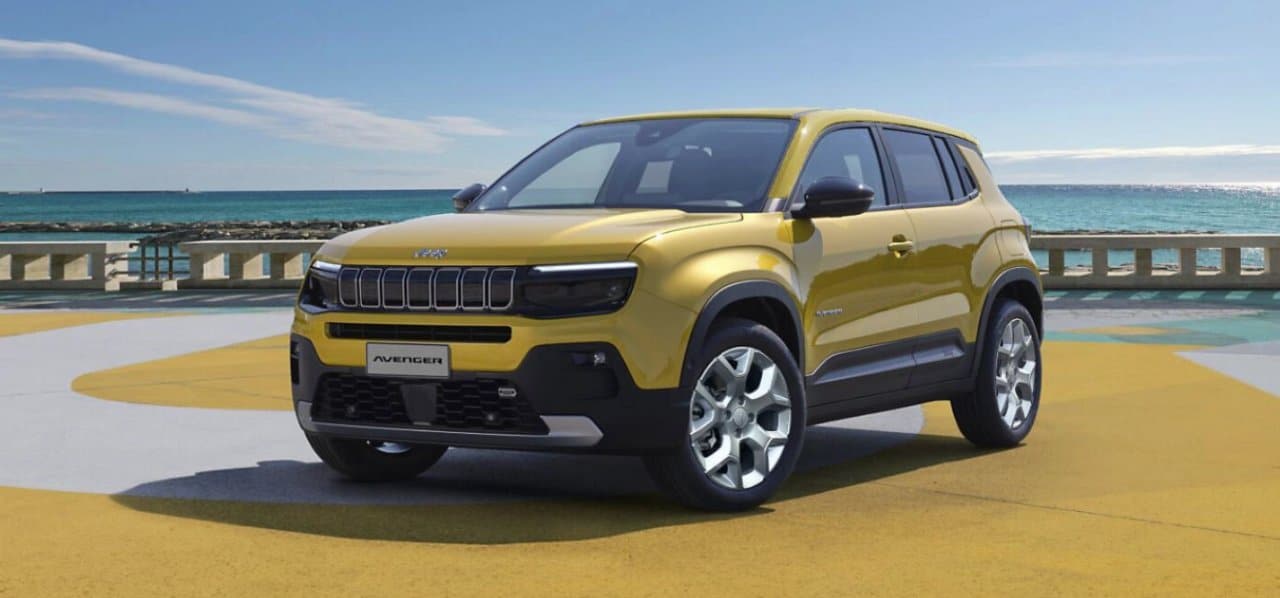
The Jeep officially announced the arrival of the third generation of the Compass, one of its most successful models globally. The SUV has been completely redesigned, adopting the modern STLA Medium platform from the Stellantis group, which allows the introduction of hybrid engines and an unprecedented 100% electric version. The vehicle’s debut took place during a test drive event at Espanha, with arrival on the global market scheduled for 2026.
This profound transformation positions the sports utility vehicle at a new level of technology, comfort and efficiency, preparing it to compete in an increasingly electrified and demanding segment. The new structural base, shared with other models from brands such as Peugeot and Citroën, represents a significant qualitative leap for the Compass, which promises to combine the traditional robustness of the Jeep with the sophistication of European engineering.

The development of the project was a collaborative effort between the América, Norte and Europa teams, seeking to create a product with global appeal. Initial production will be concentrated on the European continent to meet the strong local demand for technological and low-emission SUVs, but the launch strategy includes the main global markets, where the Compass already has a consolidated customer base.
Technical evolution and adoption of the new platform
The main technical change of the third generation of the Jeep Compass is the adoption of the STLA Medium platform. Essa modular architecture not only improves driving dynamics, it is also designed from the ground up to accommodate electrified propulsion systems. Durante tests in Barcelona, experts noted a significant improvement in acoustic comfort and stability, with the SUV presenting faster steering responses and a suspension setup that masterfully balances comfort and handling.

The use of the new base allowed the Stellantis engineering team to optimize weight distribution and increase the torsional rigidity of the chassis. The practical result is a vehicle that inspires more confidence in curves and minimizes body roll, behavior that enhances the driving experience on both urban roads and highways. The STLA Medium platform is a central pillar in the group’s decarbonization strategy, and the Compass is one of the first Jeep models to fully benefit from its capabilities.
Engine options for different profiles
Versatility is the keyword for the powertrain of the new Compass. The Jeep will offer the model in three main variants to meet different environmental legislation and consumer profiles.
The first option is the mild hybrid (MHEV), which uses a small electric motor to assist the combustion engine at specific times, aiming to reduce fuel consumption. Haverá also the plug-in hybrid version (PHEV), which combines a combustion engine with a more powerful electric motor and a larger battery, allowing it to be driven for dozens of kilometers in purely electric mode.
The big news, however, is the all-electric version (BEV), which marks the Compass’s definitive entry into the era of zero-emission mobility. The hybrid versions will initially be offered with front-wheel drive (FWD), while the 100% electric model will feature all-wheel drive (AWD), maintaining the brand’s off-road tradition.
Enlarged dimensions guarantee more comfort
The new Jeep Compass has grown in all directions, a change that is directly reflected in occupant comfort and cargo capacity. The overall length of the SUV now reaches 4,552 millimeters, the width has been expanded to 1,928 mm and the height reaches 1,675 mm. The most significant increase, however, is in the wheelbase, which has been lengthened to provide a real 20 mm gain in legroom for rear seat passengers. The Essa change makes long journeys more enjoyable for everyone on board, consolidating the Compass as a family vehicle par excellence. Além of passenger space, the trunk has also benefited, receiving an increase of 45 liters compared to the previous generation. With a total volume of 550 liters, the luggage compartment becomes one of the largest in its category, offering versatility for transporting equipment, suitcases and everyday purchases, a fundamental attribute for families and those who practice outdoor activities.
Exterior design combines tradition with contemporary features
Visually, the new Compass has evolved towards a more modern and technological aesthetic, without abandoning the elements that define the Jeep identity. The iconic seven-slot front grille was maintained as the centerpiece, but is now more stylized and features LED lighting with sharper and more expressive light signatures, giving the whole a more aggressive look.
The general lines of the body are more fluid and muscular, a design work that also contributes to improving aerodynamics and reducing wind noise at higher speeds. At the rear, the taillights have been redesigned and now extend horizontally, emphasizing the width of the vehicle and creating a striking visual identity. Novos alloy wheel designs complete the package, varying according to each version.
Refined interior with high technology and digital features
The transformation inside the new Jeep Compass is even more profound. The dashboard has been completely redesigned and is now dominated by high-resolution digital screens, both for the instrument cluster and the multimedia center.
Finishing materials have been improved, with greater use of soft-touch surfaces and satin metal details, increasing the perception of quality and sophistication of the cabin.
The central console has been redesigned to improve ergonomics, facilitating access to controls and offering new spaces for storing objects and wirelessly charging smartphones. The multimedia center is the technological heart, with wireless integration for Android Auto and Apple CarPlay, as well as remote updates (over-the-air).
The Jeep maintained a functional balance by preserving physical controls for essential functions such as air conditioning, a decision praised by usability experts. Recursos as a premium sound system and configurable ambient lighting complement the onboard experience.
Active safety and driver assistance systems
Safety was one of the pillars in the development of the new generation. The Compass arrives equipped with a complete package of driver assistance systems, which use high-resolution sensors and cameras to monitor the environment around the vehicle. Entre available features include autonomous emergency braking with pedestrian and cyclist detection, blind spot monitoring, lane keeping assistant with active correction and adaptive cruise control with stop-and-go function, which makes driving in traffic jams easier.
Market expectations and global positioning
With a base of more than 2.5 million units sold since its launch, the Compass is a strategic product for Jeep. The third generation has the mission to expand this success, competing directly with other SUVs that are also investing heavily in electrification and technology. The new model seeks a slightly more sophisticated positioning, attracting customers who value design, innovation and the brand’s heritage.
Stellantis’s strategy of using global platforms ensures that the new Compass has access to the group’s most advanced technologies, whilst remaining competitive in price and quality. The positive reception in the first tests indicates that Jeep was right to reinvent its SUV, preparing it to lead the segment in the coming years and consolidate the brand’s transition to a more sustainable and connected future.



