OpenClaw AI tool defines identity after name changes and warns of security risks
A new artificial intelligence tool that gained viral notoriety earlier this year has established its definitive identity as OpenClaw. The project, which stands out for allowing AI assistants to perform complex tasks directly on the user’s computer, went through a turbulent rebranding process to consolidate itself in the open-source technology scenario. The platform, created by developer
The journey to the final name was marked by two quick changes within a few weeks. The project, originally known as Clawdbot, was renamed to Moltbot before settling as OpenClaw. The main motivation for the changes was a potential trademark conflict with the Claude assistant, developed by AI giant Anthropic. The decision to act quickly aimed to ensure the longevity and legitimacy of the project within the developer community, avoiding legal disputes that could compromise its future.
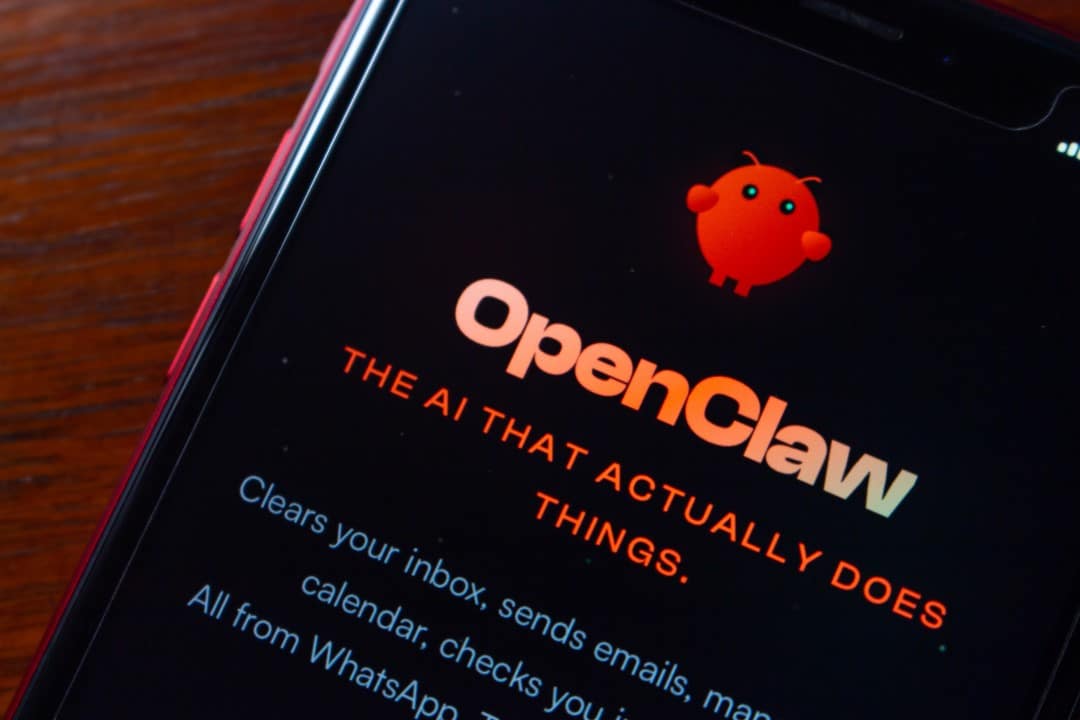
However, this agility in changing names opened security holes that were exploited by malicious agents. The rapid discontinuation of old names allowed fake accounts and fraudulent extensions to emerge, trying to impersonate the official project. The episode served as a warning to the community about the risks associated with the sudden popularity of open source software and the importance of verifying the authenticity of download and installation sources.
The trajectory of a viral project
The OpenClaw story began in November 2025 as a personal initiative by Peter Steinberger, who sought to create a more proactive and functional AI assistant. The central idea was to develop a tool capable of connecting large language models (LLMs) to practical actions in the user’s work environment, such as managing emails, organizing calendars and automating routine tasks directly from messaging applications. The initial name, Clawdbot (or Clawd), was a play on the model name Claude and the English word “claw”, symbolizing the assistant’s ability to “grab” and execute complex commands. The image of a lobster quickly became the project’s informal mascot, reinforcing this identity. Após shared a prototype on social media and developer forums, the community response was immediate and massive. The interest generated a wave of collaborations that drove significant improvements, new integrations and exponential growth that surprised even its creator, transforming a parallel project into an open-source ecosystem phenomenon.
The reasons behind identity changes
The first name change officially occurred on January 27th, when Anthropic, the company behind the AI model Claude, identified a possible infringement of its trademark. Para to avoid any legal conflict, Steinberger decided to rename the project from Clawdbot to Moltbot.
The choice of Moltbot was a creative solution to maintain the original animal theme. The term “molt”, which in English refers to the molting of the exoskeleton of crustaceans such as lobsters, was seen as a metaphor for the transition and growth phase of the project. The community actively participated in the process, suggesting and validating the new provisional identity.
Just two days later, on January 29, a new and definitive change was announced: the project would be called OpenClaw. The decision was the result of further research into the availability of domains, social media usernames and brand registrations, ensuring that the new identity was unique and sustainable in the long term.
The name OpenClaw was chosen because it combines two essential elements of the project. The “Open” prefix reinforces its open source and collaborative nature, while “Claw” preserves the heritage and original symbolism of the “claw” that performs tasks while maintaining a connection to its initial identity and lobster mascot.
OpenClaw features and differences
OpenClaw’s biggest differentiator is its architecture focused on privacy and user control. Diferente of most AI assistants that operate in the cloud, the platform runs entirely on the user’s local device, be it a personal computer or a private server. Isso means that no sensitive data such as emails, files or messages are sent to external servers, offering a level of security and confidentiality that commercial solutions cannot guarantee.
The assistant is capable of connecting to a variety of popular messaging apps such as WhatsApp, Telegram, Discord and Slack, serving as a bridge between the user and their digital tools. From these applications, it is possible to send commands so that OpenClaw can perform real actions, such as organizing the email inbox, scheduling meetings on the calendar, interacting with home automation systems and even browsing the internet in a controlled way to search for information.



Its flexibility allows integration with multiple language model providers, including paid options from OpenAI and Anthropic, as well as free and open source alternatives. Outras notable features include secure local file access, the ability to operate continuously 24/7, and a persistent memory system based on plain text files, which allows the user to edit and control the wizard context manually.
Security vulnerabilities and community alerts
The rapid succession of names, although necessary, created an environment ripe for security threats. Imediatamente After each rebrand, old usernames on GitHub and other platforms were registered by third parties with malicious intent. Essas fake accounts started distributing modified versions of the software, deceiving inattentive users who were searching for the old names. The danger became even more concrete with the emergence of fraudulent extensions for popular code editors, such as Visual Studio Code, that promised official integrations with OpenClaw.
These malicious extensions, once installed, contained remote access software (RATs), which gave attackers full control over the developer’s machine. Diante of the seriousness of the situation, Peter Steinberger issued multiple public alerts, directing the community to download the software exclusively from its official and verified repository. In parallel, the development team, with the help of community contributions, intensified efforts to strengthen source code security, implementing fixes for known vulnerabilities, such as command injection and directory traversal, to protect users against attacks.
Open-source community expansion and engagement
OpenClaw’s growth has been meteoric. In just a few weeks, the project surpassed the 100,000 star mark on GitHub, a metric that indicates high popularity among developers, while the official website registered millions of hits. Esse Massive engagement translated into a vibrant and active community, with dozens of volunteers contributing code, translations, and bug fixes.
Recent updates reflect this collaborative strength, with the addition of support for popular messaging clients on Ásia, such as Feishu and Lark, and integration with Chinese AI model providers. Melhorias continued stability, memory management and simplification of the authentication process were also implemented, making the tool more robust and accessible.
The integration ecosystem and user privacy
The ability to connect to multiple communication channels simultaneously is one of OpenClaw’s strengths. A user can send a command via Telegram and receive a completion notification on Slack, creating a unified workflow tailored to their preferences. Native support for a wide range of platforms, including emerging options, ensures the assistant remains relevant and versatile, serving everyone from individual users to large work teams that rely on different communication tools to collaborate.
Technical challenges and the learning curve
Despite its popularity, adopting OpenClaw still presents challenges, especially for users without technical knowledge. The initial installation and configuration process requires familiarity with the command line, which can present a significant barrier to the general public. The development team is aware of this limitation and is exploring ways to simplify the onboarding experience.
Another point of attention is the consumption of hardware resources. Running language models locally can be intensive, requiring a computer with adequate processing power and memory to ensure smooth performance. Além Furthermore, like any project undergoing accelerated development, occasional errors in long-running tasks may still occur, but are promptly reported and corrected by the active community through public channels.
Veja Tambem em News (EN)

Research reveals that parents are unaware of how their children use artificial intelligence

Samsung releases new system update with new features for Galaxy Watch 4 users

Digital retail reduces the value of the Galaxy S25 5G smartphone with bank bonuses and device exchange
Amazon’s wireless CarPlay adapter has a 50% discount and high approval ratings from drivers

Zach Cregger’s new Resident Evil ignores games and focuses on an unprecedented story with new characters

Rumor suggests that Nintendo is preparing a special edition of the Switch 2 with a remake of Ocarina of Time

Apple accelerates production of the iPhone 17e and develops new Air model with dual camera system

Epic Games platform releases twelve high-budget games at no permanent cost for PC users

PlayStation 5 Pro price drop accelerates digital retail sales and eliminates global stocks

New Galaxy Watch 9 firmware appears on server and confirms progress in software development

Apple’s commemorative project tests cell phone with 1.1 millimeter edge and curved screen for 2027