
Samsung intensifies testing of One UI 8.5 on Galaxy Tab S10 and S9 tablets, including FE versions


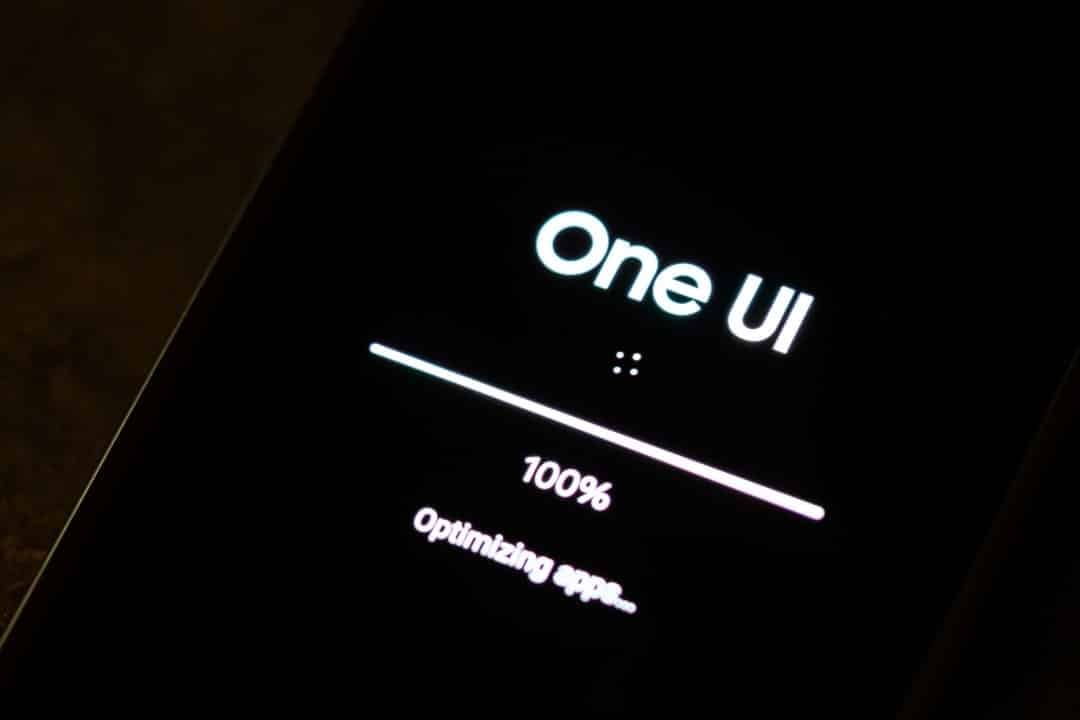
Samsung has taken a significant step forward in the development of its next major software update, One UI 8.5. Novas internal test builds have been identified on the company’s servers, confirming that the interface, based on the upcoming Android 16, is being actively prepared for a wide range of tablets in the Galaxy line. The tests cover not only the latest models, such as the upcoming Galaxy Tab S10 series, but also the acclaimed Galaxy Tab S9 range and its Fan Edition (FE) variants, signaling an accelerated development timeline. Essa internal movement takes place months before the expected official launch, indicating the brand’s commitment to ensuring stability and optimization for its large-screen devices.
Unlike what happens with the Galaxy S line of smartphones, the brand’s tablets generally do not participate in the public beta program. Isso means that owners of these devices will receive the stable version of One UI 8.5 directly, without an open-to-consumer testing phase. Identifying these internal builds is therefore the main indication that development is progressing as planned, with Samsung engineers performing compatibility and performance checks in a controlled environment. The update is expected to bring important refinements to the user experience, focusing on productivity and integration with the Galaxy ecosystem.
Models included in the development phase
Expanded internal testing of One UI 8.5 confirms that Samsung is working to ensure broad hardware compatibility from the start. Firmware builds have been spotted for multiple devices, covering both the premium segment and more cost-effective options. Entre models confirmed in this initial testing phase are the entire Galaxy Tab S9 family, including the standard versions, Plus, Ultra and the S9 FE and S9 FE+ variants. Além In addition, the future Galaxy Tab S10 series is also on the list, which demonstrates advanced planning for the launches of the next cycle.
The inclusion of the Fan Edition (FE) models is particularly notable as it reinforces Samsung’s strategy of offering robust and long-lasting software support beyond its high-end devices. Usuários who opt for the FE versions seek a balance between performance and price, and the guarantee that they will receive the latest operating system update within a similar timeframe to more expensive models adds significant value to these products. Essa unified software approach helps consolidate customer loyalty and strengthen perception of quality across the brand portfolio.
New features expected in the tablet update
One UI 8.5 promises to significantly improve the user experience on large screens, with a clear focus on multitasking and productivity. Espera Features such as multi-window mode and split-screen functionality are expected to receive usability improvements, making the transition between applications more fluid and intuitive. Samsung has continually invested in optimizations for DeX mode, and this update could bring an interface even closer to that of a desktop, with better window management and improved support for peripherals such as keyboards and mice.
Another area of great expectation is the evolution of Galaxy AI. The artificial intelligence features, which successfully debuted in the Galaxy S24 line, are expected to be expanded and adapted to the tablet format. Ferramentas Generative AI text editing, Samsung Notes note summarization, and audio transcription can become even more powerful on a larger screen, benefiting students and professionals alike. Além Furthermore, integration with S Pen can gain new features, such as improved gestures and greater precision, leveraging the power of neural processing for creative and annotation tasks.
Testing strategy and release schedule
The process of developing a new version of the One UI follows a well-defined roadmap. The current phase, internal testing, is the most restricted and crucial, where Samsung engineering teams work to ensure that the base software works correctly with the different hardware components of each device. The goal is to eliminate critical bugs and optimize power consumption and overall performance before any external release. Esta step is essential to avoid problems that could affect the user experience in the final release.
After internal testing is complete, Samsung traditionally launches a public beta program for its flagship smartphone line, the Galaxy S series. Contudo tablets have historically been left out of this phase. The stable version of One UI 8.5 is expected to be officially introduced alongside the Galaxy S26 series in early 2026. From that point on, the update will begin rolling out in waves, first to the latest smartphones and then to eligible tablets. The Tab S10 and S9 series models should be among the first to receive the update, with the distribution extending over the following months to other compatible devices.
Ecosystem Integration Enhancements
One of the pillars of the Samsung strategy is the creation of an ecosystem of seamlessly integrated devices, and the One UI 8.5 will play a central role in this goal. The update should deepen the synergy between the brand’s tablets, smartphones, smartwatches and headphones. Recursos such as “Continue apps on other devices”, which allows you to start a task on one device and finish it on another without interruptions, should be improved. The Quick Share functionality, for fast file transfer, may also receive speed and stability improvements.
Connectivity between devices will also be a focus. Esperam improvements in the automatic connection switching of Galaxy Buds headphones between a smartphone and a tablet, making the experience more transparent for the user. Outra functionality that can be expanded is “Múltiplo Control”, which allows you to use the keyboard and mouse of an Galaxy Book to control the tablet and smartphone simultaneously. Esses refinements aim to eliminate friction in using multiple devices, creating a unified and cohesive experience that encourages user retention within the Galaxy ecosystem.



