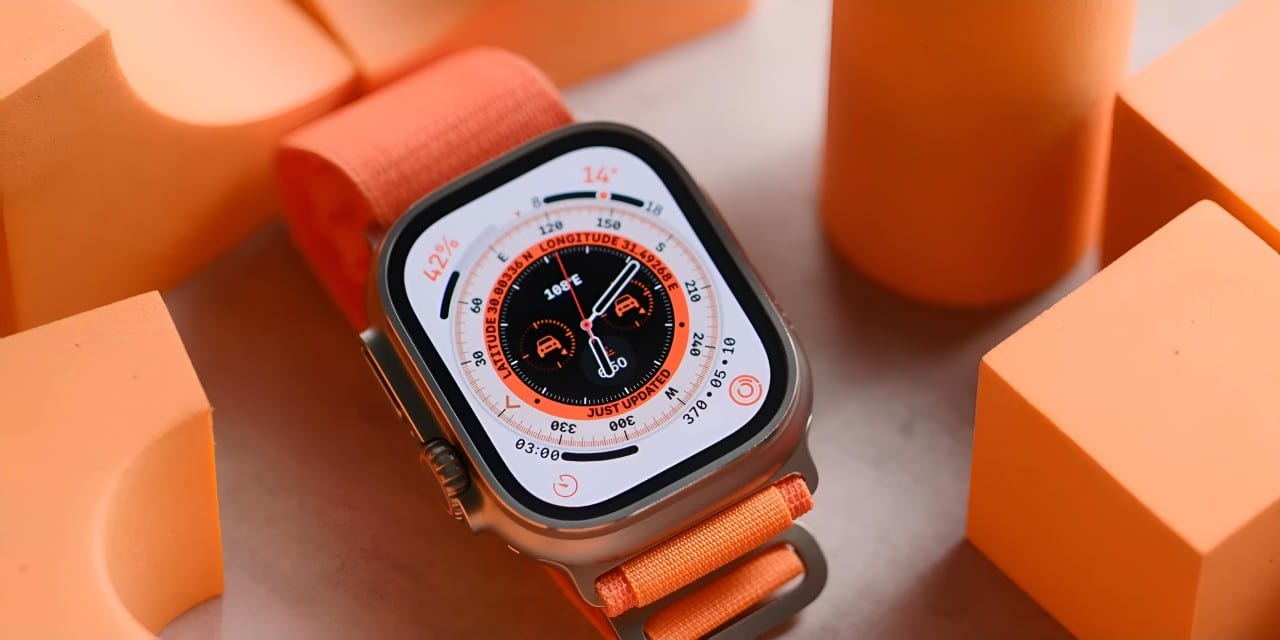
The wearable technology market presents a growing number of alternatives to the Apple Watch for users of the iOS ecosystem. Consumidores who are looking for essential health monitoring and connectivity functionalities, but with a lower investment, can find robust and efficient options in brands such as Huawei, Xiaomi and Amazfit. Esses devices stand out for offering significantly longer battery life and high-quality screens, with prices ranging from R$279 to R$1,636.
The main attractiveness of these smartwatches lies in the combination of cost-benefit with a complete set of features. Eles synchronize notifications, track dozens of physical activities, measure vital indicators such as heart rate and blood oxygenation, and all without requiring the high investment of official Apple models. Integration with the iPhone is carried out stably through dedicated applications, available from App Store.

Focused on meeting everyday needs, such as tracking workouts and analyzing sleep quality, these smart watches and bracelets also offer water resistance and modern designs. The selection ranges from entry-level models, ideal for those just starting out, to more advanced devices with integrated GPS and communication features, ensuring a remarkable balance between price and performance.
Entry models focused on cost-benefit
For those looking for an accessible gateway to the world of wearables, the Huawei Band 10 presents itself as an excellent option. With a lightweight body of just 15 grams and aluminum alloy casing, it is comfortable for continuous use. Sua 1.47-inch AMOLED screen offers vibrant colors and good touch response, making it easy to navigate through its functions. The device stands out for its precise sleep monitoring, identifying different phases of rest to provide detailed reports.
Another strong competitor in this segment is the Xiaomi Smart Band 10, sold from R$ 286. Focada in sports, it includes specific modes for running with pace guidance and has 5 ATM water resistance, making it suitable for swimming. The 233 mAh battery promises autonomy of up to 21 days in typical use.
Intermediate options with integrated GPS
Advancing to the intermediate category, the Amazfit Bip 6 elevates the experience by incorporating GPS with offline map support, a valuable feature for those who practice outdoor activities without their cell phone. The 1.97-inch AMOLED screen has a brightness of 2,000 nits and a fingerprint protection layer. The 340 mAh battery ensures up to 14 days of normal use, even with location tracking activated periodically.
The device is capable of recording more than 140 sports, and its precision in geographic positioning is one of its strong points. The ability to plan and follow routes right from your wrist makes it an ideal companion for runners and cyclists exploring new routes. Seu starting price of R$549 positions it as a competitive option.
In the same range, the Redmi Watch 5 stands out for its large 2.07-inch screen with a refresh rate of 60 Hz, which provides more fluid navigation. The watch also has GPS that uses multiple satellite systems for faster and more accurate location. An important differentiator is the ability to make and receive calls via Bluetooth, thanks to a dual microphone with noise cancellation that improves the clarity of conversations.
Advanced features for health and sports performance
For the most demanding and performance-focused users, Huawei Watch Fit 4 offers a set of advanced tools. With a high-precision independent GPS, it is ideal for detailed route tracking for a variety of activities, including water sports. The 1.82-inch AMOLED screen reaches 2,000 nits, making it easy to read data during workouts.
Health monitoring is comprehensive, covering heart rate, blood oxygenation (SpO2), and detailed sleep analysis. The battery lasts up to seven days in typical use, and a fast charging feature allows you to get a full day of battery life with just ten minutes of plugging it in. Expert reviews frequently praise the accuracy of its sports sensors.
The device has high dust and water resistance certifications, ensuring durability in adverse conditions. The modern, rectangular design is elegant and functional, adapting well to both the training environment and casual use. Prices for this model start at R$1,099, reflecting its more premium positioning.
At the top of the list in terms of autonomy and robustness is the Huawei Watch GT 6. The Este model is designed to last, with a battery that can last up to 21 days of moderate use. Suas screens range between 1.32 and 1.47 inches and reach an impressive brightness of 3,000 nits. The robust construction combines 5 ATM water resistance with IP69 certification, meaning it withstands high-pressure jets and elevated temperatures, making it ideal for challenging environments.
The importance of the screen and autonomy in daily use
Battery autonomy is one of the main factors that lead consumers to opt for these alternatives. Enquanto Many premium smartwatches require daily or two-day recharges, models like the Xiaomi Smart Band 10 and the Huawei Watch GT 6 offer weeks of operation on a single charge. Essa longevity eliminates the anxiety of running out of battery and allows for continuous monitoring, especially overnight for sleep analysis, without interruptions. The convenience of not having to constantly carry the device transforms the user experience, making it more practical and less intrusive in the user’s routine.
At the same time, the quality of the screen is crucial for usability. The predominance of AMOLED panels in all models listed, from the most basic to the most advanced, guarantees vivid colors, deep blacks and excellent contrast. The high level of brightness, measured in nits, is particularly important for those who play outdoor sports. A screen that remains readable in direct sunlight allows the user to check their workout metrics, read notifications or check the time effortlessly, significantly improving the device’s functionality in any lighting condition.
How compatibility with the iOS ecosystem works
The integration of these smartwatches with the iPhone, although not native like that of the Apple Watch, is surprisingly fluid and complete, being managed by specific applications from each manufacturer, such as the Huawei Health, the Zepp (for Amazfit) or the Mi Fitness (for Xiaomi and Redmi). Disponíveis for free at App Store, these applications act as a control center and a data hub. Após the initial pairing via Bluetooth, the application starts to automatically synchronize all the information collected by the watch, such as steps, distance covered, calories burned, heart rate, sleep patterns and detailed records of physical activities. Users can view graphs, analyze trends over time, and set health and wellness goals. Além of data synchronization, the application allows you to manage watch settings, such as customizing dials, organizing widgets and, fundamentally, selecting which iPhone applications can send notifications to your wrist. Isso ensures that the user receives message, call, email and social media alerts directly on the smartwatch, maintaining the essential connectivity of the iOS ecosystem.
Factors to consider before purchasing
The final decision on which smartwatch to purchase should be based on a careful analysis of individual needs and available budget. It’s important for consumers to evaluate which features are a priority: for some, long battery life will be the deciding factor, while for others, GPS accuracy or the ability to answer calls on their wrist may be more important. Considerar the type of physical activity practiced and the importance of detailed health monitoring will help to filter the options and make an informed choice that fully meets everyday expectations.
