
Toyota RAV4 hybrid is renewed in Brazil with a price of R$ 349 thousand to intensify the competition in the sector

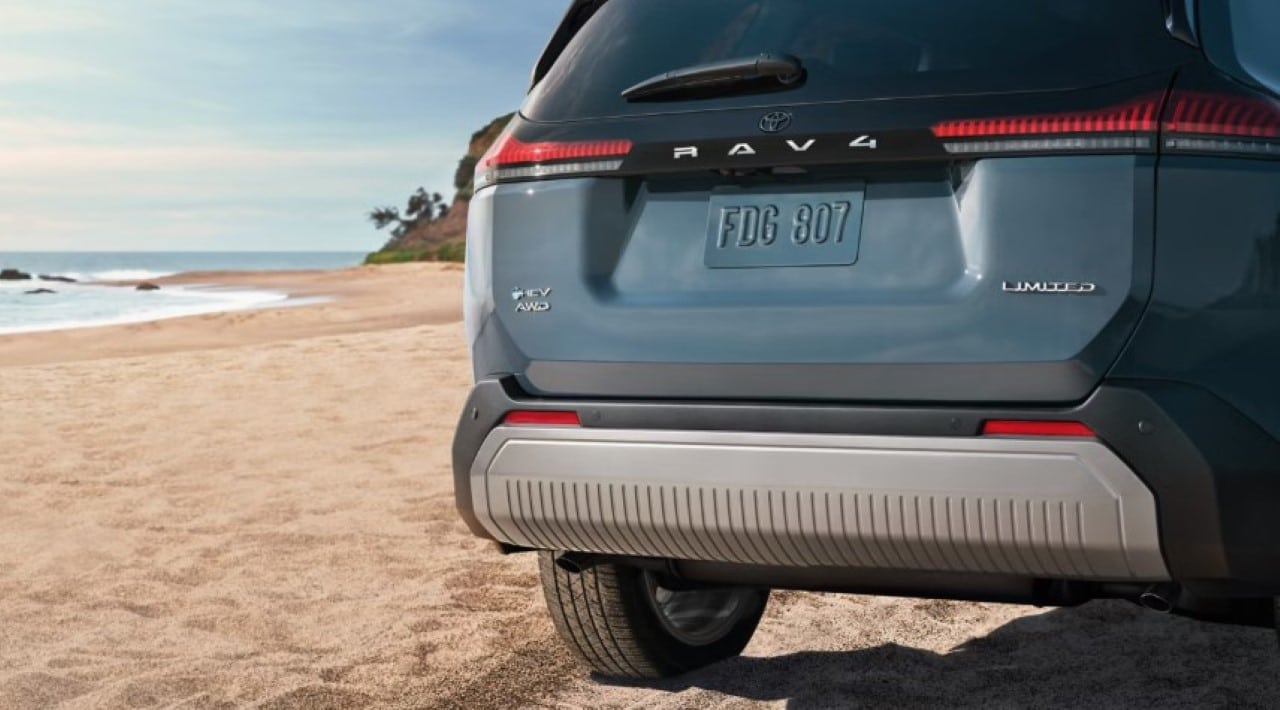
The Brazilian market for medium SUVs receives an important update with the arrival of the new Toyota RAV4 line. The model, which is a global reference in electrification, arrives in the country with subtle visual touches, an improved technological package and the renowned hybrid powertrain, seeking to reinforce its position in a segment increasingly contested by new competitors, especially from Chinese brands.
Toyota’s strategy for the RAV4 in the Brasil focuses on offering a niche product, focused on consumers who seek the efficiency and reliability of the brand’s hybrid technology. The vehicle continues to be imported and arrives in top-of-the-line versions, with a price positioning that puts it directly in the fight with other electrified models of similar size, but with the advantage of the Japanese manufacturer’s consolidated image.
With a suggested public price starting at R$349,990, the SUV presents itself as a premium alternative. The changes, although discreet, aim to keep the model updated in the face of rapid developments in the automotive sector, ensuring that it continues to be a relevant option for families and consumers who prioritize low fuel consumption and a complete safety and comfort package.
Hybrid mechanical assembly details
The heart of the Toyota RAV4 remains its sophisticated Hybrid Dynamic Force system. Ele combines a 2.5-liter combustion engine, with four cylinders and Atkinson cycle, which alone delivers 178 horsepower and 22.5 kgfm of torque. Este engine is known for its high thermal efficiency, optimized to work together with the electrical part of the system.
The combustion engine is assisted by three electric motors. Dois of them act on the front axle, while the third is positioned exclusively on the rear axle, creating an intelligent, on-demand all-wheel drive system known as AWD-i (All-Wheel Drive intelligent). Essa configuration eliminates the need for a physical cardan to connect the axles, optimizing internal space and reducing weight.
When all engines work together, the combined system power reaches 222 horsepower. Essa power is managed by an automatic transmission of the type
The AWD-i system distributes torque between the front and rear wheels automatically and predictively. Under normal grip conditions, traction is mostly front-wheel drive to save energy. However, when detecting the possibility of loss of traction in curves or on slippery surfaces, the rear electric motor is activated instantly to ensure greater stability and driving safety.
SUV consumption and performance
One of the main attractions of the hybrid Toyota RAV4 lies in its energy efficiency, an increasingly decisive factor for the Brazilian consumer. Graças the synergy between the combustion engine and electric motors, the mid-size SUV presents notable consumption figures for its category. According to data from INMETRO’s Programa Brasileiro of Etiquetagem Veicular (PBEV), the model records averages of 17.1 km/l in urban cycle and 15.8 km/l on highways. The excellence in urban consumption is due to the fact that, at low speeds and in heavy traffic, the system prioritizes the use of electric motors, saving fuel. Performance is also a strong point, with the instant torque of the electric motors ensuring agility when starting off and regaining speed. The vehicle is capable of accelerating from 0 to 100 km/h in just 8.1 seconds, an impressive time for a family SUV. The driver can also choose between four driving modes (Normal, Eco,
Technology and safety on board
Inside, the new RAV4 line enhances the user experience with a more robust technology package. The highlight is the multimedia center with a high-resolution screen, which now offers wireless connectivity for Android Auto and Apple CarPlay, allowing application mirroring in a more practical and secure way. The instrument panel is also fully digital, with a configurable screen that displays vital vehicle information, including the hybrid system’s power flow.
Safety is treated as top priority with the SUV being equipped with the latest version of the Toyota Safety Sense (TSS) package. Este system encompasses a series of driver assistance technologies, such as the Sistema of Faixa with assisted driving. Além In addition, the RAV4 has seven airbags, stability and traction control, and hill start assistant.
Renewed design and dimensions
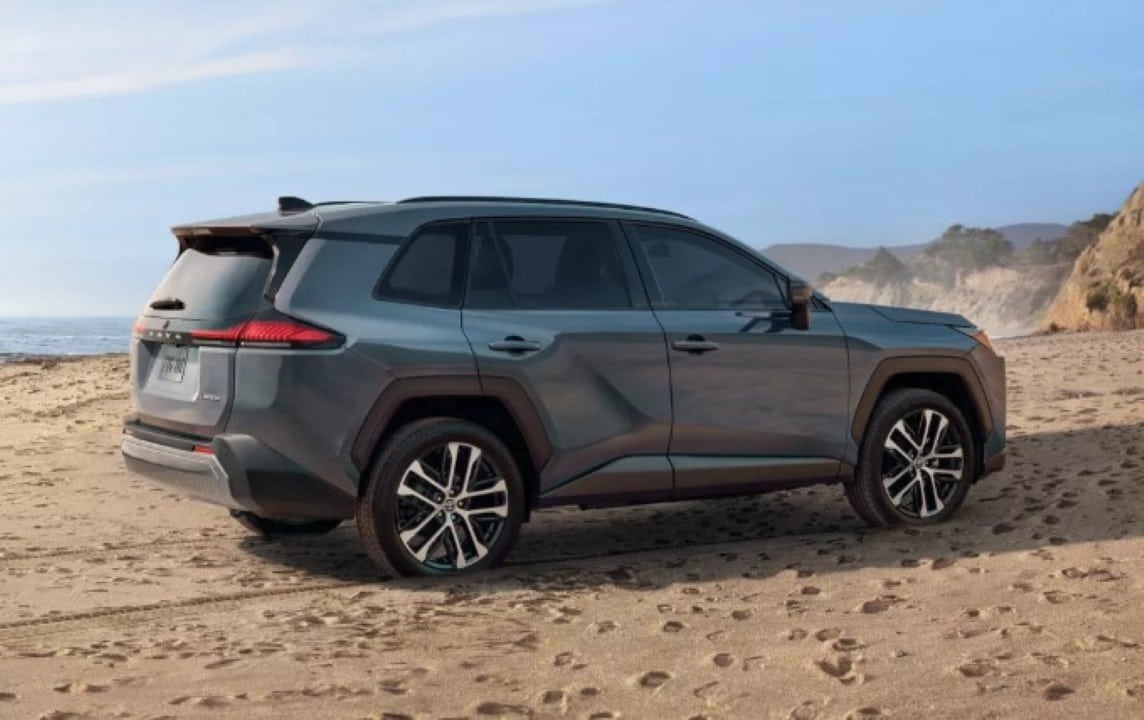
Visually, the Toyota RAV4 maintains its robust and modern identity, but incorporates specific updates. The front headlights have a new internal LED design, giving them a more technological and sophisticated look. The light alloy wheels have also been redesigned, varying depending on the version, and contribute to the vehicle’s dynamic appearance.
The generous dimensions of the SUV are maintained, measuring 4.60 meters in length and with a wheelbase of 2.69 meters. Essas measures guarantee excellent internal space for five occupants, with comfort for legs and shoulders, both in the front and rear seats, which have reclining backrests.
The trunk is another highlight, with a capacity of 580 liters, one of the largest in the category. There is enough space to accommodate the whole family’s luggage on long trips, and the compartment’s wide opening makes it easy to load and unload bulky objects.
The competitive landscape of hybrid SUVs
The Toyota RAV4 faces a much fiercer competitive environment than in previous years. The advancement of brands such as GWM and BYD brought hybrid SUV options to the Brazilian market with strong technological appeal and aggressive prices, such as the GWM Haval H6 and the BYD Song Plus.
While the RAV4 relies on conventional hybrid technology (HEV), which does not require external recharging, its main Chinese competitors invest in plug-in hybrid systems (PHEV), which offer greater autonomy in electric mode. Essa difference in proposal attracts different consumer profiles, and Toyota bets on the practicality and reliability of its already consolidated system.
Versions and price positioning
Available in versions such as the SX Connect Hybrid and the XSE Connect Hybrid, the RAV4 clearly positions itself as a premium product. Seu starting price of R$349,990 reflects not only the onboard technology and construction quality, but also import costs. Toyota targets a customer who is loyal to the brand, who values the durability, low maintenance costs and excellent resale value associated with its vehicles.
Toyota strategy for the Brazilian market
Toyota’s strategy with the RAV4 is aligned with its global electrification plan, which in the Brasil has been led by the success of the Corolla and Corolla Cross models, both with hybrid flex technology and local production. The brand uses the RAV4 as a showcase for its most advanced technological capabilities in the SUV segment.
Keeping the RAV4 as an imported model allows Toyota to offer a more sophisticated product without the need for large investments in a local production line for a lower volume vehicle. Dessa thus complements the brand’s portfolio, occupying a step above Corolla Cross and reinforcing the image of Toyota as a leader in hybrid technology in the country.



