
Volkswagen’s strategy with Polo and T-Cross intensifies the dispute for market leadership with Fiat

The competition for leadership in the Brazilian automotive market reaches a new level of intensity, with Volkswagen consolidating a strategic offensive to challenge the hegemony of Fiat. The German automaker has recorded significant growth in its market share, driven mainly by the sales success of key models in high-volume segments.
This rise is the result of planning focused on national consumer preferences, combining technology, design and a perception of value that has resonated positively among buyers. Volkswagen’s strategy is based on a renewed portfolio and assertive marketing campaigns that highlight the differentiators of its vehicles.

While Fiat defends its position with popular models and a strong dealer network, the competitor’s approach redefines the competitive landscape. The fierce dispute between the two giants promises to shape trends, prices and innovations offered to drivers in the coming months, signaling one of the most dynamic periods for the sector.
The pillars of the advancement of Volkswagen
The Volkswagen Polo emerged as one of the main drivers of the brand’s growth, consolidating itself as the best-selling passenger car in the country. The hatch’s success is attributed to its combination of efficient engines, a modern platform that guarantees safety and drivability, and a range of versions that cater to consumers looking for an entry-level car to those who want more technology and performance, as in the GTS version. The competitive pricing strategy and the offering of items such as digital panels and connectivity in their most sought-after versions were crucial to attracting a significant volume of customers.
At the same time, the T-Cross maintains a robust performance in the compact SUV segment, one of the hottest and most competitive on the market. The model stands out for its internal space, versatility and the offering of a turbo engine across the entire line, features valued by the family audience. The recent visual and equipment update reinforced its appeal, keeping it consistently among the most sold SUVs and solidifying its position as a pillar of profitability and volume for the German automaker in the national territory.
Fiat’s response and market dynamics
Faced with the advancement of Volkswagen, Fiat does not remain inert and continues to strengthen its leadership with a multifaceted strategy. The Strada pickup remains the best-selling vehicle of the Brasil in general, a market phenomenon that guarantees the Italian brand a significant advantage in total volume.
Furthermore, the automaker is betting on the diversification of its SUV portfolio, with models such as the Pulse and the Fastback, which feature bold design and distinct proposals to attract different consumer profiles. Essa tactic aims to contain the growth of competitors like the T-Cross.
This intense rivalry between the two brands directly benefits the consumer, who now has access to a wider range of options, better equipped vehicles and more attractive commercial conditions, such as reduced financing rates and bonus programs for used vehicle appreciation.
Recent competition numbers
The most recent registration data from Federação Nacional, Distribuição, Veículos Automotores (Fenabrave) clearly illustrates the scenario of the dispute. Fiat maintains its leadership year-to-date, with a market share exceeding 20%, supported mainly by the strength of Strada.
Volkswagen, in turn, occupies second position, but shows consistent growth, reducing the distance to the leader. The German brand frequently outperforms Fiat in the specific passenger car segment, excluding light commercial vehicles.
The Polo frequently appears at the top of the monthly passenger car rankings, a feat that highlights the assertiveness of the Volkswagen strategy for this model. Essa performance is fundamental for the brand in its ambition to reach first place overall.
On the Fiat side, in addition to the Strada, models such as the Mobi and the
The consolidated success of the T-Cross in the SUV segment
The T-Cross has established itself as a benchmark in the competitive compact SUV segment. Seu continued success is a key factor for Volkswagen, as this is one of the most profitable and growing niches in the Brazilian market.
The model attracts consumers due to its safe platform, good space for passengers and luggage and pleasant handling. The exclusive offer of turbo engines in the category is also an important differentiator compared to some of its main rivals.
Future projects and the focus on renovation
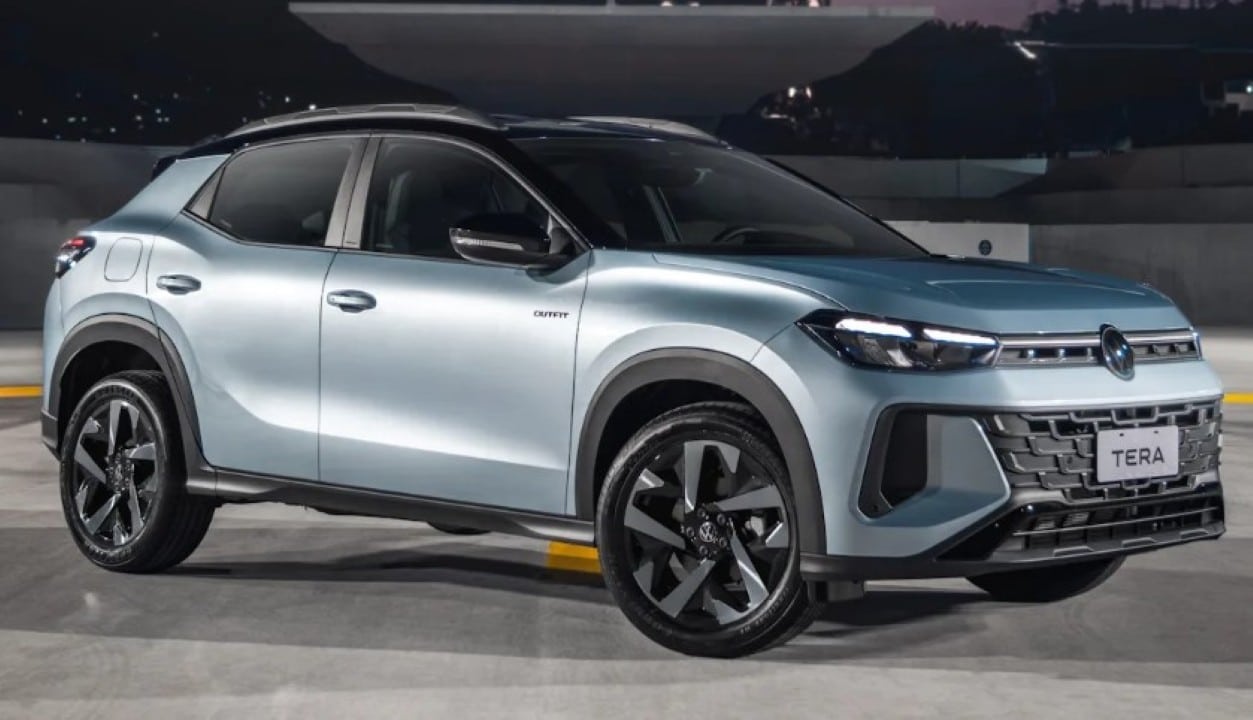
To sustain its growth and intensify pressure on leadership, Volkswagen is preparing a new wave of investments and launches for the Brazilian market. The automaker’s strategy includes introducing hybridization technologies into its lineup, starting with higher-volume models to popularize electrification and meet new emissions standards. Além In addition, the company is working on the development of a new entry-level SUV, known internally as the A0 SUV project, which will be positioned below the Nivus and will act as a spiritual successor to the Gol, targeting a more accessible price segment with great sales potential. The future Esse model is seen as a strategic piece to further expand the brand’s customer base and compete for leadership in a market segment where the Fiat has a strong presence with models such as the Pulse.
Benefits for the end consumer
The fierce battle between Volkswagen and Fiat translates into direct advantages for those looking to buy a new car. Competition forces both automakers to improve their products, offering more technology, safety and energy efficiency, often without a proportional transfer in prices.



