
Xiaomi accelerates and is already testing HyperOS 3.1 with Android 16 on 9 cell phones, including new models


Xiaomi has taken a significant step forward in its software strategy by beginning the internal testing phase of HyperOS 3.1, the next major update to its interface that will be based on the upcoming Android 16. The process began with a select group of nine high-end smartphones, spanning both the Xiaomi flagship lineup and the Poco sub-brand. The measure demonstrates the company’s agility in aligning with the latest innovations in the Google operating system.
What draws the most attention at this initial stage is the inclusion of devices that have not yet been officially announced, such as the models from the Xiaomi 15, Xiaomi 17 and Poco F8 series. Essa approach indicates that the manufacturer is working with a long-term plan, developing and optimizing the software in parallel with the hardware that will hit the market in the coming years, aiming to ensure a more refined and stable integration from launch.
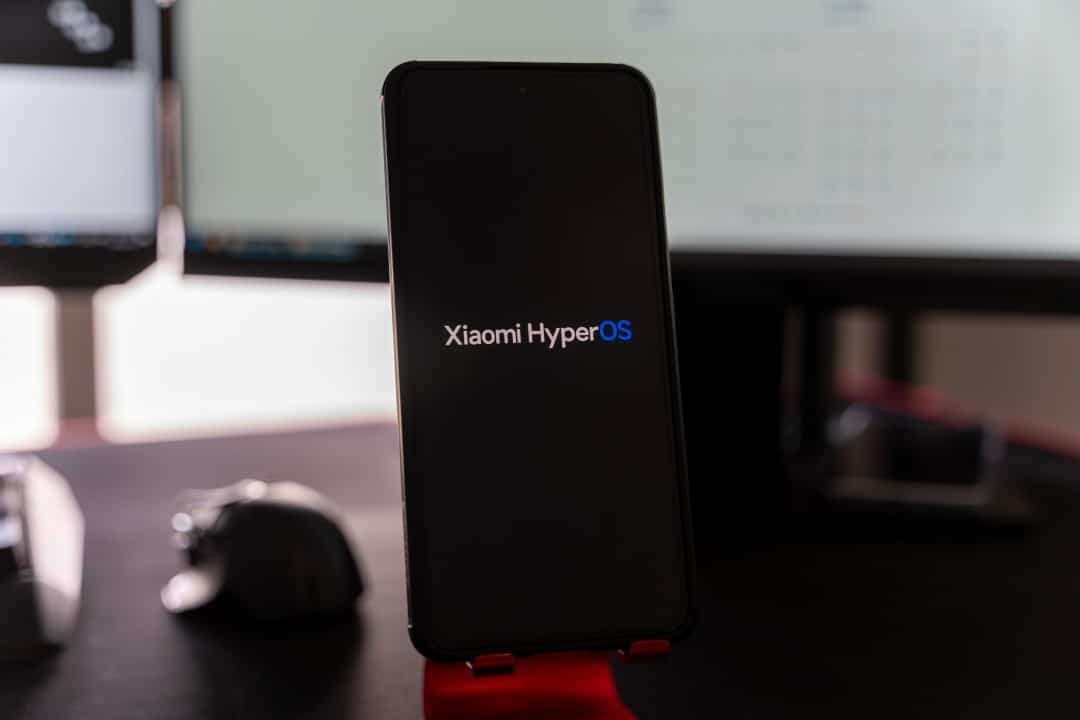
This anticipation places Xiaomi in a prominent position within the Android ecosystem, signaling to its users an ongoing commitment to rapid updates and the implementation of cutting-edge features. The choice to focus on high-end devices for the first tests allows the company to explore the maximum potential of the new system on high-performance hardware, before adapting it to broader segments of its portfolio.
Models selected for the initial testing phase
The list of devices that will receive the first test build of HyperOS 3.1 with Android 16 is made up of some of the brand’s most powerful devices and future releases. Do side of the Xiaomi, the models included are: Xiaomi 14, Xiaomi 14 Xiaomi Pad Mini.
Under the performance-focused sub-brand Poco, the smartphones selected for this pioneering phase are the Poco F7 Pro, Poco F7 Ultra and the Poco F8 Ultra. The presence of the F series reinforces the image of Poco as a brand that offers quick access to the latest technologies, an important differentiator for its target audience, which values performance and constant updates.
The inclusion of models still under development, such as the Xiaomi 17 and the Poco F8 Ultra, is a strategic move. Permite software and hardware engineering teams to collaborate more closely, optimizing the system to the exact specifications of future devices. Isso could result in better power management, higher graphics performance, and a more cohesive user experience when these products are eventually released.
The main news expected in Android 16
Android 16, which serves as the basis for this new version of HyperOS, promises to bring significant advances, with a strong focus on artificial intelligence and privacy. Espera Google is expected to further integrate generative AI capabilities directly into the operating system, offering smarter, more proactive functionality such as more contextual assistants, real-time content summarization, and enhanced image and video editing capabilities. Além Additionally, security must be strengthened with new permissions control panels, giving users even greater power over how applications access their data. Outra area of continuous improvement is the optimization of battery consumption, with the Android 16 possibly introducing more efficient mechanisms to manage background processes, extending the autonomy of devices. Connectivity should also receive attention, with improved support for satellite communication and new APIs that will facilitate interaction between different types of devices, from wearables to automotive systems.
What changes with HyperOS 3.1 from Xiaomi
HyperOS 3.1 will incorporate the features of Android 16 and add the layer of customization and features exclusive to Xiaomi. The core philosophy of HyperOS is to create a unified ecosystem under the concept of “Human x Car x Home”, and this new version should deepen this integration.
This means a more fluid and intelligent interconnection between the smartphone and the brand’s other products, such as smart TVs, watches, tablets, smart home devices and even Xiaomi’s electric vehicles. File exchange, screen mirroring and device control should become more intuitive.
In terms of performance, the update will bring optimizations in memory and processing management, seeking to offer a faster and more responsive user experience. Xiaomi has historically focused on smooth animations and snappy transitions, and HyperOS 3.1 should continue that tradition.
Visually, users can expect new themes, lock screen customization options, redesigned icons, and improvements to the overall interface. The Xiaomi also tends to add its own AI features, such as smarter camera assistants and productivity tools that complement the new features of the Android.
Connectivity and ecosystem improvements
One of the pillars of HyperOS 3.1 will be improving connectivity within and outside the Xiaomi ecosystem. The company is investing to make the experience of using multiple devices transparent. Isso includes, for example, the ability to start a task on a tablet and continue it instantly on your smartphone, or answer a cell phone call directly on a branded notebook without any complex configuration.
The update also aims to improve compatibility with third-party accessories. Há reports that support for high-quality Bluetooth audio codecs will be expanded, ensuring a better listening experience with headphones from a variety of brands, including competitors like the Apple AirPods. Connection stability and ease of pairing will be important focuses, simplifying the lives of users who have a diverse ecosystem of gadgets.
Launch forecast and phases of the pilot program
Starting internal testing is just the first step. Tradicionalmente, Xiaomi releases the first versions to a closed group of testers through the Mi Pilot program, initially at China. Feedback collected at this stage is crucial for fixing bugs and refining system stability before wider distribution.
After the pilot phase, the expectation is that a public beta version will be made available for the selected models. The stable version of HyperOS 3.1 for this first group of nine devices should begin to be released between January and early February 2026, with a schedule for expansion to other eligible devices throughout the same year.
Impact on users of the Poco brand
The inclusion of Poco F-series models, such as the F7 and F8 Ultra, in this initial testing phase is positive news for fans of the brand. Isso demonstrates that Poco is not treated as a secondary line, receiving priority access to the latest software innovations, in line with its proposal to offer high performance and a cutting-edge experience with aggressive cost-benefit.
Xiaomi’s long-term software strategy
This anticipated move to the Android 16 consolidates Xiaomi’s position as one of the leading manufacturers in the global market. By prioritizing software development, the company seeks not only to compete in hardware, but also to offer a cohesive, intelligent and integrated user experience that builds customer loyalty within its vast ecosystem of products.
The strategy of maintaining HyperOS as a versatile and adaptable operating system, which runs on smartphones, watches and even cars, is fundamental to the company’s future. The rapid adoption of the new Android foundations ensures your devices remain secure, up-to-date and competitive in an increasingly competitive market.



