
Capcom technical details leak and reveal Monster Hunter Wilds optimization for Switch successor


A leak of internal Capcom documents has brought to light crucial information about the version of Monster Hunter Wilds intended for the Nintendo Switch successor console. The files, which appear to be part of a technical presentation, detail the performance goals and optimization strategies that the developer is implementing to ensure that the highly anticipated title runs stably on Nintendo’s new hardware, which has not yet been officially announced.
The information indicates a concentrated effort to adapt the powerful RE Engine, Capcom’s graphics engine, to the specifications of the future console. Isso not only confirms game production for the platform, but also offers the first concrete glimpse of how major third-party titles might perform on the device, signaling strong industry support for the upcoming Nintendo release.
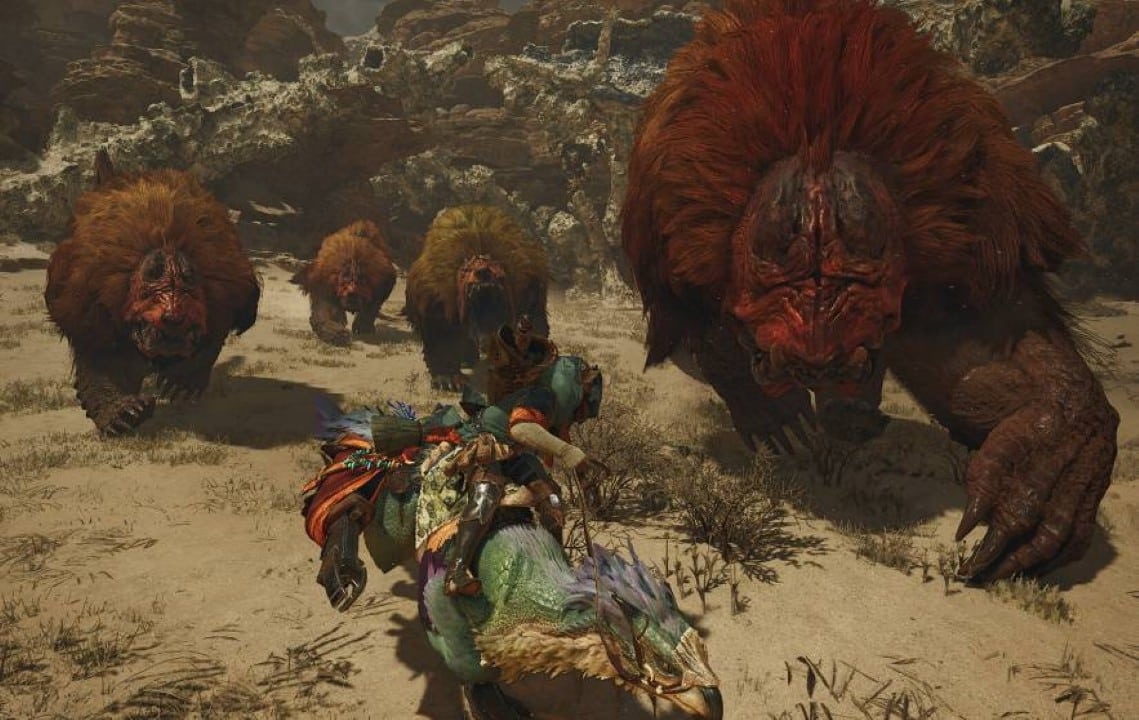
Among the data exposed, graphical performance and frames per second targets stand out, as well as a set of specific technological tools to overcome the limitations of a hybrid system. The documentation suggests careful planning to balance visual quality with fluid gameplay, an essential factor for the Monster Hunter franchise.
Performance and visual quality goals
The leaked documents set out a clear goal for Monster Hunter Wilds’s performance on the new console. The goal is to achieve visual quality equivalent to the “low” to “medium” settings of the PC version, which represents a significant leap compared to titles developed for the current Nintendo Switch.
To ensure the fluidity of gameplay, Capcom would be aiming for a stable rate of 30 frames per second (FPS). Essa is a common metric for large-scale games on consoles, seeking a balance between command response and graphical complexity displayed on the screen.
This approach demonstrates a pragmatic strategy, leveraging the new hardware architecture to deliver a visually rich experience without compromising game stability. Comparing to PC specs provides a tangible baseline for gamers on what to expect in terms of graphics.
The choice for these configurations also reflects the scalability of RE Engine, which is capable of adapting to different levels of processing power, from last generation consoles to the more restrained hardware of the future Nintendo system.
Featured Optimization Technologies
To achieve performance targets, Capcom is using a set of advanced optimization techniques integrated into RE Engine. One of the tools mentioned is “FastLoadMode”, a system designed to drastically reduce loading times and minimize interruptions while exploring the game’s vast maps, creating a more seamless experience. Outra key technology is dynamic level of detail (LOD) adjustment, which automatically changes the complexity of 3D models and textures based on distance from the player, saving processing resources without the loss of quality being noticeable during the action. Adicionalmente, the use of “Occlusion Essa functionality alleviates the load on the graphics processing unit (GPU) and directly contributes to maintaining a more stable frame rate, especially in dense environments full of enemies and vegetation.
The scalability of RE Engine
The RE Engine graphics engine, introduced with Resident Evil 7, became the backbone of Capcom developments and is known for its remarkable flexibility. The ability to adapt to a wide range of platforms, from high-performance PC to Nintendo Switch, is one of its greatest assets and a key factor in the viability of Monster Hunter Wilds on the new console.
Titles like Monster Hunter Rise have already demonstrated the Capcom’s competence in bringing complex experiences to more modest hardware, using the RE Engine to deliver impressive visuals and solid gameplay. The work carried out on this game served as an important learning experience for the team, which is now applying this experience in the development of the successor to Switch.
Implications for the new console
This leak is more than just a game reveal; it serves as a strong indication of the support that Switch’s successor is receiving from major developers. The presence of a major franchise like Monster Hunter from the beginning can be a crucial differentiator for the platform’s success.
Historically, Nintendo consoles have sometimes faced difficulty attracting robust support from third-party studios. The confirmation that Capcom is actively investing in an optimized version of its flagship release suggests that Nintendo has worked to create a friendlier development environment and more capable hardware.
For consumers, this signals the possibility of a more diverse game catalog, which will not only depend on exclusive titles from Nintendo itself, but also on major multiplatform releases.
The importance of third-party support
The confirmation, albeit unofficial, of Monster Hunter Wilds for “Switch 2” reinforces the strategic importance of third-party support. The presence of large franchises is essential to attract a wider audience and ensure the longevity of the console in the competitive market.
Capcom’s effort to create a tailored version, instead of a simple port, highlights its confidence in the platform’s sales potential and its user base.
Context in the gaming industry
Information leaks have become common in the games industry, and although they should be treated with caution until official confirmation, they often precede formal announcements. Este specific case, as it contains in-depth technical details, gains an extra layer of credibility among analysts and fans.
The release of this data places Capcom and Nintendo in a delicate position, but at the same time it increases expectations and discussion around their future releases, functioning as an unintentional form of marketing.
What to expect from the final version
Based on the data revealed, future owners of the successor to Switch can expect a version of



