
Gibbous gibbous moon with 72% visibility dominates the sky on February 7, 2026

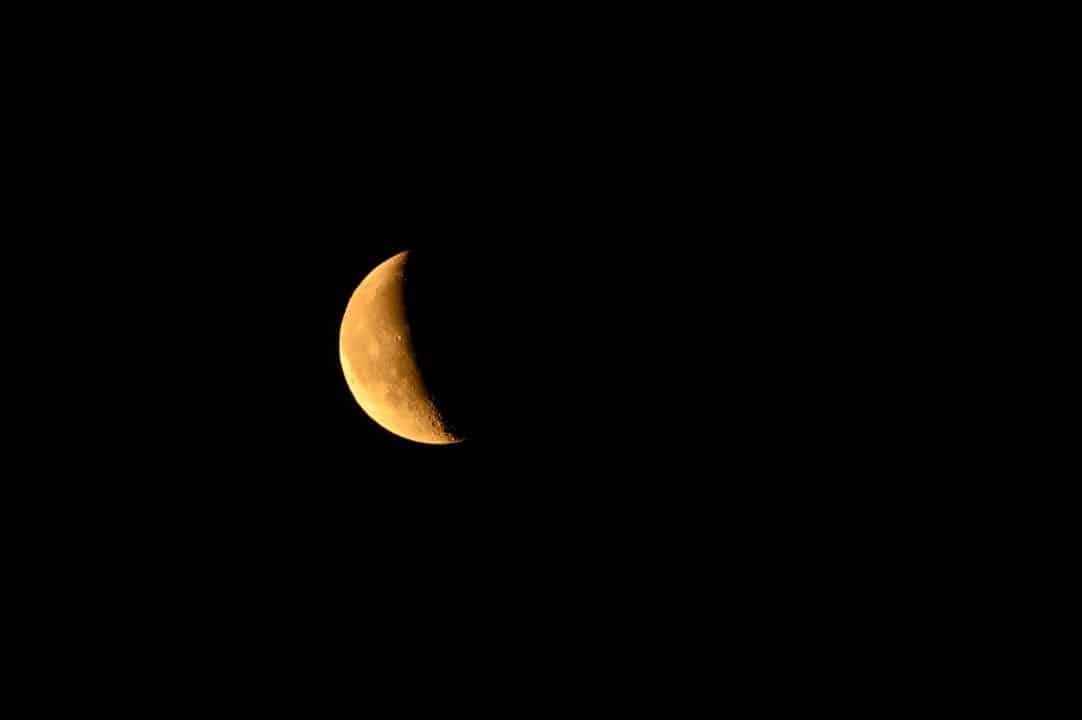
Lua is in the waning gibbous phase this Saturday, February 7, 2026. The satellite records 72% of visible illumination from Terra and continues in a process of gradual decrease.
The transition to the waning Lua occurs in two days, on the 9th. Observadores in different regions of the Brasil report good visibility in areas with clear skies.
The February lunar cycle began with full Lua on the 1st. The subsequent phases follow the established astronomical pattern.
Current phase and observable characteristics
The waning gibbous directly follows the full phase. At Nessa stage, more than half of the lunar disk remains illuminated, but the visible portion progressively reduces.
On February 7, lighting reaches 72%. The phenomenon allows identification of superficial details with basic optical instruments.
Complete February 2026 Calendar
The month of February presents four main phases of Lua. Dates and times consider the time zone of Brasília.
Each change occurs at specific times throughout the cycle. Observações vary depending on regional weather conditions.
- Full moon: February 1st at 7:10 pm
- Waning moon: February 9th at 9:44 am
- New moon: February 17th at 9:03 am
- Crescent moon: February 24th at 9:28 am
These markings follow calculations of Instituto Nacional from Meteorologia. The complete cycle covers approximately 29.5 days.
Lunar cycle and its divisions
The lunar cycle, or lunation, lasts an average of 29.5 days. Nesse period, Lua passes through the four main and intermediate phases.
The relative positions between Terra, Lua and Sol determine visible illumination. The reflected light from Sol reaches different portions of the satellite throughout the orbit.
The intermediate phases include waxing gibbous, waxing gibbous, waning gibbous, and waning quarter. Cada stage lasts about seven days on average.

Detailed explanation of the main phases
The new Lua marks the beginning of the cycle. Nessa phase, the satellite is positioned between Terra and Sol, becoming invisible in the night sky.
The growing phase comes next. Illumination gradually increases from right to left in the Southern Hemisphere.
Full Lua occurs when Terra is between Sol and Lua. The entire disk becomes visible at maximum brightness.
The waning begins the decrease. The lighting reduces until it returns to the new phase.
Practical observation in Brazilian territory
Observation conditions vary between regions of the Brasil. Áreas Rural areas offer less light pollution interference compared to urban centers.
Higher altitudes favor clear visibility. Observatórios amateurs record regular satellite images.
Specialized applications provide real-time data. Ferramentas indicate sunrise and sunset times of Lua by location.
Astronomy clubs organize collective sessions. Atividades include guidance for beginners in celestial observation.
Gravitational influence of Lua
The Lua exerts a significant gravitational force on the Terra. The phenomenon causes ocean tides across the planet.
The interaction mainly affects coasts and extensive bodies of water. Variações daily follow the lunar movement.
The average distance between Lua and Terra is about 384 thousand kilometers. Pequenas oscillations occur due to the elliptical orbit.
Studies continue to monitor these effects. Dados contribute to the understanding of terrestrial dynamics.
Next transitions in the cycle
The waning Lua arrives on February 9th. Lighting reduces to 50% in the last quarter.
The new phase takes place on February 17th. Nesse moment, the Lua becomes practically invisible to the naked eye.
The crescent returns on day 24. The cycle restarts with a gradual increase in lighting.
Observation planning benefits from advance predictions. Calendários annually facilitates continuous monitoring.
Regional variations in observation
Southern regions of Brasil record clearer skies in February. Condições favor prolonged observation.
Northern states face greater seasonal cloudiness. Janelas of visibility depends on intervals without rain.
Coastal cities combine lunar observation with high tides. Fenômeno reinforces connection between satellite and ocean.
Meteorological data complements planning. Previsões help choose ideal locations.




