
Solar megaflare X8.1 in region AR4366 causes geomagnetic storm and intense auroras

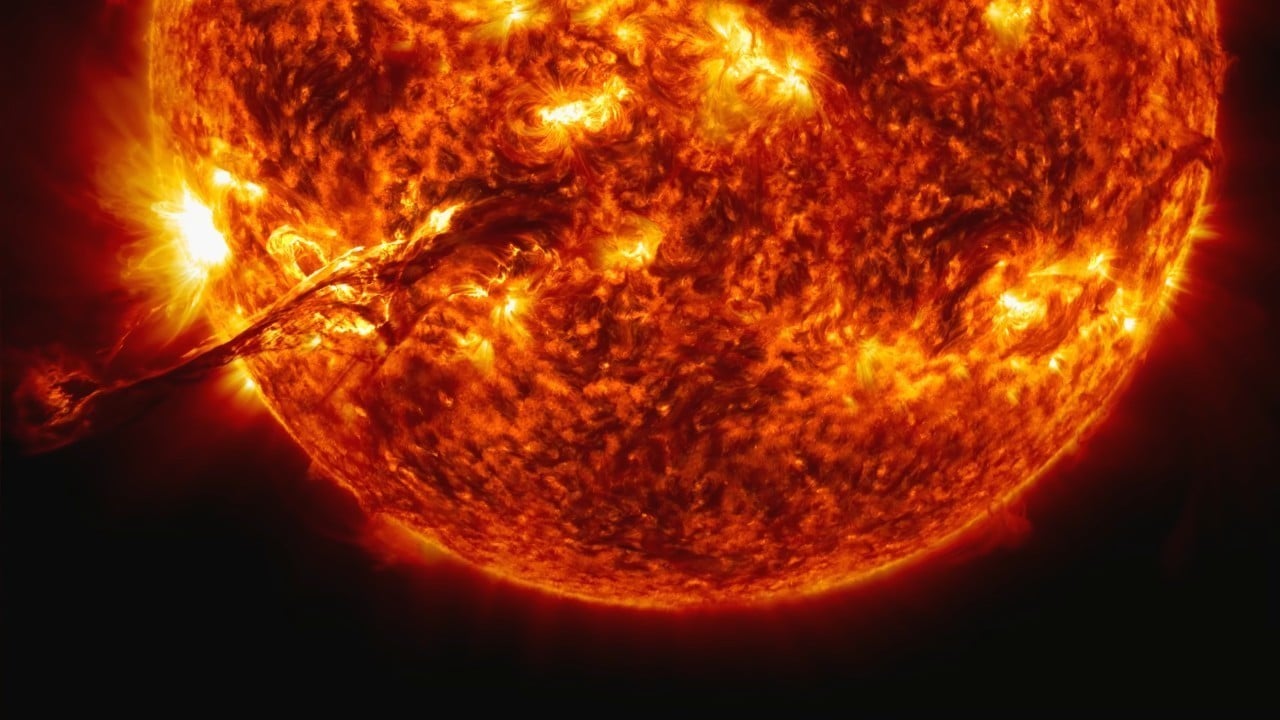
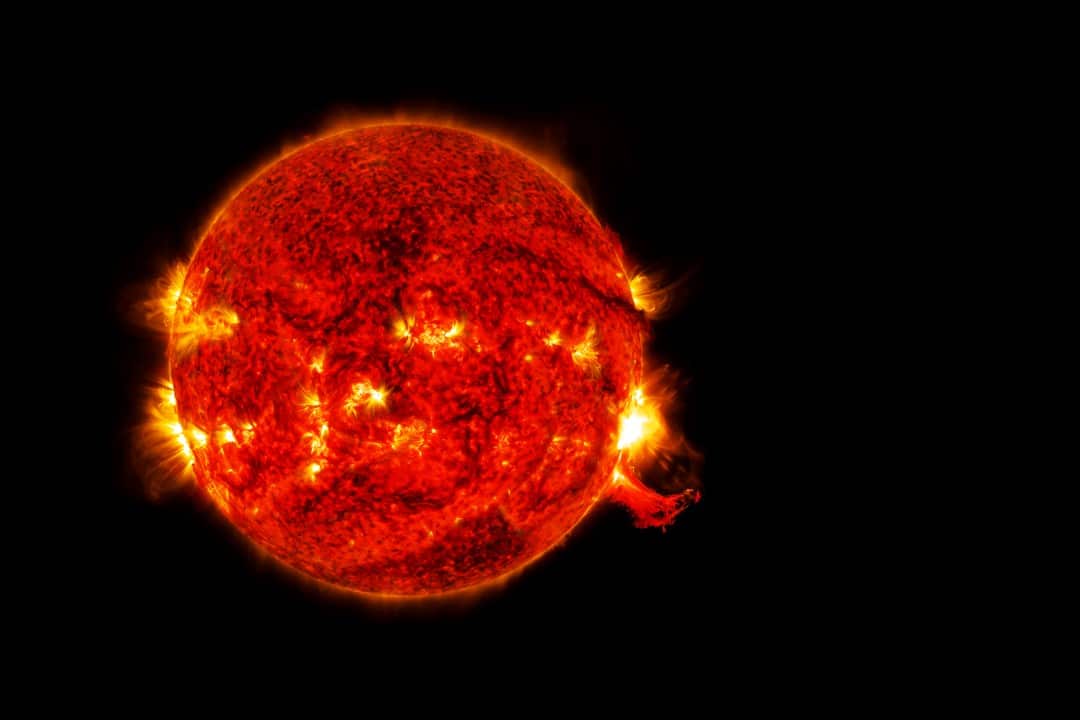
A series of high-intensity solar flares were recorded in the active region AR4366 in early February 2026. The strongest of them, classified as X8.1, released a large amount of plasma that reached Terra in the following days.
NOAA confirmed that the associated coronal mass ejection began interacting with Earth’s magnetic field on February 5. The effects of the G1 level geomagnetic storm extended until February 7, with impacts considered light.
Observers in high latitude regions have reported brighter and more extensive aurora borealis. The phenomenon occurs when energized solar particles collide with atmospheric gases at the poles.
- Visible increase in auroras in countries in the northern hemisphere.
- Slight interference to high frequency radio signals.
- Small variations in accuracy of GPS systems.
Characteristics of the AR4366 region
The active region AR4366 developed rapidly in the visible solar disk in late January. Sua extension reached dimensions equivalent to ten times the diameter of Terra, concentrating complex magnetic fields.
This configuration favored the occurrence of multiple class X eruptions in sequence. Satélites monitoring recorded at least five significant events in the first days of February.
Trajectory of solar ejections
Coronal mass ejections expelled by the X8.1 eruption traveled toward Terra at high speeds. Modelos computational data indicated partial impact, which contributed to the G1 classification of the resulting storm.
The solar plasma dragged magnetic field lines that intertwined with the Earth’s shield. Essa gradual interaction allowed accurate alerts by specialized centers.
Aurora phenomenon
The northern lights intensified in areas such as Canadá, Alasca, Escandinávia and north of Rússia. In mid-latitude locations, the spectacle became visible on cloudless nights.
Charged particles excite oxygen and nitrogen molecules in the upper atmosphere. The emission of light produces varying shades of green, red and purple concentrated at the magnetic poles.
Effects on technological systems
G1 level storms cause moderate interference to radio communications, especially on frequencies used by polar aviation. Operadores adjusted procedures to minimize disruptions.
Satellite navigation systems recorded small signal fluctuations in affected regions. Redes electrical companies at high latitudes have monitored magnetic inductions without reports of serious failures.
Context of solar cycle 25
The observed activity is part of the maximum period of Ciclo Solar 25, expected for 2025-2026. Nesse phase, the number of sunspots increases, increasing the frequency of eruptions.
Scientists have been following the behavior of Sol for decades to predict cyclical variations. The approximately 11-year cycle directly influences the space environment near Terra.
Monitoring by space agencies
NOAA operates satellites dedicated to real-time solar surveillance. Dados collected feed models that issue alerts hours or days in advance.
Other institutions, including European and Asian agencies, collaborate to exchange information. Essa global network improves the accuracy of space weather predictions.
Classification of solar flares
Solar flares are divided into classes A, B, C, M and X, with numerical subdivisions. Eventos of class X represent the most energetic, capable of releasing immense amounts of radiation.
- Class C: minimal effects.
- Class M: moderate radio interference.
- Class X: potential for temporary blackouts and risks to satellites.
Aurora observation in the northern hemisphere
Enthusiasts and photographers recorded impressive images of the phenomenon in several countries. Aplicativos experts indicated the best times for viewing during the affected nights.
The extension of the auroras to lower latitudes occurred due to the intensity of the storm. Esse temporary shift increased the number of possible observers.
Differences for extreme events
Geomagnetic storms at levels G4 or G5 cause more severe global impacts on infrastructure. The current episode remained restricted to localized and short-lived effects.
Technological advances in power grids and satellites have increased resilience. Medidas preventive measures implemented by operators reduced potential risks.
Evolution of solar activity
The AR4366 region continued to rotate across the visible solar disk after the peak of eruptions. Especialistas monitored its gradual decline in the days following the main event.
New active regions can emerge at any time during solar maximum. Previsões indicate the possibility of similar events in the coming months.




