
Toyota and Daihatsu expand SUV lineup with new 7-seater hybrid models Raize and Rocky Space

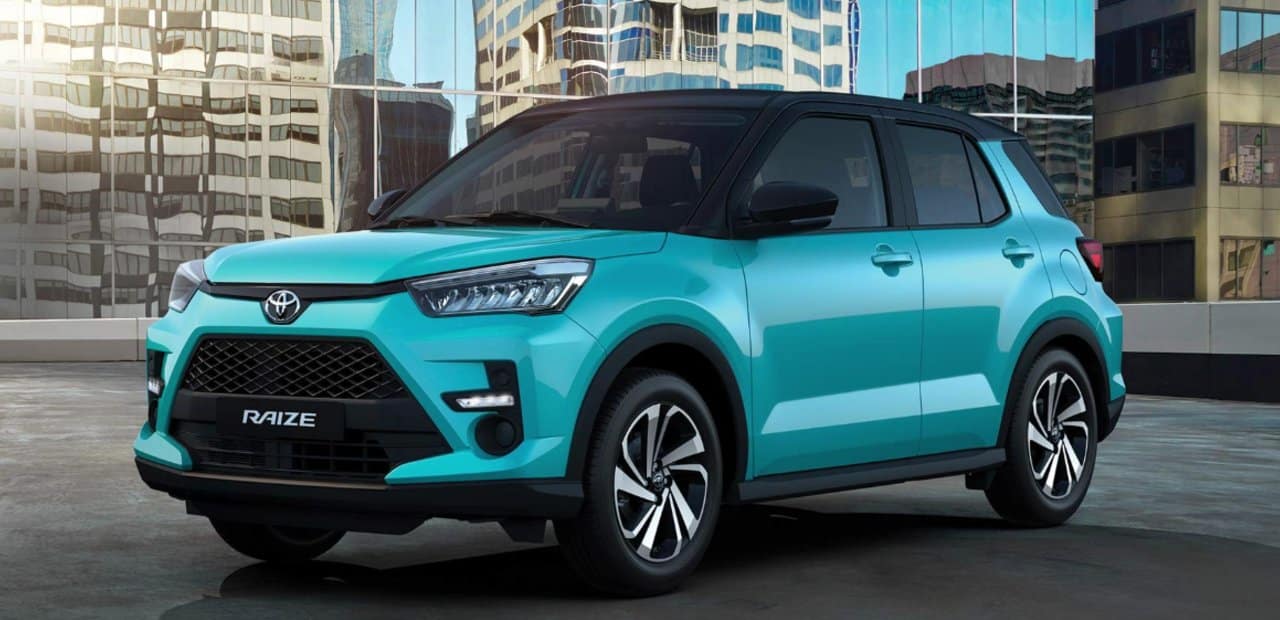
The Japanese automotive market is preparing to receive two important new features in the compact SUV segment. Automakers Toyota and
The models’ main innovation is the introduction of a third row of seats, meeting a growing demand for versatile and efficient family vehicles. Ambos vehicles will be equipped with the e-Smart Hybrid engine system, which promises to combine good performance with low fuel consumption, a crucial factor for consumers.
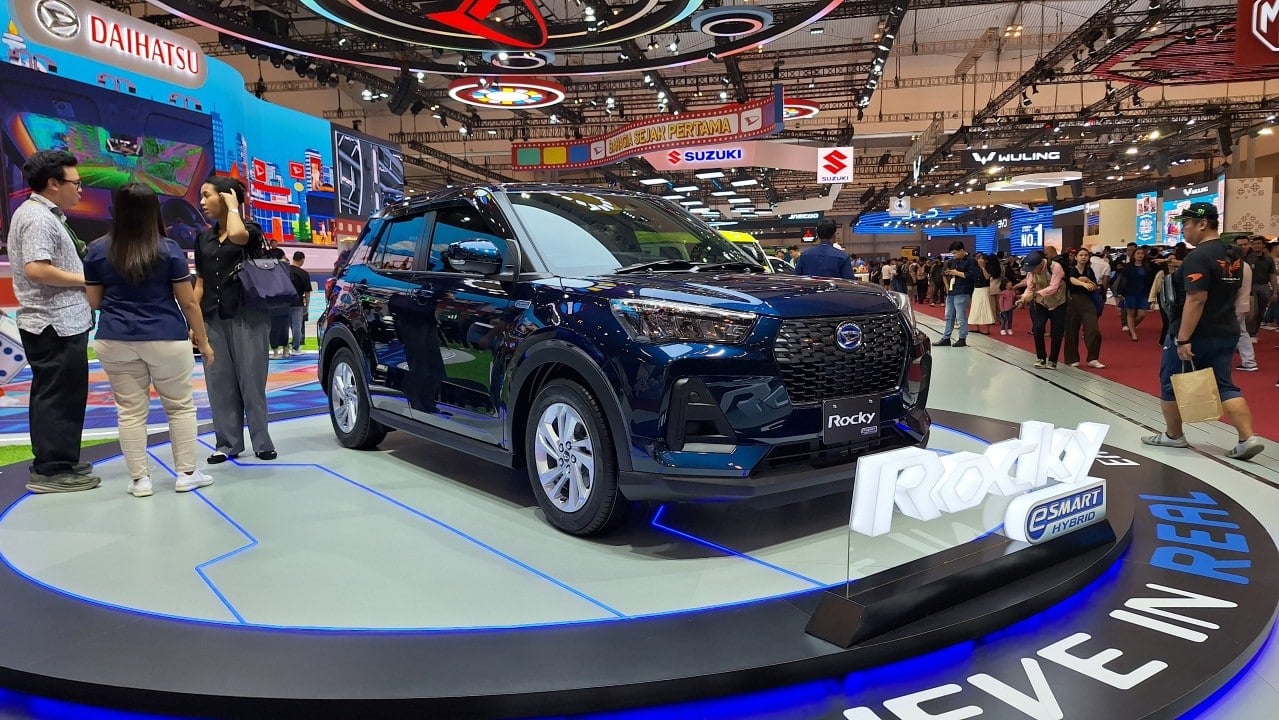
The official launch is scheduled to take place between the end of 2026 and the beginning of 2027 on Japão. The initiative reinforces the collaboration strategy between the two brands, using a shared platform to optimize production costs and accelerate the arrival of new products on the market.
New platform and expanded dimensions
To accommodate the third row of seats and ensure adequate interior space for up to seven passengers, the new Raize Space and Rocky Space will undergo significant modifications to their structure. The basis for this transformation is the DNGA (Daihatsu New Global Architecture) platform, which will be extended to support the new vehicle dimensions. Engenheiros work to make the onboard experience comfortable, even with increased capacity.
It is estimated that the total length of SUVs will jump from the current 3,995 mm to approximately 4,400 mm. Esse increase of more than 40 centimeters will be essential to create a more generous passenger compartment and a functional trunk, even with all seats in use. The width, in turn, must be maintained at 1,695 mm, which classifies the models in the “number 5” category in the Japão, guaranteeing tax advantages and facilitating maneuvering in urban centers.
The e-Smart Hybrid system in detail
The major technical highlight of the future Raize Space and Rocky Space is the adoption of the e-Smart Hybrid system. Diferente of conventional hybrid systems, in this configuration, the combustion engine does not drive the wheels directly. Sua main function is to act as an energy generator to power the electric motor.
The set is made up of a 1.2 three-cylinder gasoline engine, specifically designed to generate electricity efficiently. Essa energy feeds a compact battery and, mainly, the high-power electric motor, which is responsible for moving the vehicle in all situations.
This architecture, known as a series hybrid, provides a smooth and silent drive, similar to that of a 100% electric car. The throttle response is instantaneous, as the electric motor’s maximum torque is available from the start, ensuring agility in urban traffic and when overtaking.
The performance numbers are encouraging for the segment. The electric motor delivers a combined power of approximately 110 horsepower and a torque of 17 kgfm, values that ensure adequate performance even with the vehicle carrying seven occupants and luggage.
Design and expected visual changes
The increase in dimensions will inevitably bring significant changes to the design of SUVs. The main change will be noticed on the side, with an elongated wheelbase and a new peephole in the rear column, designed to improve visibility and the feeling of space for third-row occupants. The rear will be completely redesigned, with a larger door to facilitate access to the luggage compartment and lights with a new lighting layout, providing a distinct visual identity compared to the five-seater versions. At the front, the models are expected to maintain the already known visual identity, but with possible updates to the grille and bumper to mark the launch of the new bodywork, aligning them with the latest design language of both brands.
Versatility and interior space for seven passengers
The interior of the Raize Space and Rocky Space models is being designed with maximum focus on modularity and comfort. The 2+3+2 seating configuration was designed to optimize the use of space, allowing different combinations to transport passengers and cargo according to the needs of the moment.
The second row of seats will have distance and inclination adjustments, facilitating not only the comfort of its occupants, but also access to the third row. Embora Although the last two seats are more suitable for children or for use on short journeys, their presence considerably increases the vehicle’s functionality on a daily basis.
When not in use, the third row seats can be folded down, creating a flat surface and a large trunk, comparable to that of a compact station wagon. Além In addition, the interior will feature several storage compartments, dedicated air conditioning outlets and USB ports for all occupants.
Prices and market positioning
Although official values have not yet been released, the expectation in the Japanese market is that the new seven-seater models will have a competitive starting price. Versions equipped with the 1.2 naturally aspirated gasoline engine should start at around 2.35 million yen.
The top-of-the-line configurations, equipped with the e-Smart Hybrid system and a complete package of safety and comfort technologies, can reach values close to 2.9 million yen. At this price point, they will compete directly with other family models established in the Japão.
Joint strategy of Toyota and Daihatsu
The launch of the Space models reflects the successful collaboration strategy between Toyota and Daihatsu. By sharing the DNGA platform and propulsion system, companies are able to drastically reduce development costs and time to market, offering modern and efficient products to a wider audience.



