
Volkswagen’s offensive with Polo and T-Cross intensifies the dispute for sales leadership with Fiat

The competition for the top of the Brazilian automotive market is increasingly intense, with the Volkswagen consistently advancing over the consolidated leadership of the Fiat. The German automaker’s strategy, focused on the sales success of the Polo hatch and the T-Cross SUV, has proven effective in reducing the gap with the Italian competitor, which for years has dominated the registration rankings in the country.
This direct dispute reflects a moment of great dynamism in the sector, where every percentage point of market share is achieved through aggressive pricing strategies, launches of new versions and strong work with the dealership network. Ambas brands adjust their portfolios to meet an increasingly demanding consumer, who seeks technology, safety and energy efficiency.

The results of recent months indicate that the difference between the two automotive giants has narrowed, signaling that the race for first position will continue to be fierce. Enquanto to Fiat is committed to the diversity of its portfolio, with a strong presence in different segments,
Volkswagen’s strategy with its best sellers
The Volkswagen Polo has established itself as a fundamental pillar in the German brand’s offensive. The model has not only become the best-selling passenger car of the Brasil, but has also attracted a diverse audience thanks to its wide range of versions, ranging from entry-level options with a 1.0 MPI engine to the sporty GTS, equipped with a 1.4 TSI engine. The automaker invested in a competitive pricing policy and in offering attractive equipment packages, such as the digital dashboard and the VW Play multimedia center, which are important differentiators in the segment. Fast-paced production at the Taubaté and São Bernardo factories in Campo, in
The duel in the SUV segment
The Volkswagen T-Cross plays an equally vital role in the brand’s strategy, positioning itself as one of the best-selling compact SUVs in the country. The model stands out for its good internal space, generous trunk and the offer of turbo engines in all its versions, features valued by the Brazilian consumer. The recent visual and equipment update further strengthened its competitiveness in the fierce segment.
On the other side, Fiat responds with a successful duo: Pulse and Fastback. The Ambos models, developed in the Brasil, rely on a bold design and the offer of turbo engines to attract customers. The Pulse focuses on a more accessible price range, while the Fastback, with its SUV coupe style, targets an audience that values exclusivity and differentiated design.
This direct competition in the fastest growing segment of the market is one of the main battlegrounds between the two automakers, with each launch and update being carefully planned to gain consumer preference.
Fiat remains resilient with diversified portfolio
Despite strong pressure from Volkswagen, Fiat sustains its leadership position based on a well-established and comprehensive portfolio strategy. The Strada pickup continues to be the best-selling vehicle of the Brasil, a market phenomenon that guarantees the brand a significant volume of registrations every month.
In addition to the Strada, models such as the compact Mobi and the hatchback
Recent automotive market figures
Consolidated data from the automotive sector shows Fiat with a market share of slightly more than 20%, remaining in first position. Volkswagen follows closely behind, with a share approaching 16%, demonstrating notable growth in recent periods.
The Strada pickup truck, from Fiat, easily leads the overall vehicle ranking, being an irreplaceable pillar for the Italian brand. However, when analyzing only the passenger car segment, the Volkswagen Polo takes the lead, highlighting the strength of the German automaker’s strategy.
The competition is also fierce among SUVs, where the T-Cross frequently appears at the top of the monthly sales list in its segment. Essa fierce competition between the highest volume models of both brands is what defines the small margin that separates them year to date.
This direct competition tends to benefit the end consumer, who now has more product options, more equipped versions and more favorable commercial conditions, the result of the automakers’ efforts to win the public’s preference.
Future moves and new releases
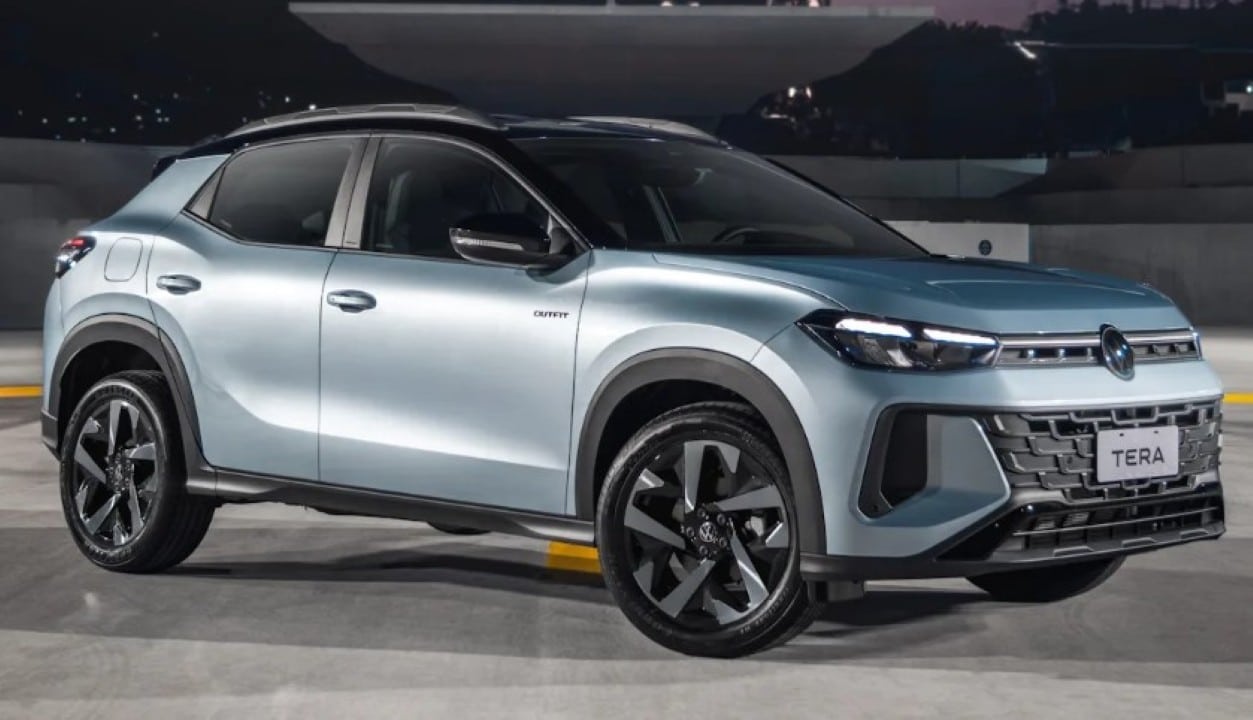
To maintain the pace of growth, Volkswagen is preparing new investments and launches for the Brazilian market. One of the most anticipated projects is the development of a new entry-level SUV, which will be positioned below the Nivus and will function as a spiritual successor to the Gol, targeting a high-volume segment. Electrification is also on the company’s radar, with the gradual introduction of hybrid and electric models into its local portfolio, aligning with global trends in sustainability and energy efficiency.
Fiat, in turn, does not intend to stand still and will continue to invest in updating its products and in the strength of the Stellantis brand. Estão planned renovations for important models in its line-up, in addition to the exploration of new technologies, such as the Bio-Hybrid hybrid systems. The brand should also continue to strengthen its presence in the light commercial vehicle segment, where it already has a consolidated leadership, taking advantage of synergy with other brands in the group to optimize platforms and reduce development costs.
The strength of the dealership network
A decisive factor in this dispute is the capillarity and quality of the dealership network of both brands. Tanto to
The ability to offer good service, efficient maintenance services and attractive financing conditions directly at the dealership are elements that influence the purchasing decision and contribute to customer loyalty, being a battlefield as important as the development of new products.



