
Xiaomi releases HyperOS 3.1 tests based on Android 16 for nine advanced models from the brand and Poco


Xiaomi has taken a significant step forward in the software development race by beginning the global testing phase for HyperOS 3.1, its newest user interface. The big news is that this version is already built on Android 16, the future update of the Google operating system, placing the Chinese manufacturer in a leading position in the mobile technology ecosystem.
In this initial stage, the update is being distributed in a restricted manner to a select group of nine high-performance smartphones, including models from the main Xiaomi lines and also from its sub-brand, the Poco. The initiative aims to collect crucial data and feedback to ensure feature stability and improvement before a wider public launch.
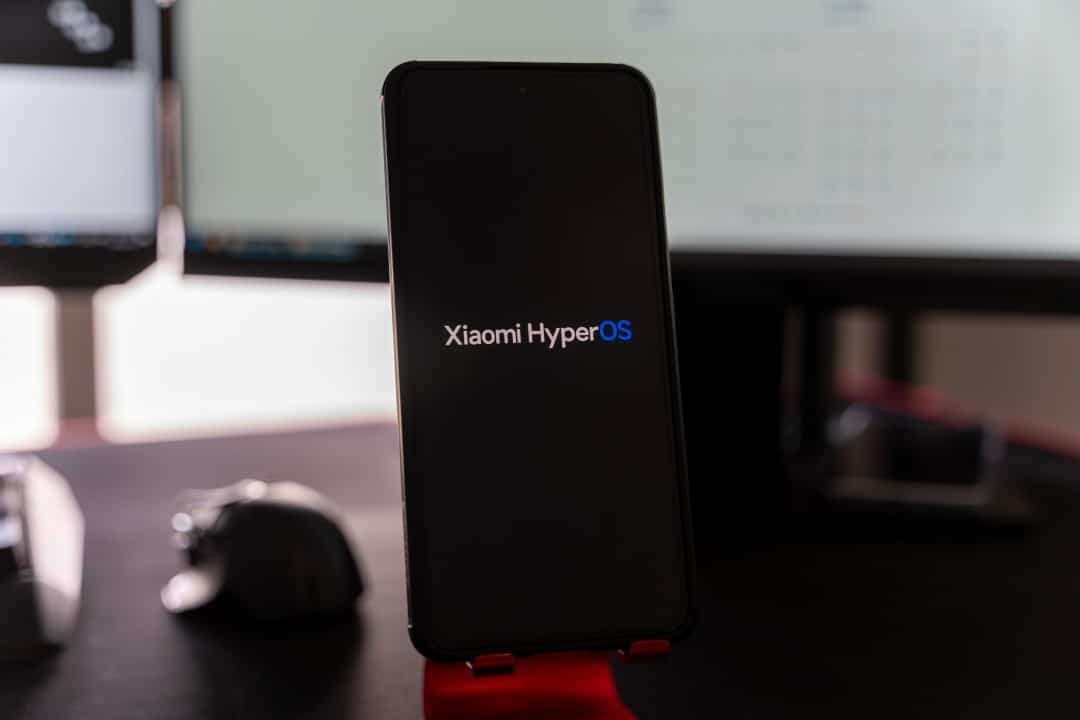
The decision to test the new interface with a still-in-development version of Android demonstrates close collaboration between Xiaomi and Google. Para users, the expectation is of a more fluid, secure experience and full of new features that will make the most of both the devices’ hardware and the software innovations that are to come.
Which devices are on the first list
The initial selection of devices to receive HyperOS 3.1 is made up exclusively of high-end models, chosen for their processing capacity and advanced hardware, essential for testing the limits of the new system. The official list includes nine devices, confirming the company’s focus on its main product families.
Among the models of the Xiaomi brand, devices from the Xiaomi 14 series are confirmed, such as the Xiaomi 14 and the Xiaomi 14 Ultra. Fontes internals also suggest that future launches, such as the expected models in the Xiaomi 15 line, are already being considered for the next phases of testing, ensuring that the next flagships reach the market with the latest software.
Poco, known for its focus on performance, was also included in this first wave. Modelos as well as the Poco F7 Pro and the Poco F8
The strategic choice of these devices allows Xiaomi engineers to evaluate system behavior across different high-end hardware configurations. Isso acelera a identificação de possíveis falhas e otimiza a compatibilidade, preparando o terreno para uma distribuição mais estável e abrangente no futuro.
Integration with Android 16
Building HyperOS 3.1 on top of Android 16 represents a milestone in the synergy between the Xiaomi software and the Google platform. Esta early integration allows the manufacturer to explore first-hand the new APIs and native functionalities that Google is developing, resulting in a deeper and more optimized adaptation. Espera Android 16 is expected to bring significant advances in areas such as privacy, with more granular control panels for application permissions, and power management, using artificial intelligence to predict user behavior and optimize battery consumption. Xiaomi plans to not only incorporate these improvements, but also customize them within the HyperOS ecosystem, adding layers of security and unique functionality. Outro crucial point is the optimization of notifications and the introduction of improved connectivity features, such as support for satellite communication and better integration with wearables and smart home devices, areas where the Xiaomi has a strong presence. Early access allows the company’s development team to work directly with the source code of the new Android, ensuring the transition to the final version is smoother for millions of users globally.
Expected improvements in HyperOS 3.1
With the new update, users can expect a notable leap in performance and daily usage experience. HyperOS 3.1 was designed to further refine system fluidity, with optimizations focused on reducing latencies and speeding up application opening times. Interface animations should become smoother and more responsive, while the control center and settings menu could receive visual and functional adjustments to improve usability. RAM management is also an area of focus, with improved algorithms to keep more apps in the background without compromising the device’s overall performance.
In addition to performance improvements, HyperOS 3.1 promises to introduce a set of new features. Artificial intelligence should gain more prominence, with improved image and video editing capabilities directly in the gallery, as well as a more proactive virtual assistant integrated into the system. Connectivity between devices, one of the pillars of HyperOS through the HyperConnect framework, will be expanded. Isso will facilitate the continuity of tasks between smartphones, tablets, notebooks and other products from the Xiaomi ecosystem, making file transfer and screen mirroring processes even more transparent and efficient.
The testing and release schedule
Currently, the HyperOS 3.1 testing program with Android 16 is in an internal and restricted phase. Isso means that only a limited number of participants, probably consisting of developers and testers selected by Xiaomi itself, have access to the new version.
The feedback collected during this stage is essential. Ele will be used to fix bugs, improve stability, and adjust functionality based on actual usage. The company analyzes performance data, battery consumption and application compatibility to ensure that the software meets a high standard of quality.
Although Xiaomi has not released an official timetable, the expectation is that, following the successful completion of this initial phase, a public beta program will be launched in the coming months. The release of the stable version to the general public should only occur after the official release of Android 16 by Google, which allows Xiaomi to incorporate the final adjustments of the base platform.
Impact on Poco users
The inclusion of Poco smartphones in the first wave of HyperOS 3.1 tests is positive news for the brand’s consumers. Essa measure demonstrates that Poco continues to be treated as a priority line within the Xiaomi software strategy, ensuring that its cutting-edge devices receive the latest innovations in an agile manner.
In practice, this means that owners of selected Poco models will have access to the same performance, security and functionality improvements as users of Xiaomi flagship devices. Parity in software development strengthens Poco’s image as a brand that delivers not only powerful hardware, but also a robust and constantly updated user experience.
News in artificial intelligence and connectivity
Artificial intelligence is one of the main focuses of HyperOS 3.1, driven by the new capabilities of Android 16. The update is expected to bring generative AI features more integrated into the system, allowing, for example, the creation of intelligent text summaries, improved automatic responses and photo editing tools that can remove or add elements with greater precision.
In the field of connectivity, the new version of the system should strengthen HyperConnect, the Xiaomi platform for device integration. With the Android 16 APIs, communication between the cell phone and other devices, such as watches, headphones and home automation devices, will become faster and more stable, creating a more cohesive and intelligent ecosystem for the user.
Xiaomi’s strategy in the global market
By advancing testing of HyperOS 3.1 based on a future version of Android, Xiaomi sends a clear message to the global market. The company positions itself not only as a competitive hardware manufacturer, but also as a leader in software innovation, committed to offering the latest and greatest technological experience to its customers around the world, increasing brand loyalty and attracting new consumers.



