
Active sunspots cause intense and visible aurora borealis in several countries in the northern hemisphere during February 2026

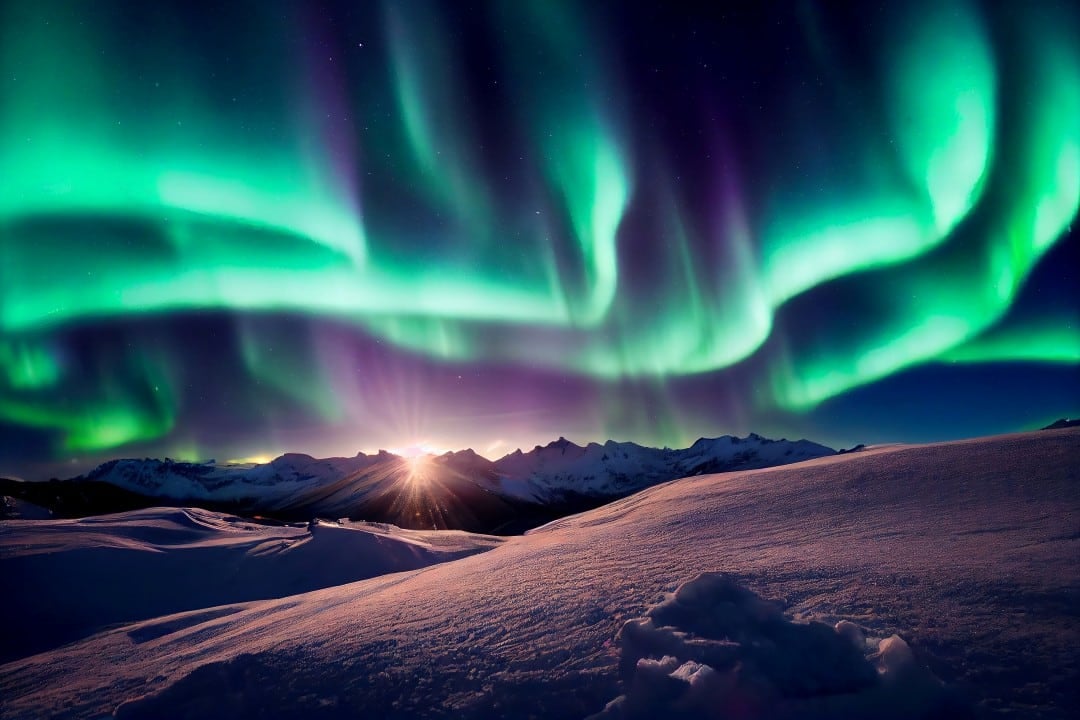
The high solar activity recorded in early February 2026 caused geomagnetic storms that made the aurora borealis visible in several regions of the northern hemisphere. Observadores in countries such as Canadá, Estados Unidos, Noruega, Suécia and The phenomenon results from coronal mass ejections originating in complex sunspots.
Experts monitor Ciclo Solar 25, which reaches levels close to maximum in 2026. Essas solar flares release charged particles that interact with the Earth’s magnetic field and produce auroras.
- Best times for observation occur between 10pm and 2am local time.
- Regions away from urban lights favor viewing.
- Aurora forecast applications help with real-time monitoring.
Causes of current high solar activity
Sol features rapidly growing sunspots in early February 2026. Essas cooler regions on the solar surface generate X-class flares, including one recorded as X8.1. Associated coronal mass ejections travel to Terra in a few days.
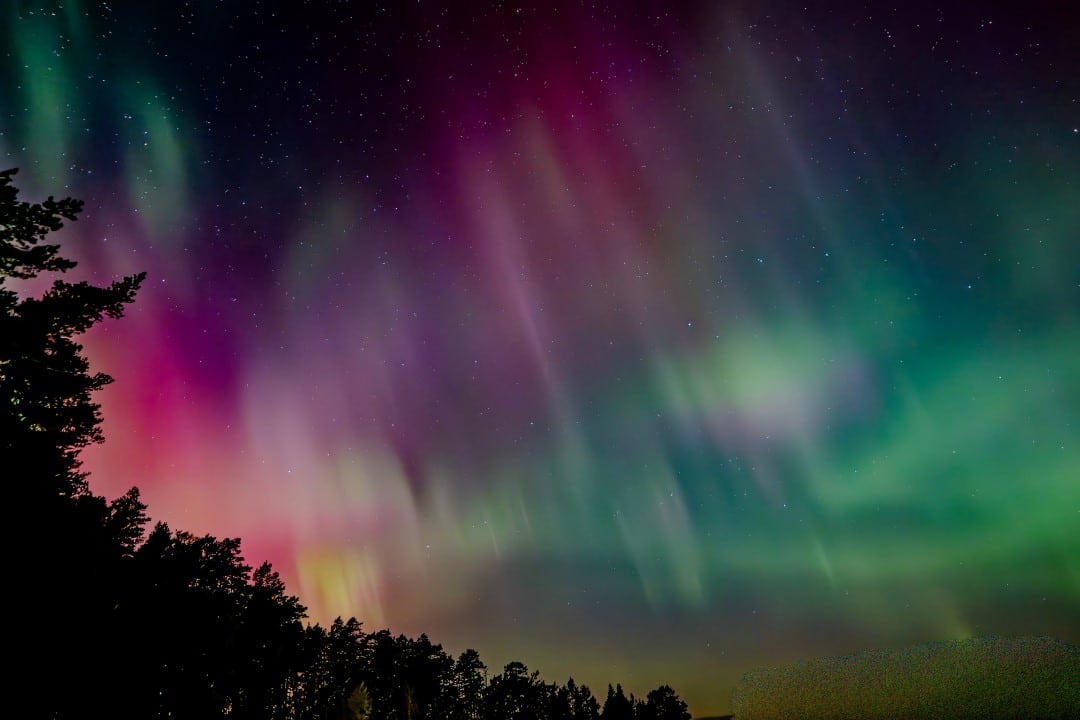
These charged particles reach the Earth’s atmosphere and excite gases such as oxygen and nitrogen. The interaction produces the characteristic lights of the aurora borealis in shades of green, purple and red. The intensity depends on the strength of the geomagnetic storm classified at levels G1 to G5.
Locations with recent sightings
Observers recorded aurora borealis at lower latitudes than usual during the nights of February 2026. Nos Estados Unidos, states such as Montana, Dakota, No Canadá, northern and central provinces had intense displays.
In Europa, countries such as Noruega, Suécia, Finlândia and Islândia maintained ideal conditions. Regiões in Reino Unido and north of Alemanha also captured images of the phenomenon. Extension to mid-latitudes only occurs in severe geomagnetic storms.
Forecasts for the coming weeks
Space agencies indicate the possibility of new geomagnetic storms in the weeks following February 2026. Solar Manchas remain active and could generate more coronal mass ejections. Previsões point to favorable nights until the end of the month in northern regions.
Observers must track indices such as Kp, which measures magnetic disturbance. Valores above 5 increases the chances of visibility in mid-latitudes. Condições clear weather conditions also influence the success of sightings.
Science behind the auroral phenomenon
The northern lights occur mainly in the auroral zone between 60 and 75 degrees north latitude. Partículas solar cells channeled by the Earth’s magnetic field collide with atmospheric molecules at altitudes between 100 and 400 kilometers. Oxigênio produces greens and reds, while nitrogen generates blues and purples.
The Ciclo Solar 25 started in 2019 reaches its peak between 2024 and 2026. Esse period of 11 years alternates phases of minimum and maximum activity. The current cycle exceeds initial forecasts and records more strong eruptions than expected.
NASA and NOAA researchers monitor Sol using satellites like Solar Dynamics Observatory. Esses instruments detect flares and ejections in real time. Dados help predict impacts on Terra, including auroras and possible communications interference.
Best Practices for Observation
Choosing locations with low light pollution increases your chances of seeing the Northern Lights clearly. Áreas Rural areas or national parks offer ideal conditions. Equipamentos how cameras with long exposure capture details invisible to the naked eye.
- Check auroral forecasts on specialized websites.
- Wear appropriate clothing for low temperatures.
- Avoid nights with a full moon that reduce contrast.
- Position yourself facing north in the northern hemisphere.
Traditional observation regions
Scandinavian countries maintain infrastructure dedicated to observing the Northern Lights. Noruega offers cities like Tromsø with guided tours. Islândia combines the phenomenon with geothermal landscapes.
At Canadá, Yellowknife attracts visitors for its central location in the auroral zone. Alaska has national parks with frequent visibility. Esses destinations record a high rate of sightings during the boreal winter.
Impacts of solar activity on Terra
Geomagnetic storms affect GPS systems and high-frequency radio communications. Companhias airlines adjust polar routes during intense events. Redes Electrical plants in high latitudes face risks of inducing currents.
Satellites in orbit suffer greater atmospheric drag during periods of expansion caused by solar heat. Engenheiros space monitors these effects. Most impacts remain controlled by protection systems.
History of similar events
Extreme events such as Carrington in 1859 caused auroras visible even in tropical regions. In the modern era, the G5-rated May 2024 storm recorded global sightings. The January 2026 episode also reached G4 level.
Comparisons show that Ciclo 25 produces more strong storms than previous cycles. Registros indicate an increase in the frequency of class X flares. Continuous Observações refine forecast models.
Tips for Aurora Photography
Photographing auroras requires a stable tripod and manual settings on your camera. Exposições between 5 and 20 seconds captures movements of the lights. ISO between 800 and 3200 balances sensitivity and noise.
Using wide-angle lenses includes more of the sky and foreground landscape. Foco manual at infinity avoids blurry images. Aplicativos help plan compositions based on prediction.
The Northern Lights phenomenon continues to attract global attention in 2026. The combination of elevated solar activity and favorable conditions keeps expectations high. Observadores in different regions follow the February nights.



