
Bad Bunny: How the Puerto Rican star redefined Latin music and became a global cultural icon

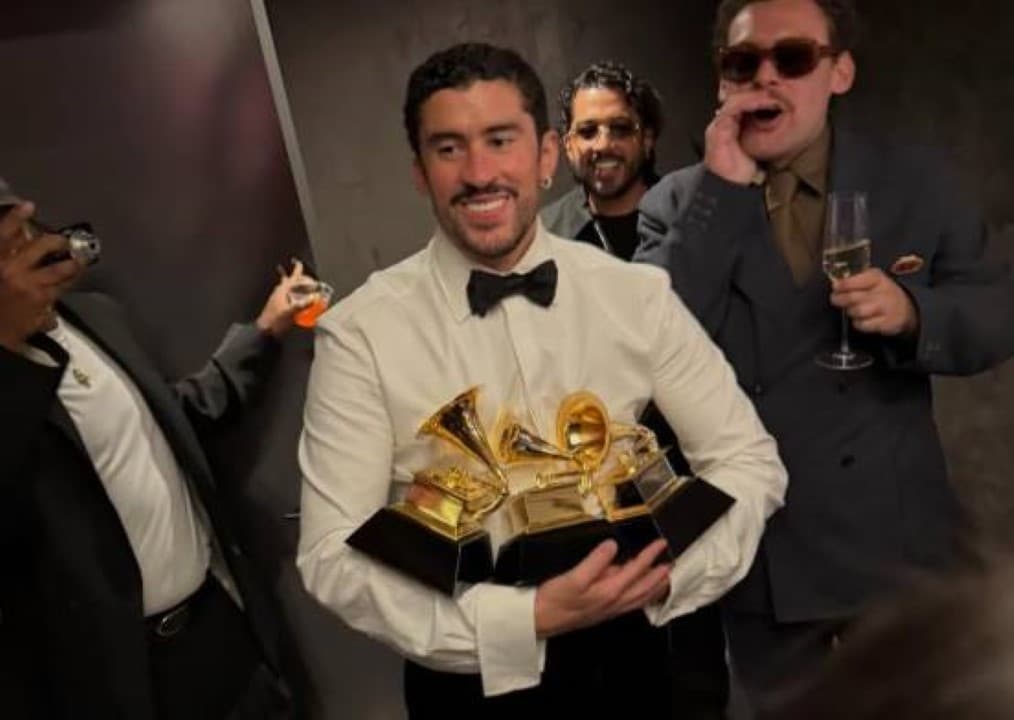
Benito Antonio Martínez Ocasio, artistically known as Bad Bunny, has established himself as one of the most prominent figures in the contemporary music industry. Partindo by Porto Rico, the artist has overcome linguistic and genre boundaries to establish himself as a global phenomenon, breaking records on streaming platforms and selling out stadiums on international tours. Sua remarkable trajectory redefined the reach and perception of Latin music on the world stage.
The singer’s career began in the independent music scene, where he used digital platforms to share his first songs while balancing art with his work as a bagger in a supermarket. Sua sonic authenticity and innovative approach quickly captured the public’s attention, building the foundation for a career that would defy industry conventions and take him to the top of the charts.

Currently, Bad Bunny transcends the definition of a musician, being considered a true cultural phenomenon. Sua influence extends to the worlds of fashion, cinema and social activism, where he uses his enormous visibility to amplify debates on relevant issues and inspire a new generation of admirers with his authenticity and breaking of stereotypes.
The rise of digital platforms
Born in Vega Baja, a city located in the northern region of Porto Rico, Benito has always demonstrated a strong inclination towards music. Durante When he was young, he participated in the church choir and, self-taught, began producing his own tracks, which were published on his SoundCloud account. Foi through this platform that his song “Diles” went viral, arousing the interest of producer DJ Luian, who invited him to join his label, Hear this Music. Essa partnership marked a decisive turning point, propelling his career to a new level. The release of highly successful singles, many of them in collaboration with other reggaeton exponents such as Ozuna and J Balvin, solidified its position in the competitive Latin market. Sua’s deep voice and melodic flow have become his artistic signature, distinguishing him from other artists in the genre and cultivating a loyal and ever-expanding fan base.
Redefining the sounds of urban music
Bad Bunny is widely recognized as one of the main people responsible for popularizing Latin trap, a subgenre that fuses the characteristic beats of North American trap with the sensitivity and language of reggaeton. Ele was never content with following pre-established formulas, opting to experiment with fusions with rock, bachata, dembow and several other Caribbean rhythms. Essa boldness resulted in a unique, versatile sound that speaks to different audiences around the world, expanding the creative frontiers of urban music.
His compositions often address themes that transcend the genre’s traditional narratives, honestly exploring issues such as emotional vulnerability, love, disillusionment and blunt social criticism. Essa lyrical depth, combined with his ability to create striking and infectious choruses, has allowed him to establish a deeper and more authentic connection with a global and diverse audience. The release of his debut album, “X 100pre”, in 2018 was a milestone in his career, receiving critical acclaim for its cohesion and innovation, and setting a new standard of quality for Latin music.
Achievements and dominance in the charts
Bad Bunny’s trajectory is marked by an impressive sequence of records and achievements. For several consecutive years, he remained the most listened to artist globally on the Spotify platform, accumulating billions of reproductions and surpassing big names in international pop music.
His albums, such as “YHLQMDLG” (Yo Hago Lo Que Me Da La Gana) and “El
The album “Un Verano Sin Ti” became a global phenomenon, breaking multiple streaming records and remaining at the top of the charts for weeks, consolidating itself as one of the most successful works of the decade.
His collection of awards includes multiple Grammys and Latin Grammys, a recognition that validates both his immense commercial success, his artistic excellence and the lasting impact of his work on the music industry.
A fashion icon and voice for social causes
Bad Bunny’s influence extends far beyond the studios and stages. Ele has established herself as a fashion icon, celebrated for her eccentric style and courage in challenging traditionally imposed gender norms.
By wearing skirts, painting his nails and adopting a fluid, unfettered look, he promoted important discussions about masculinity and freedom of expression in Latin culture and on a global scale, appearing on magazine covers and collaborating with major brands.
The artist also uses his platform for activism, positioning himself as a vocal critic of political and social issues on Porto Rico. Ele participates in protests and uses her social media to raise awareness about topics such as gentrification and the rights of the LGBTQIA+ community.
Consolidation on stage and cinema
Bad Bunny’s transition from Latin star to global icon was cemented by his world tours. Seus shows are known for their elaborate production and infectious energy, selling out tickets at the biggest stadiums in Estados Unidos, Europa and América Latina.
He also expanded his career to Hollywood, with appearances in films such as “Trem-Bala”, alongside Brad Pitt, and being cast to star in “El Muerto”, from the Marvel hero universe, demonstrating his artistic versatility.
Symbol of Latin representation in the world
The success of Bad Bunny represents a milestone for Spanish-language music, proving that Latin artists can achieve global stardom without having to abandon their language or cultural identity. Ele has opened doors for a new generation of talent, serving as a cultural bridge that introduces the rhythms and stories of Porto Rico to the world.
The constant reinvention of a phenomenon
With each new project, Bad Bunny demonstrates a remarkable ability to reinvent himself, exploring new sounds and continually expanding his creative range. Seu legacy is already established as that of an artist who not only dominated the music charts.
He has also used his art to provoke thought, inspire change, and redefine what it means to be a global pop star in the 21st century, while remaining an influential and unpredictable force in contemporary culture.




