
Monster Hunter Wilds leak points out graphical optimization and fast loading mode on Switch 2


New information about the highly anticipated Monster Hunter Wilds has emerged via a detailed leak, suggesting that Capcom is developing a highly optimized version of the game for the successor to Nintendo Switch, tentatively known as Nintendo.
The information points to a significant effort by the developer to adapt its graphics engine, RE Engine, to extract maximum performance from the new hardware. Entre The most impactful new features would be a “Carregamento Rápido Mode”, which aims to eliminate waiting screens between large areas of the map, a feature that could redefine the franchise’s gameplay on a portable platform.
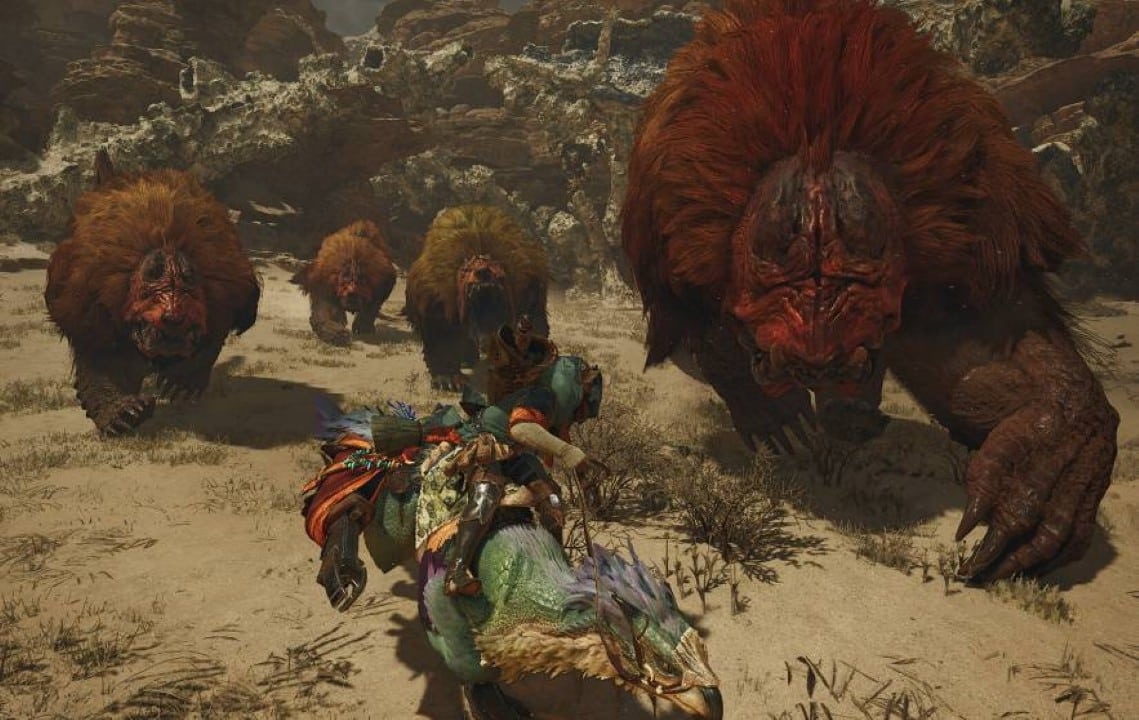
This move, if confirmed, reinforces the strong partnership between Capcom and Nintendo, which achieved great success with the launch of Monster Hunter Rise in the original Switch. The possibility of having a major title like Wilds available at or close to launch would be a strong driver for the new console’s initial sales, demonstrating its technical potential right from the start.
What is “FastLoadMode”?
The most talked about feature in the leak is “FastLoadMode”, or Modo from Carregamento Rápido. Segundo details, this feature was specifically designed to take advantage of the high-speed storage architecture expected from the Switch successor, similar to the SSDs used in the PlayStation 5 and Xbox Series X|S. The technology would allow the game to load new environments, textures and models almost instantly.
For a title like Monster Hunter Wilds, which promises an open and dynamic world, eliminating loading pauses is essential to maintain player immersion. Isso would mean smooth transitions between different biomes and the ability to chase monsters across vast distances without interruption, a significant improvement over previous games in the series, especially on portable consoles.
Effective implementation of this mode would be an important technical differentiator, not only for the game, but also for the console itself. Demonstraria the new hardware’s ability to manage large volumes of data in real time, bringing the portable experience on par with that seen on today’s most powerful desktop consoles and setting a new standard for open-world gaming on the platform.
This technology would also directly impact gameplay, allowing for more dynamic encounters and large-scale events that would not have been possible with previous hardware limitations. The promise is of a more lively and reactive world, where exploration and combat flow without technical barriers, deepening the player’s involvement with the game’s universe.
Graphics optimizations with RE Engine
The leak also details how Capcom plans to optimize the graphics of Monster Hunter Wilds for Switch 2 using the versatile RE Engine. The strategy involves using advanced techniques to balance visual quality and performance. One of the approaches mentioned is the implementation of a dynamic Nível of Detalhe (LOD) system, which adjusts the complexity of objects based on distance from the player, saving processing resources without noticeable visual loss. Outra technique cited is “occlusion culling”, which prevents the processor from rendering objects that are outside the player’s field of vision, further optimizing performance.
Additionally, the information indicates the use of an upscaling technology, possibly similar to Nvidia’s DLSS, to achieve higher resolutions, such as 1080p, starting from a lower internal rendering resolution, such as 720p. Este method alleviates the load on the graphics processing unit (GPU), allowing the console to maintain a stable frame rate, with rumors pointing to a target of 60 frames per second (FPS). The combination of these technologies aims to deliver an impressive visual experience, with detailed textures and a vast world, without compromising the fluidity essential for an action game like Monster Hunter.
The importance for the successor of Switch
The presence of a title of the caliber of Monster Hunter Wilds, optimized for the hardware, would be a crucial strategic move for the launch of the successor to Switch. The franchise has immense commercial appeal, especially in the Japanese market, and has the power to boost sales of a new console on its own.
The resounding success of Monster Hunter Rise in the original Switch has already proven the series’ strength on a hybrid platform. Apresentar an even more ambitious and technically advanced sequel on the new system would serve as a clear demonstration of its capabilities, appealing to both fans of the series and new consumers.
Having a game from a major developer like Capcom explore the console’s potential early sets a positive precedent for other studios. Isso signals to the market that the new hardware is capable of running complex and visually rich games, encouraging greater third-party support throughout its lifecycle.
The partnership between Capcom and Nintendo
The collaboration between Capcom and Nintendo around the Monster Hunter franchise has been one of the most successful in the gaming industry. Historicamente, the handheld titles in the series have found a natural home and a massive audience on Nintendo platforms, from the Nintendo DS to the Switch.
This leak, if confirmed, only solidifies this strategic alliance. Capcom appears to be investing heavily to ensure that one of its biggest releases not only works, but shines on Nintendo’s new hardware, indicating a high level of confidence in the console’s potential.
Expected performance on the new console
The leaked technical specifications suggest a notable performance leap for the franchise on a portable device. The goal of reaching 60 frames per second (FPS) is particularly significant, as the extra fluidity provides more responsive and precise gameplay, which is essential during intense combat against gigantic monsters. In previous handheld games in the series, the frame rate was often limited to 30 FPS to preserve stability and battery life. The ability to double this number, while maintaining high visual quality through optimization and upscaling techniques, would represent a technical advance that would place the gaming experience on the successor to the Switch at a level very close to that of desktop consoles, offering players the best of both worlds: portability without major performance sacrifices.
Leak context and expectations
It is important to note that all of this information comes from unofficial sources and should be treated as rumors until Capcom or Nintendo make a formal announcement. Companies remain silent on the matter, as is customary in cases of leaks.
Even so, the technical details presented are consistent with market expectations for the next generation of consoles, which gives the information a degree of plausibility. The gaming community awaits confirmation with great anticipation.
The future of the franchise on portable devices
If the information is confirmed, Monster Hunter Wilds in the successor to Switch could set a new standard for what is possible in portable games, combining the freedom of an open world with the performance and visual quality previously restricted to desktop consoles.



