The wearable devices market continues to heat up, with consumers looking for smart watches that offer a robust set of features without weighing down their budget. The growing demand for tools that support well-being and connectivity drives brands to balance advanced health features, long battery life and sophisticated design, serving everyone from amateur athletes to users who just want to optimize their daily routine.
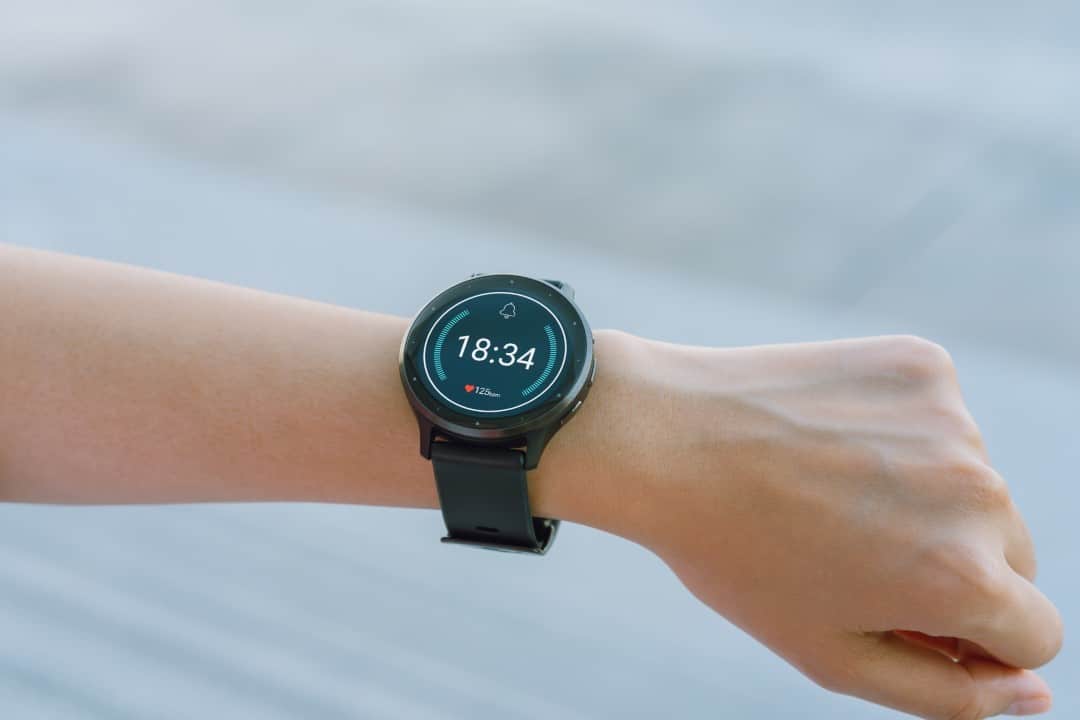
In this scenario, the ability to accurately monitor physical activities, combined with improved bioactive sensors, has become a standard demanded by the public. Funcionalidades as integrated GPS for outdoor running, continuous blood oxygenation (SpO2) monitoring and contactless payments (NFC) are increasingly common across different price ranges.
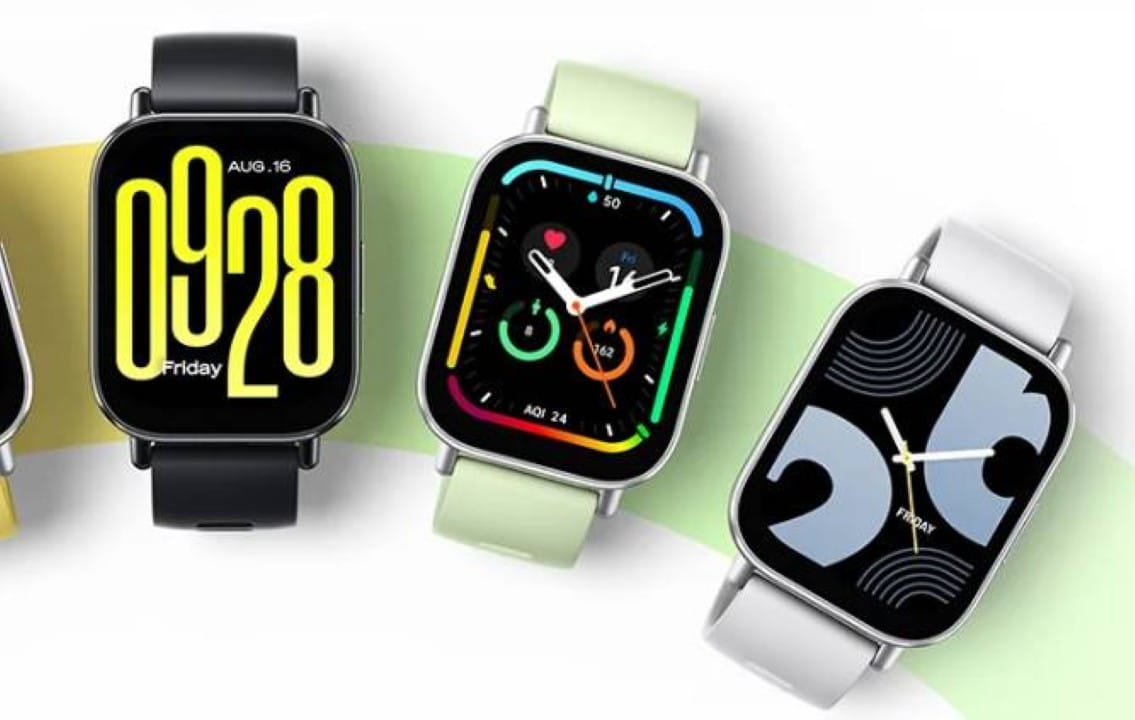
Companies like Samsung, Apple, Xiaomi and Amazfit consolidate their positions with releases that refine the user experience. Innovations range from optimizing operating systems for greater fluidity to incorporating artificial intelligence to provide personalized insights into health and physical performance, making choosing the ideal device an analysis of priorities and ecosystem.
Main features sought by consumers
The accuracy of health sensors is one of the main decision factors. Current Modelos offer detailed sleep monitoring, identifying light, deep and REM phases, in addition to monitoring stress levels throughout the day based on heart rate variability. Esses data is compiled in applications that help the user better understand their habits.
Battery autonomy emerges as a crucial competitive differentiator. Enquanto some premium models require daily recharges, several options on the market already promise weeks of use on a single charge, an attraction for those looking for practicality and don’t want to worry about constantly charging another device.
For those who practice physical activities, the quality of the integrated GPS is non-negotiable. The ability to track running, cycling or trail routes independently of your smartphone gives you freedom and precision. Além Furthermore, the variety of pre-configured sports modes allows detailed monitoring of specific metrics for each type of exercise.
Integration with the user’s smartphone ecosystem also weighs in the choice. The fluidity with which notifications are displayed and responded to, access to voice assistants and compatibility with third-party applications are elements that define a satisfying and connected user experience.
Samsung bets on integration with the Galaxy ecosystem
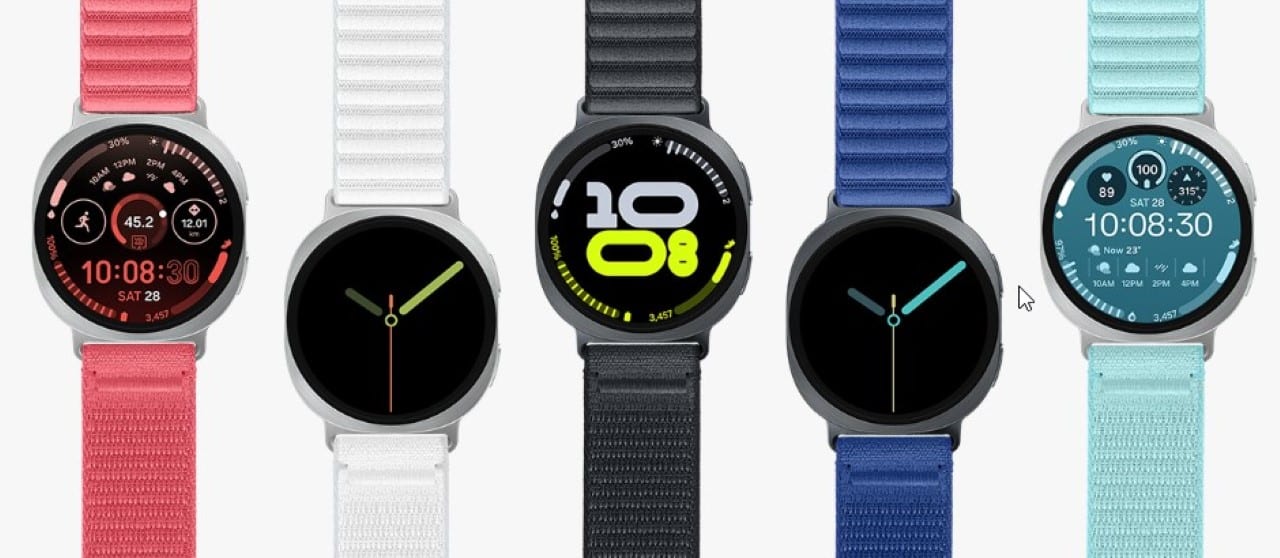
The Samsung Galaxy Watch 7 remains one of the most solid choices for users of the Android system, especially those already immersed in the Galaxy ecosystem. The device stands out for its deep integration with the brand’s smartphones, powered by Galaxy AI features that offer personalized training suggestions and intelligent responses to notifications directly from your wrist. Equipado with the efficient Exynos W1000 processor, its battery can reach up to 40 hours of moderate use, and it is available in 40 mm and 44 mm sizes to adapt to different wrists. Funções advanced features such as electrocardiogram (ECG) and payments via NFC complement the package.
For outdoor and extreme sports enthusiasts, the Samsung Galaxy Watch Ultra raises the bar for strength and functionality. Sua Robust titanium construction and AMOLED screen protected by sapphire crystal ensure durability in extreme conditions and excellent visibility in bright sunlight. Dual-frequency GPS offers maximum accuracy in tracking complex routes, while the extended battery life exceeds 48 hours even with continuous monitoring. Recursos features such as body composition analysis and energy measurement provide detailed data for athletes looking to optimize performance.
Apple Watch SE as a gateway to iOS
Representing the most affordable entry point into the Apple wearables ecosystem, the third-generation Watch SE offers a remarkable balance between price and features. Ele maintains the essential sensors that have established the line, such as fall detection, irregular heartbeat monitoring and blood oxygen measurement. With an updated processor, its performance approaches that of more expensive models, ensuring a fluid experience. Seamless integration with iPhone allows for use of the Siri, snappy notifications and access to a wide range of health and fitness apps, making it the ideal choice for iOS users looking for their first smartwatch.
Xiaomi and Redmi: autonomy and price champions
The Redmi Watch line, from Xiaomi, continues to stand out for its unbeatable value for money. The Redmi Watch 5
Its main difference, however, is the battery life, which can reach an impressive 18 days in basic use mode. Isso eliminates the need for frequent refills, a great attraction for those with a busy routine.
The Redmi Watch 6 represents an advance in terms of system and connectivity. Ele comes equipped with the new HyperOS, which guarantees a more fluid and intuitive interface. Além Furthermore, the inclusion of calls via Bluetooth and independent GPS makes it a more autonomous and complete device for everyday life.
Amazfit consolidates with Bip and Balance
The Amazfit Bip 6 was designed with a clear goal: to maximize battery life. Este model can exceed 14 days of typical use, a feat achieved thanks to a highly optimized operating system and a transflective screen that consumes little power and improves readability in sunlight. Ele tracks more than 120 physical activities and its lightweight, discreet design makes it ideal for continuous use.
On the other hand, the Amazfit Balance focuses on combining elegant design with cutting-edge technology. Sua aluminum case houses the advanced BioTracker sensor, which provides accurate heart rate and stress data. The model also stands out for its integration with the Alexa voice assistant, offline maps and a “physical readiness” analysis, which indicates how prepared the user’s body is for a new day of activities.
The importance of system compatibility
Choosing a smartwatch is intrinsically linked to the user’s smartphone. Modelos like the Samsung Galaxy Watch 7 and Apple Watch SE offer their best performance when paired with devices from their respective ecosystems, Android and iOS, respectively. Essa synergy unlocks exclusive features and ensures flawless communication between devices.
In contrast, brands like Xiaomi and Amazfit take a more universal approach. Seus devices are designed to work well with both Android and iOS, offering flexibility that appeals to consumers who don’t want to be locked into a single hardware ecosystem or who may switch phones in the future.
The future of wearables and artificial intelligence
The smartwatch market in 2026 demonstrates a clear evolution towards personalization through artificial intelligence. Devices are becoming more than just data collectors; they now act as true healthcare assistants, using algorithms to interpret metrics and provide actionable insights. AI analyzes sleep patterns, stress levels and workout data to provide personalized recommendations that help users proactively improve their well-being. Essa trend is visible in high-end models, which already offer training readiness reports and recovery suggestions. At the same time, the industry is advancing in research into non-invasive sensors, with prototypes capable of measuring glucose and blood pressure appearing in laboratories. Embora Not yet available on a large scale, these technologies point to a future where the smart watch will be an even more central tool in continuous health monitoring, transforming prevention and personal care.