
Toyota and Daihatsu reveal new Raize Space and Rocky Space 7-seat hybrid SUVs for families

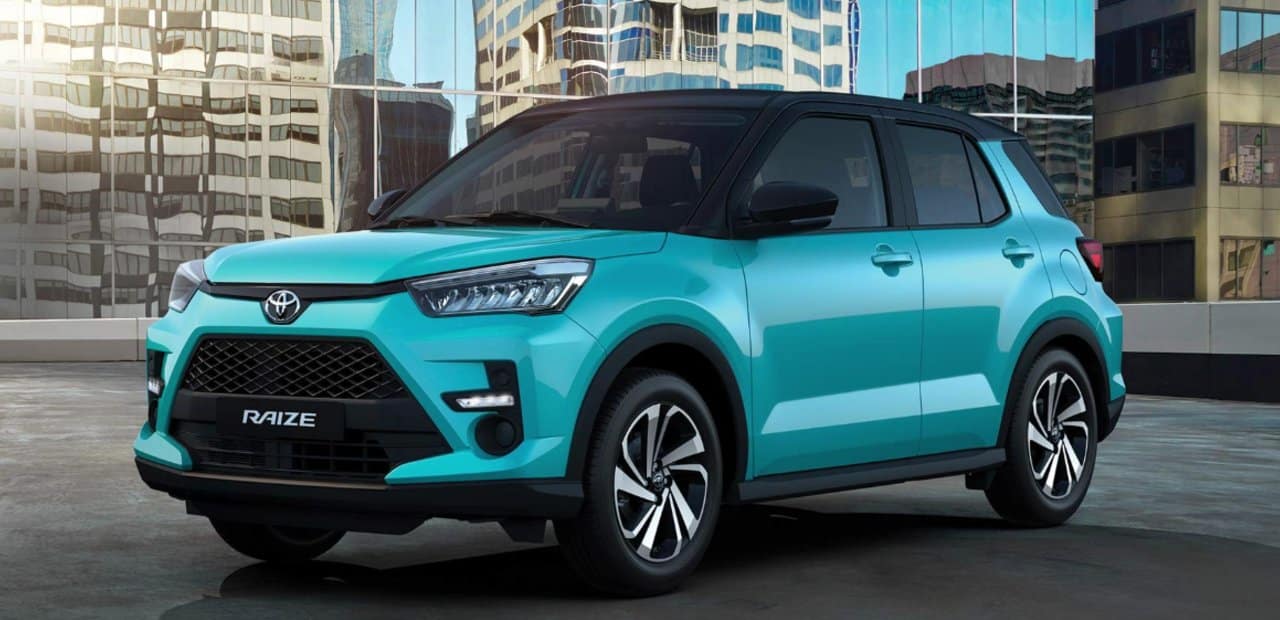
The strategic alliance between Toyota and Daihatsu moves into a new segment with the preparation of two new seven-seater compact SUVs. The models, provisionally named Raize Space and Rocky Space, are developed to meet the growing demand of families looking for versatile, spacious and efficient vehicles, combining the practicality of a third row of seats with the popular body of a sports utility vehicle.
These launches mark a significant expansion of the DNGA (Daihatsu New Global Architecture) platform, which already serves as the basis for five-seat models. The main modification will be the lengthening of the body, allowing the inclusion of two additional seats and considerably expanding the cargo space when not in use, making the vehicles direct competitors to compact minivans in Asian markets.
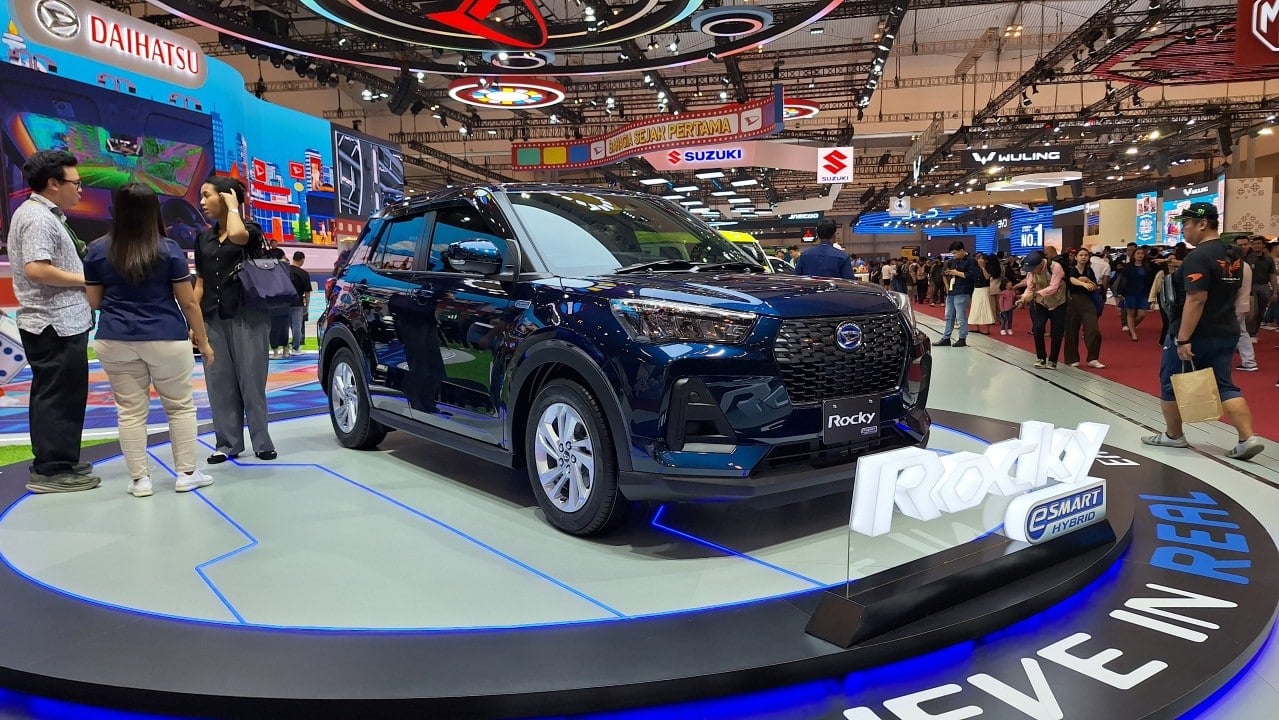
The engine will be one of the biggest attractions, with a focus on the e-Smart hybrid system, which prioritizes energy efficiency and smooth driving. The expectation is that the new SUVs will offer a robust and modern alternative for consumers who, until then, had traditional minivans as their main option to transport up to seven occupants.
Enlarged platform and dimensions
To enable the seven-seat configuration, the structure of the new Raize Space and Rocky Space will be extended. The total length of the vehicles should increase from the current 3,995 mm to approximately 4,400 mm, an increase of around 40 centimeters.
This change is crucial not only to install the third row of seats, but also to ensure a functional trunk when all seats are in use. The width, in turn, must be maintained at 1,695 mm, which allows the models to fit into the compact car category in the Japão, guaranteeing tax benefits and ease of maneuvering in urban centers.
The e-Smart Hybrid system highlighted
The main technological focus of the new SUVs is the e-Smart Hybrid propulsion system. Trata is a series hybrid system, in which a 1.2-liter, three-cylinder gasoline engine functions exclusively as a power generator to charge the battery.
Wheel traction is carried out solely by a high-efficiency electric motor. Essa configuration provides instantaneous and linear acceleration, similar to that of a 100% electric vehicle, in addition to optimizing fuel consumption, as the combustion engine always operates in its most efficient rotation range.
The electric motor responsible for moving the vehicle delivers an estimated power of 110 horsepower and a torque of 17.3 kgfm, figures that guarantee agility in urban traffic and safety when overtaking on the highway. Além of the hybrid version, an option equipped only with the 1.2 gasoline engine and CVT transmission should also be offered as an entry-level alternative.
Versatility and internal space
The big difference between the Raize Space and Rocky Space models will be the internal arrangement in the 2+3+2 configuration. The design was designed to maximize flexibility, allowing the third row of seats to be easily folded.
When the last two seats are not in use, they can be folded down to create a wide, flat load surface, transforming the SUV into a five-seater with a generous trunk.
This adaptability is essential for the target audience, which includes families with small children who need space for luggage, strollers and everyday purchases.
Access to the third row was also a point of attention in the project, with solutions to facilitate passenger entry and exit, even in tight spaces.
Renovated exterior and interior design
Although based on existing models, the new seven-seater SUVs will feature a distinctive design, especially at the rear. Para To accommodate the extra space, the rear will have a more vertical and elongated design, with a less inclined roof, which optimizes head space for occupants in the last row.
The front end can also receive subtle updates, such as a new grille and bumpers, to create its own visual identity. The sides will be marked by an extended wheelbase and a larger rear door, facilitating access to the interior. Internamente, a finish focused on durability and practicality is expected, with multiple storage compartments and easy-to-clean materials, features valued by intense family use.
Market positioning and competition
The launch of the Raize Space and Rocky Space models represents a strategic move by the Toyota and the Atualmente, this niche is dominated by minivans like the Toyota Sienta and the Honda Freed. By offering an alternative with the adventurous look and higher driving position of an SUV, automakers seek to attract an audience that desires the versatility of seven seats, but prefers a more robust and modern style. The strategy aims to capitalize on the global popularity of SUVs, combining this trend with the practical need for space. Success will depend on a competitive price positioning in relation to direct rivals, in addition to a campaign that highlights the benefits of the hybrid system and internal flexibility as clear differentiators. The collaboration between the two companies makes it possible to optimize development and production costs, making vehicles more affordable and accelerating their arrival on the market.
Launch and estimated prices
The new Toyota Raize Space and Daihatsu Rocky Space are expected to be officially launched on the Japanese market between the end of 2026 and the beginning of 2027. Estimated prices start at approximately 2.35 million yen for the combustion version and can reach 2.90 million yen for the most complete e-Smart hybrid configuration.



