
Volkswagen’s offensive with Polo and T-Cross threatens Fiat’s historic leadership in the Brazilian market

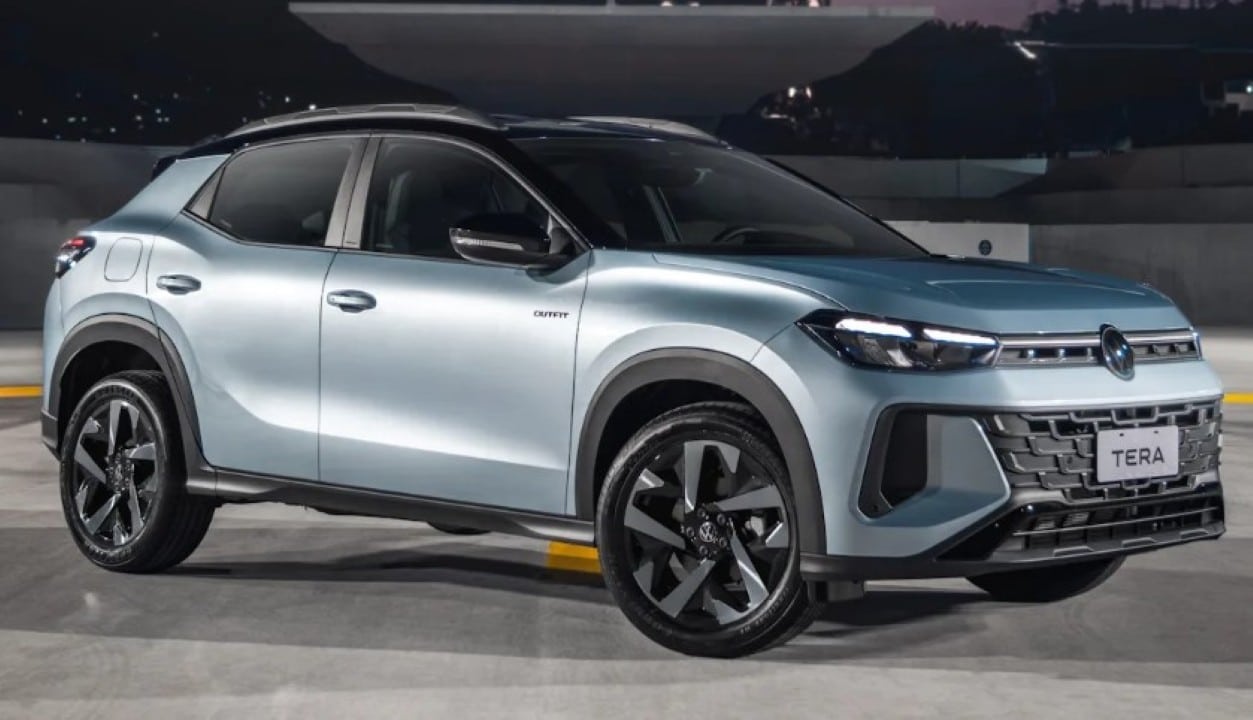
The consolidated hegemony of Fiat in the Brazilian vehicle market faces one of its biggest recent challenges. An aggressive strategy by Volkswagen, focused on the sales success of the Polo hatch and the T-Cross SUV, has caused a reconfiguration in the dispute for consumer preference and brought the two German and Italian giants closer in market share.
In recent months, the German automaker has intensified its production and marketing campaigns, resulting in significant growth that directly threatens the position that Fiat has maintained for years. The fight for leadership, previously concentrated in specific segments, now spreads across almost all volume categories, from entry-level cars to compact sports utility vehicles.

This fierce competition reflects not only a change in automakers’ strategies, but also a change in the profile of the Brazilian consumer, who increasingly seeks technology, safety and energy efficiency, forcing brands to constantly innovate in their portfolios to maintain relevance and attract new customers.
The rise of Volkswagen Polo
The main vector of the Volkswagen offensive is the Polo. The model took the lead among the best-selling passenger cars in the country, a position that for a long time was occupied by direct competitors. The brand’s strategy of offering a diversified portfolio for the hatchback, ranging from the entry-level version Track, spiritual successor to the Gol, to the sporty GTS, proved to be extremely effective.
With this range of options, the Polo can meet different consumer profiles, from those looking for a functional and economical vehicle for everyday life to those who want more performance and technology. The combination of TSI engine, good level of equipment and competitive price solidified its position at the top of the ranking.
T-Cross dominates the SUV segment
In the hottest segment of the national market, compact SUVs, Volkswagen also celebrates an important victory with the T-Cross. The model has established itself as the best-selling sports utility vehicle in the Brasil, surpassing strong rivals such as the Hyundai Creta and the Chevrolet Tracker. The success of the T-Cross is attributed to a combination of modern design, versatile interior space, a wide list of safety equipment and, most importantly, the efficiency of its turbo engines. The VW Play multimedia center, developed in the Brasil, has become a major differentiator, attracting a younger, more connected audience that values technological integration. The model’s recent visual and content update further reinforced its attributes, ensuring that it remains a reference in the category and a fundamental pillar for the brand’s growth in the country, contributing to a robust and consistent sales volume month after month.
Fiat’s defense strategy
Despite the pressure, Fiat does not remain inert and has a solid portfolio to defend its position. The Italian brand’s main strength remains the Strada pickup truck, which not only leads its category handily, but frequently ranks as the Brasil’s best-selling vehicle overall, outperforming all passenger cars and SUVs.
In addition to the Strada, the Fiat is investing heavily in its own line of sports utility vehicles. The Pulse, with its bold design and entry-level SUV proposal, and the Fastback, which innovated by bringing the coupe SUV style to a more accessible segment, guarantee the brand’s relevant participation in this crucial category.
The automaker also maintains a strong presence in the entry-level segments with models such as the Mobi and the Argo. Although Embora has lost some of its prominence to Polo, both continue to record impressive sales figures, especially in direct sales to companies and rental companies, which helps to sustain the total volume of Fiat.
The national automotive market scenario
The dispute between Fiat and Volkswagen reflects a market in constant transformation. Fiat, which historically holds a share of more than 20% of sales, saw Volkswagen come dangerously close, with a share that already hovers around 16% and continues on an upward trajectory.
This competition is beneficial for the consumer, who now has access to more modern products and more attractive commercial conditions. The two brands are locked in a battle not only on prices, but also on technology offerings, security packages and financing plans.
Other competitors, such as General Motors and Hyundai, are closely watching this fight. GM, with the success of Onix and Tracker, and Hyundai, with the strength of HB20 and Creta, also play important roles and can benefit from any slip-up by the leaders.
Market dynamics are also influenced by factors such as production capacity, distribution logistics for the dealership network and the agility in adapting vehicles to the new emissions and safety requirements of the Proconve.
New launches and the future of the dispute
The future of this competition will be defined by the next releases. The Volkswagen is preparing a new wave of investments for the Brasil, which includes the production of an entry-level SUV, positioned below the Nivus, to occupy the space left by the Gol and compete directly with the Fiat Pulse. Electrification is also on the brand’s radar, with the promise of locally developed hybrid-flex models, which could represent a new competitive differentiator.
In turn, Fiat seeks to expand its operations in segments where it does not yet have a strong presence. The launch of the Titano mid-size pickup truck is a clear example of this strategy, aiming to compete with models such as the Toyota Hilux and Chevrolet S10. Atualizações in its current portfolio, including the introduction of new technologies and engines, are also expected to keep its products attractive and contain the advance of German competition.
Factors that influence consumer decision
The Brazilian consumer’s final purchasing decision is influenced by a complex equation that involves price, design, fuel consumption, maintenance cost and resale value. Atualmente, elements such as a modern and intuitive multimedia center, the presence of active safety items and the perception of mechanical robustness gained significant weight, making the dispute even more detailed and fierce between the automakers.



