
Brazilian tool PS2Recomp revolutionizes running PlayStation 2 games directly on Windows

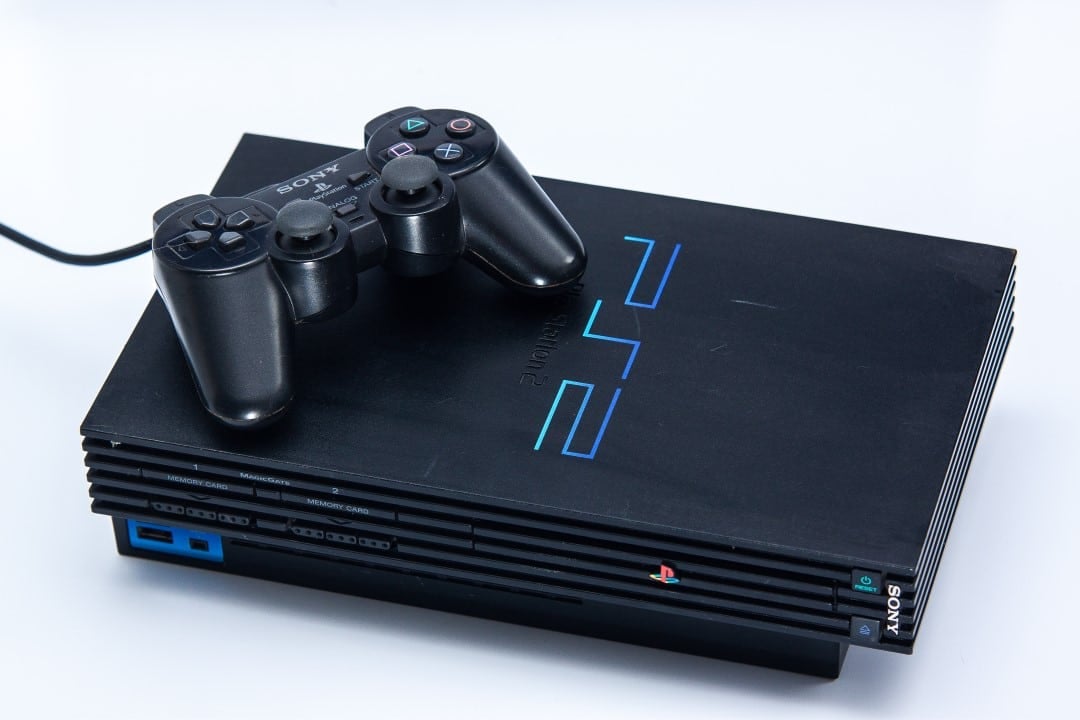
An innovative initiative led by Brazilian programmer Ranieri Alfas is changing the way classic PlayStation 2 games can be played on computers. The project, named PS2Recomp, proposes an alternative to traditional emulators, allowing games to run natively on the Windows operating system, which promises a considerable increase in performance and stability.
Available as an open source project on the GitHub platform, PS2Recomp uses a technique known as static recompilation. Este method converts the original code of console games to the C++ programming language, generating an executable file that the computer can understand directly, eliminating the simulation layer that consumes a lot of system resources.
PS2 GAMES RUNNING NATIVELY ON PC WITHOUT EMULATION!
PS2Recomp, a project created by a Brazilian, which uses static recompilation to convert PS2 binaries into C++ code, allowing native versions of games on PC.
PROJECT IS NOT READY, but the work has started!pic.twitter.com/LblIGHIGHg
— Senhor Linguica (@SenhorLinguica)January 26, 2026
The first demonstrations already indicate a promising future for the technology, showing iconic titles from the Sony console operating smoothly on PCs. The approach not only improves the gaming experience, but also presents itself as a fundamental tool for the long-term preservation of the vast catalog of one of the most popular video games in history.
How static recompilation works
The main difference between PS2Recomp and emulation software, such as the popular PCSX2, lies in the way the game code is processed. A traditional emulator works in real time, constantly interpreting and translating instructions from PlayStation 2 hardware, such as its Emotion Engine processor, to PC hardware. Esse continuous process of “simultaneous translation” requires a large processing capacity and memory, which often results in performance problems, such as drops in frames per second, graphical glitches and delays in commands (input lag). In essence, the emulator creates a layer of software that simulates the console, generating unavoidable overhead. In contrast, the static recompilation proposed by PS2Recomp performs this code translation only once, before execution. The tool analyzes game binaries and rewrites them in C++, a format that can be compiled to generate a native Windows executable. Dessa way, when starting the game, the computer is no longer simulating old hardware, but rather running a program optimized for its own architecture, resulting in a much more efficient and direct execution.
Technical advantages over traditional emulators
The native execution provided by PS2Recomp opens up a range of possibilities for optimizations that are complex or unfeasible in emulators. By modernizing the game code to C++, it becomes simpler to integrate contemporary features directly into the program. Isso includes native support for high resolutions, such as 4K, and widescreen aspect ratios, without the need to apply filters or hacks that often cause visual distortions or user interface issues.
Another significant benefit is the ease for the modding community. Applying high-definition textures, implementing modern control systems, and fixing original game bugs become more accessible and stable processes. Adicionalmente, input latency is drastically reduced, as the player’s commands are processed directly by the system, without the middle layer of emulation, which ensures more agile and accurate gameplay.
A milestone for preserving the legacy of the PS2
The PlayStation 2, launched in 2000, is the best-selling console of all time, with more than 160 million units and a library of more than four thousand titles. Muitos of these games, including cult classics and niche productions, have never been re-released for other platforms.
As the years go by, original hardware becomes increasingly rare and susceptible to failure, while physical media such as DVDs degrade. Esse scenario puts the survival of an important part of the cultural history of video games at risk.
Projects like PS2Recomp are crucial for digital preservation, as they create versions of games that are independent of the original hardware. Isso ensures that future generations of players, developers and researchers can continue to access and study these works.
The future of the project and technical challenges
Currently, PS2Recomp is in the experimental phase, with development focused on expanding compatibility with all instructions of the console’s complex processor. The goal is also to support the various system libraries that the games used.
The speed of progress is directly linked to the engagement of the open source community. Collaboration from volunteer developers is vital to testing compatibility across a wide range of games.
The path to broad compatibility, however, presents significant obstacles. Reverse engineering to cover all instructions of the Emotion Engine and its coprocessors is a painstaking and time-consuming task.
Additionally, many games use very specific hardware functions or custom libraries that need to be recreated from scratch in the new execution environment, requiring in-depth technical knowledge of the PS2 architecture.
Potential for expansion to other platforms
One of the most promising features of PS2Recomp is its cross-platform nature. Como the tool converts game code to C++, a universal standard in programming, recompiled titles are not limited to Windows.
With the appropriate adaptations in the compilation process, it will be possible to create versions that run natively on other operating systems, such as Linux, and even on mobile platforms, such as Android, further expanding access to these classics.
First public demonstrations
The initial results already demonstrate the great potential of the tool. Alguns less complex PlayStation 2 titles are already running directly on the Windows through PS2Recomp, serving as a working proof of concept.
These demonstrations have been instrumental in attracting the attention and collaboration of more developers and enthusiasts in the retrogaming and game preservation scene, driving the project’s evolution.
The importance of community collaboration
The success of PS2Recomp depends heavily on community participation. The collaborative dynamics, inspired by similar projects such as N64Recomp, which applied the same technique to Nintendo 64 games, is the engine that drives the tool’s evolution.
Contributors can help in a variety of ways, from reporting bugs and testing the compatibility of different games to developing new features and optimizing existing code. Esse collective effort is essential to map and recreate the particularities of each game, accelerating progress towards more comprehensive compatibility with the console’s immense library.



