
How much do I spend to maintain BYD Dolphin Mini electric car with tire recharge and annual inspections

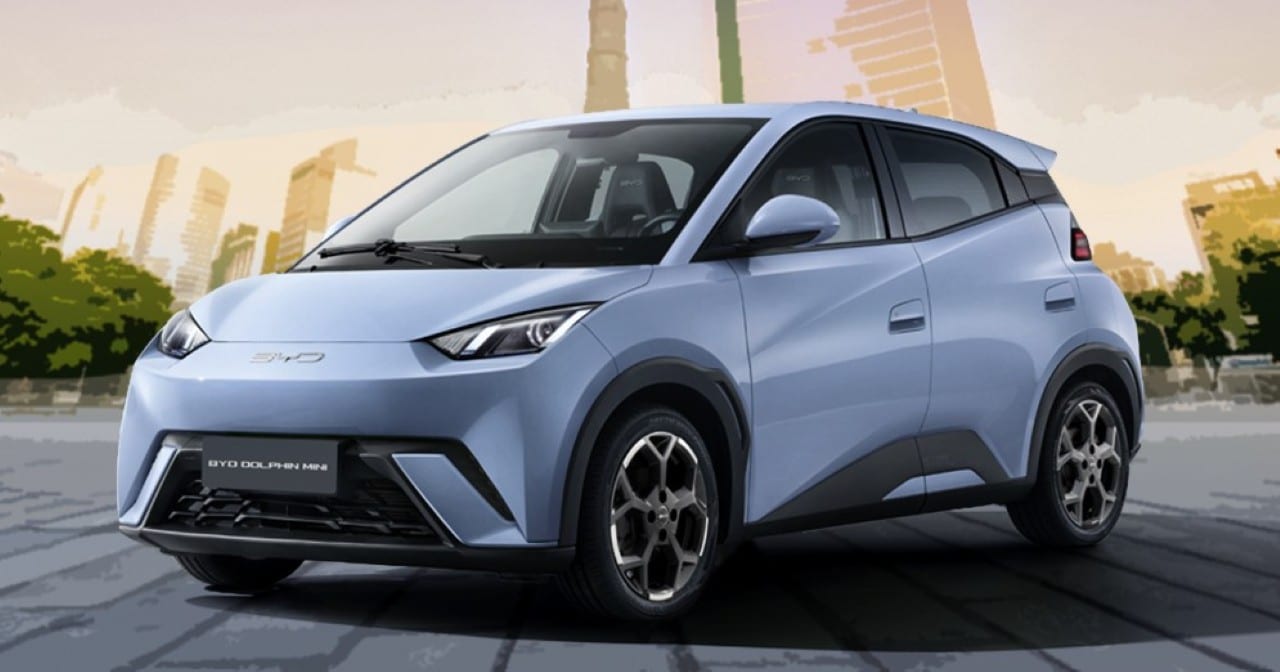
The BYD Dolphin Mini consolidates its position as one of the most affordable electric cars on the Brazilian market in 2026. The analysis considers energy recharging, inspections, tires, insurance and tax incentives for a typical scenario of 12 thousand kilometers driven per year.
Residential recharge represents the main point of financial advantage. The model records an average consumption of around 15 kWh for every 100 kilometers, which results in annual expenditure of approximately R$1,300 to R$1,800, depending on the local electricity tariff.
Other items such as insurance and tire changes increase the total value, but simplified inspections and tax benefits in several states offset part of these expenses. The overall balance points to the competitiveness of trams in everyday urban life.
Residential recharge and energy consumption
Electrical energy forms the basis of the BYD Dolphin Mini’s operating economics. With an average efficiency of 15 kWh per 100 kilometers, the vehicle requires around 1,800 kWh annually to travel 12 thousand kilometers. Residential Tarifas vary between R$0.70 and R$0.90 per kWh in different regions of the country.
Many owners choose to recharge during the early hours of the morning to take advantage of lower rates at times of low demand. Essa practice reduces the effective cost and makes spending even more predictable compared to fossil fuels.
Periodic inspections and basic maintenance
BYD Dolphin Mini inspections occur every 20,000 kilometers or annually, with values much lower than those for combustion vehicles. The brand’s official plan provides for inspections of electrical systems, brakes and suspension, without the need for oil changes or complex filters.

Annual costs are around R$600 to R$900 in the authorized network. Proprietários report that interventions are limited to preventive checks and occasional changing of the cabin air filter.
The simplicity of the electric motor reduces the number of moving parts and minimizes common mechanical failures. Essa characteristic helps keep expenses low over the years.
Tire change and durability
The BYD Dolphin Mini’s tires wear faster than average due to the instantaneous torque of the electric motor. Muitos owners change the complete set between 20 thousand and 30 thousand kilometers, depending on driving style and type of route.
The average cost of a set is between R$1,800 and R$2,400. Para who drives 12 thousand kilometers per year, the exchange takes place every two years, diluting the expense to around R$900 to R$1,200 per year.
- Regular rotation every 10 thousand kilometers;
- Preventive alignment and balancing;
- Smooth driving without sudden accelerations;
- Choose tires from recognized brands with suitable compounds.
These measures help to extend the useful life and control the budget.
Insurance and driver profile
Insurance represents the largest item in the annual cost of the BYD Dolphin Mini. Average Valores range between R$4,000 and R$6,500, influenced by the price of imported parts and the newness of the model in the Brazilian insurance market.
Some companies offer promotional conditions or discounts for electric vehicles. The driver’s profile, such as age, gender and driving history, directly impacts the final quote.
Metropolitan regions record higher premiums due to the risk of theft and collision. Comparado for combustion hatchbacks of the same size, electric car insurance is still more expensive in most cases.
Tax incentives by state
Several Brazilian states grant exemption or reduction of IPVA for electric vehicles in 2026. The benefit reaches 100% in units such as Distrito Federal, Maranhão, Pernambuco and Rio Grande of Norte.
Other regions apply partial discounts or specific conditions, such as purchasing from local dealerships. Esses incentives represent additional savings of hundreds to thousands of reais annually.
- District Federal: total exemption;
- Pernambuco: total exemption;
- Maranhão: total exemption;
- They are Paulo: partial reduction for flex hybrids;
- Minas Gerais: requirement for local production for full benefit.
The complete list varies depending on current state legislation.
Public charging infrastructure
The network of public chargers is growing on the country’s main highways and urban centers. Fast Pontos allow recharging in less than an hour, but the cost per kWh is usually higher than residential.
For exclusively urban use, most owners rely on recharging at home. Viagens long films require prior planning due to the still limited coverage in inland areas.
General balance of annual costs
Adding up all the items, the annual cost of maintaining a BYD Dolphin Mini varies between R$6,500 and R$9,500 in an average scenario. Savings on energy and maintenance offset the higher insurance and tire prices in most cases.
Compared to combustion hatchbacks of similar size, electric vehicles have a financial advantage after the first few years. The battery’s durability, guaranteed for eight years by the manufacturer, reinforces long-term viability.
The model is well suited to those who prioritize urban use and have a residential charging point. The expansion of infrastructure and greater competition should make costs even more affordable in the coming years.
Additional benefits in everyday life
Owners highlight exemption from municipal rotation in cities such as São Paulo. The silent ride and immediate acceleration improve the daily experience without a direct impact on the budget.
The absence of local emissions contributes to the reduction of urban pollutants. Esses aspects add indirect value to the choice of the electric model.



