
HyperOS 3 global update with advanced AI arrives for more than 20 Xiaomi and Redmi cell phones

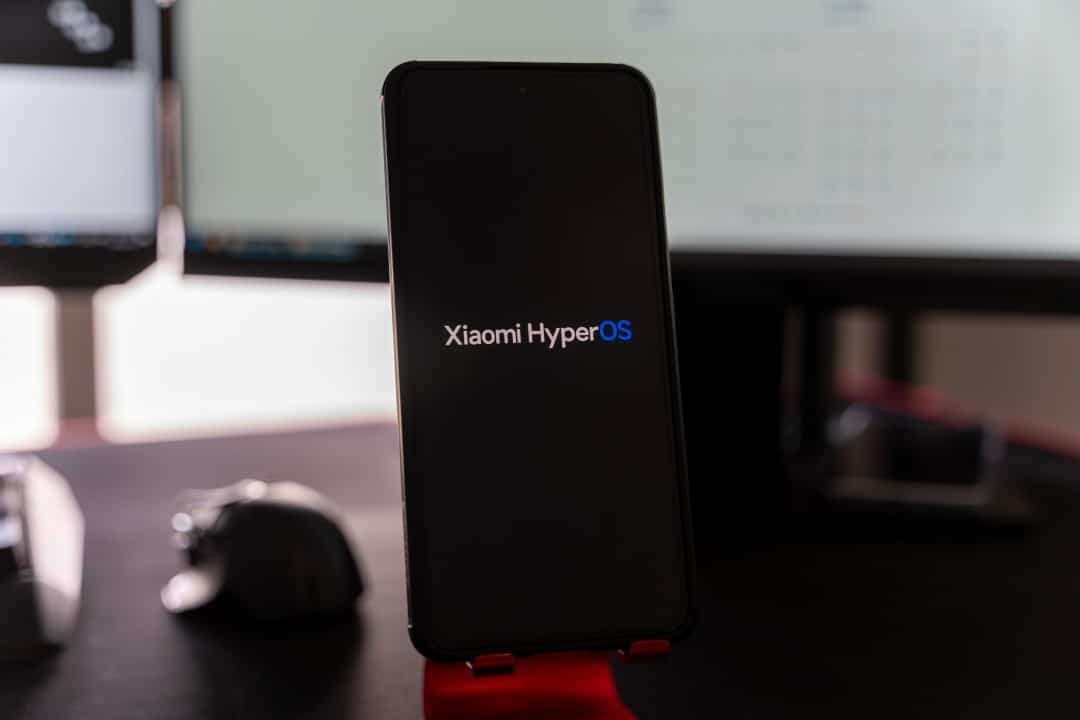
Xiaomi has begun large-scale distribution of its new operating system, HyperOS 3, to an expanded set of devices around the world. The update, which in many models is based on the Android 16, is being released gradually and includes more than twenty smartphones from the Xiaomi and Redmi lines, including both recent flagships and popular intermediaries. The main focus of the new version is to improve performance, integrate advanced artificial intelligence features and strengthen connectivity within the brand’s ecosystem.
The update process, which began in the last months of 2025, gains strength at the beginning of 2026, with the availability of global versions for the devices, including the Brazilian market. Usuários of eligible models are receiving notifications via OTA (Over-the-Air) to perform the installation. The company’s strategy aims to ensure a stable and optimized transition for all user profiles, from those with the most powerful devices to those with intermediate models.

The new interface promises a more fluid and intelligent user experience, with deep optimizations in system resource management. The expectation is that HyperOS 3 will not only introduce new features, but also extend the useful life of older devices by offering lighter and more efficient software, aligned with current security and performance demands.
Key improvements and new features
HyperOS 3 stands out for a series of significant improvements compared to its previous versions. The user interface has been redesigned to offer smoother animations and faster transitions, making it feel more agile in everyday use. Além Additionally, Xiaomi claims that power management has been optimized, resulting in battery savings of up to 15% in internal testing, a crucial benefit for heavy users.
In the field of artificial intelligence, the operating system now natively integrates advanced tools. Entre them, an image editing assistant capable of removing unwanted objects and applying improvements with a single touch, as well as contextual suggestions that adapt to the user’s habits.
Connectivity between devices has also been improved, simplifying file transfer and screen mirroring between the brand’s smartphones, tablets and notebooks. Essa integration aims to create a more cohesive and functional ecosystem for those who use multiple Xiaomi products.
Global rollout phases
The distribution of HyperOS 3 follows a strategic schedule to ensure system stability on different hardware. The first wave of updates, starting in October 2025, was aimed at the latest models in the Xiaomi 15 line, which served as pioneers in the adoption of the new platform.
This initial phase allowed the company to collect valuable feedback and fine-tune before mass expansion. Nos following months, November and December, the update began to arrive for devices in the Xiaomi 14 series and for some selected models from the popular Redmi Note line.
This second phase considerably expanded the user base, covering both the high-end segment from the previous year and the premium intermediary segment. Starting in January 2026, the launch entered its most comprehensive phase, including an extensive list of mid-range devices and even some older models that still have official support.
Xiaomi confirmed that Brasil is in line with the global timeline, and local users should receive the update without significant delays compared to other regions of the world, consolidating the brand’s presence in the country.
Full list of eligible devices
Xiaomi officially confirmed a list of more than 20 devices capable of receiving HyperOS 3, covering a wide spectrum of its portfolio. The selection includes everything from the latest releases to models that have proven extremely popular over the last two years, ensuring that a large portion of your customer base has access to the latest developments. Entre the flagships, the update covers the entire Xiaomi 15 series, including the Ultra, Pro and standard versions. The previous generation is also fully covered, with the Xiaomi 14 Ultra, 14 Pro, 14 and T line variants, such as the Xiaomi 14T. Older but still very capable Modelos such as the Xiaomi 13 Ultra, 13 Pro and 13 are also on the upgrade schedule.
The Redmi line, known for its excellent value for money, has a strong presence on the list. Estão included models such as the Redmi K80 Pro and K80, in addition to the Redmi Note 15 Além of smartphones, the update extends to other products in the ecosystem. The POCO F6 Pro, one of the sub-brand’s high-performance models, will also receive HyperOS 3. In the tablet segment, the Xiaomi Pad 7 is confirmed. The company emphasizes that this list may be expanded in the future, as new compatibility tests are completed.
Artificial intelligence at the center of the experience
HyperOS 3 positions artificial intelligence not as an additional feature, but as a central pillar of the user experience. The system is powered by “Xiaomi AI Brain”, an AI engine that operates both in the cloud and locally on the device to offer personalized and proactive functionality, always with a focus on privacy. Funções that previously required third-party applications are now integrated into the system. The photo gallery, for example, has an intelligent cropping tool that identifies people and objects, allowing you to create stickers or move them in the scene with ease. AI is also capable of generating subtitles for videos in real time and transcribing audio recordings with high accuracy, directly on the device. Outro The highlight is the system’s ability to learn from an individual’s usage patterns, offering contextual suggestions that anticipate their needs. Isso can range from suggesting turning on “do not disturb” mode when arriving at work to recommending apps or contacts based on time and location, making smartphone interactions more intuitive and efficient.
Impact on performance and connected ecosystem
One of the main goals of HyperOS 3 is to optimize raw performance and energy efficiency. The operating system has been restructured to manage background processes more intelligently, freeing up CPU and RAM resources for active tasks. Isso translates into a more fluid multitasking experience, with fewer stutters and faster application openings, even on devices with intermediate hardware specifications. The optimization extends to storage, with a new file system that reduces fragmentation and keeps the device’s performance constant over time.
The update also solidifies Xiaomi’s connected ecosystem concept. The HyperConnect framework has been improved to make interaction between the brand’s different devices more transparent and instantaneous. Agora, it is possible, for example, to drag and drop files between a smartphone and a tablet with greater speed and stability, or answer a cell phone call directly on a Xiaomi notebook. Wearables, such as smart watches and bracelets, also benefit from more reliable and efficient synchronization of notifications and health data, creating a unified and cohesive wearing experience.
Recommendations for installing the update
To ensure a safe and smooth update process, Xiaomi recommends that users follow some important steps. Antes Before starting the installation, it is essential to perform a complete backup of all important data, such as photos, contacts and documents, to avoid any accidental loss.
It is also advisable that the update package, which can be considerable in size, is downloaded via a stable Wi-Fi connection and that the device has at least a 50% battery charge or is connected to the charger throughout the process.



