
Toyota RAV4 will have radical ‘hammerhead’ look and exclusively hybrid engines in the new generation


One of the most significant transformations for one of Toyota’s best-selling vehicles globally is in an advanced stage of development. The sixth generation of the RAV4 SUV is preparing to break with the current model, adopting an exclusively hybrid engine and an improved technological package, aiming to maintain its leadership in the competitive sports utility vehicle segment.
The strategic changes align the model with new market trends, which prioritize energy efficiency and a bolder design. The new RAV4 will completely abandon combustion engine options, focusing its efforts on conventional hybrid (HEV) and plug-in hybrid (PHEV) systems, reinforcing the brand’s commitment to the electrification of its portfolio.
Market information indicates that the official presentation of the model should take place at the end of 2025, with the start of sales in international markets, including the Brasil, scheduled for the first half of 2026. The new SUV is expected to establish a new technology and safety standard for the category.
A design inspired by the ‘hammer head’ concept
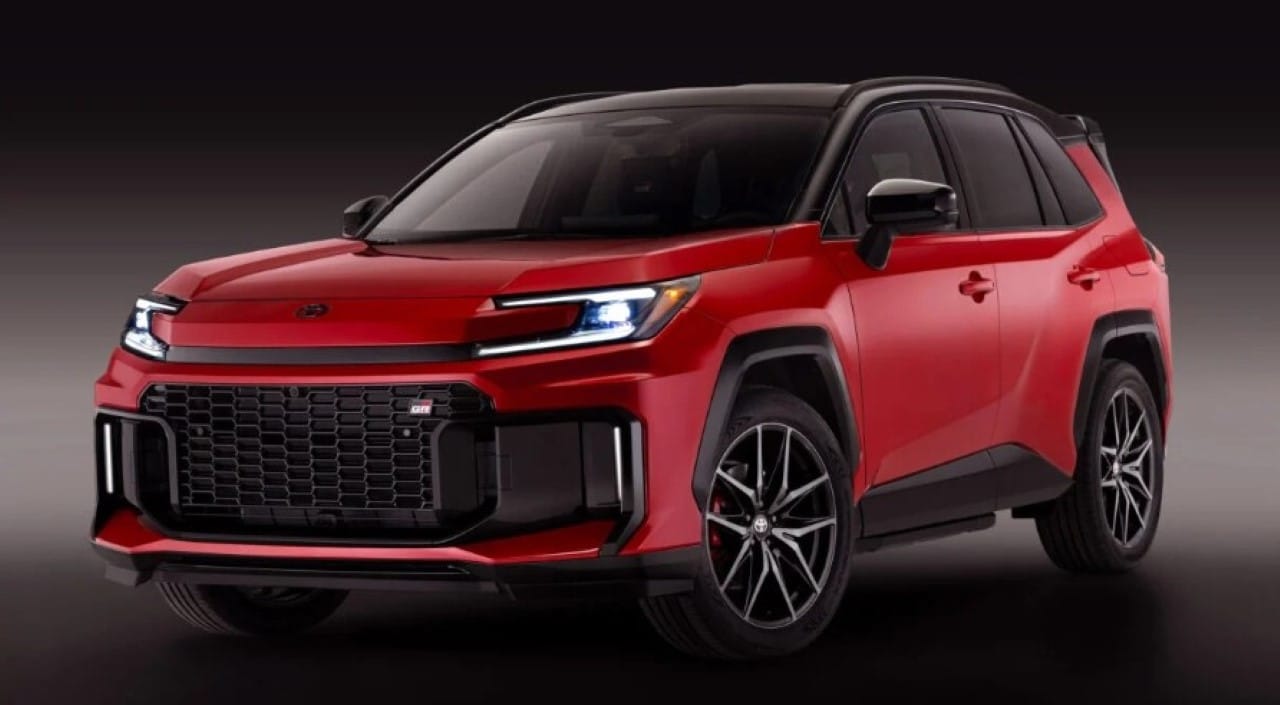
The main revolution of the new generation of the Toyota RAV4 will be in its appearance. The SUV will adopt the design language known as “hammer head”, already seen in recent launches from the brand, such as the Prius and the C-HR. Essa visual identity gives the vehicle a more modern and aggressive appearance.
The front will be completely redesigned, with “C”-shaped LED headlights integrated into a more discreet front grille and a robust bumper. Essa configuration not only updates the aesthetics, but also improves aerodynamics, contributing to reduced fuel consumption.
On the sides, the RAV4 is expected to gain more pronounced creases and wheel arches with a squarer design, reinforcing its vocation for mixed use. The rear will also receive special attention, with new interconnected LED lights and a cleaner, more sophisticated design.
This aesthetic change represents a bold step by Toyota, which moves away from the more conservative look of the RAV4 to attract an audience looking for an SUV with a strong personality and futuristic appearance, without giving up the reliability associated with the brand.
Technological interior focused on user experience
Internally, the cabin of the new RAV4 will undergo a complete modernization, with a focus on technology, ergonomics and quality of materials. The panel will be redesigned to accommodate a new multimedia center with a floating screen that, in the most complete versions, can reach 14 inches, offering a faster and more intuitive interface. The instrument panel will also be fully digital, allowing personalization of the information displayed to the driver. The Toyota will invest in soft-touch materials and more refined finishes to increase the perception of quality, bringing the SUV closer to models in higher segments. Connectivity will be a strong point, including wireless support for Apple CarPlay and Android Auto, as well as an induction charger for cell phones and multiple USB-C ports for passengers. Comfort will be improved with new seats that offer better body support on long journeys and superior acoustic insulation, reducing noise in the cabin. The new architecture will also benefit passive and active safety, with better visibility and positioning of key controls to keep the driver focused on the road.
Electrified motorization as standard
The sixth generation of the RAV4 will mark the end of exclusively combustion engines for the model. The Toyota will focus its offering on hybrid engines, reinforcing its electrification strategy. The entry-level version must use an evolution of the current package, which combines a 2.5 Atkinson cycle gasoline engine with electric motors, providing a more efficient delivery of power and torque.
This conventional hybrid engine (HEV) will be improved to offer more agile responses and even lower fuel consumption. The combined power should surpass the 226 horsepower of the current generation, ensuring agility both in the city and on the highway.
Plug-in hybrid option with extended range
For consumers looking for maximum efficiency and the possibility of running in pure electric mode, the Toyota will offer an improved plug-in hybrid (PHEV) version.
This model will have a higher capacity battery, which will allow an electric range of more than 100 kilometers on a single charge.
This autonomy will allow most users to carry out their daily journeys, such as going to and from work, without consuming a drop of fuel, using the combustion engine only on longer trips. The PHEV version will also stand out for its performance, being the most powerful in the range.
Improved TNGA platform for more comfort
The new SUV will be built on an updated version of Toyota’s global platform, the TNGA (Toyota New Global Architecture). Essa base has been reinforced to offer greater torsional rigidity, which translates into greater safety in the event of collisions and more precise and comfortable dynamic behavior.
Enhanced security with Toyota Safety Sense
Safety will be one of the pillars of the new generation RAV4. The vehicle will come equipped with the latest version of the driver assistance technology package, the Toyota Safety Sense. Este system has been improved with sensors and cameras of greater range and precision.
Features include the pre-collision system with detection of pedestrians, cyclists and motorcyclists, even in low light conditions, the adaptive cruise control (ACC) with stop and go function, and the lane keeping assistant with active centering, making driving on highways safer and less tiring.
Arrival forecast and market expectations
Toyota plans to officially present the sixth generation RAV4 at the end of 2025, with the launch in global markets taking place gradually throughout 2026.
By opting for a bold design and an exclusively hybrid engine, the new RAV4 is positioned to compete directly with other electrified SUVs, reinforcing its image as a technological, efficient product aligned with future demands for sustainable mobility.




