
Apple plans low-cost notebook to rival Chromebooks and boost global sales

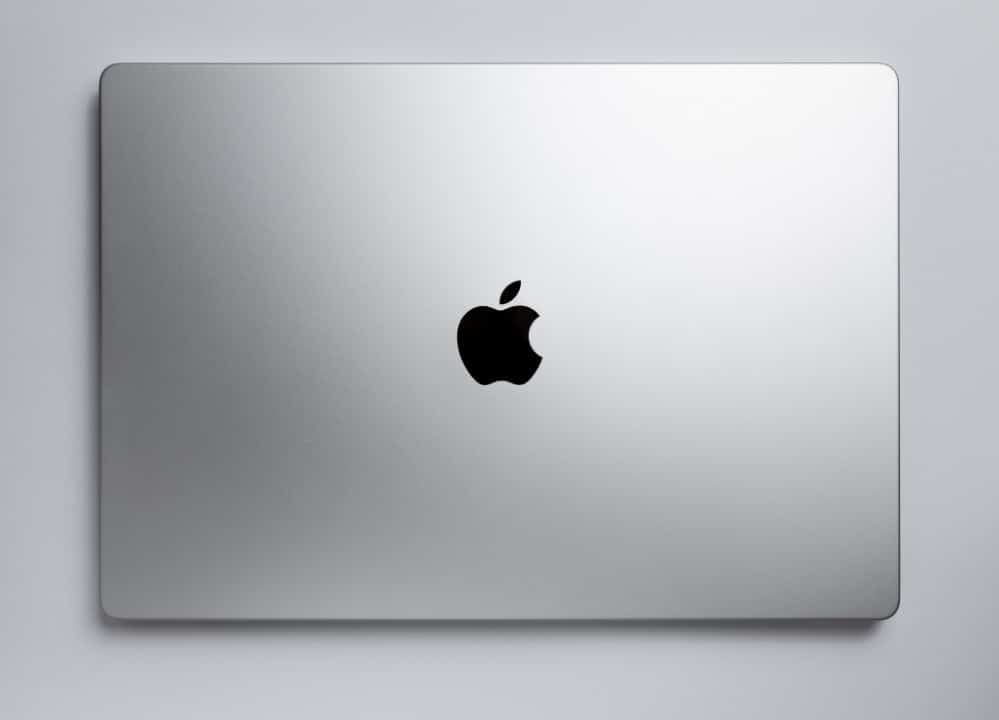
The technology giant is developing a new strategy to regain space in the school and corporate entry environment with new hardware. With a device designed to cost between 699 and 799 dollars, the company seeks to challenge the hegemony of competitors using the Google system and expand its user base through optimized equipment. The move aims to fill a historic gap in the brand’s portfolio, offering a more accessible gateway to the macOS ecosystem.
Market estimates indicate that this new model could be responsible for a significant share of the company’s sales. Analistas point out that the volume of shipments should vary between 5.5 million and almost 8 million units, which would represent approximately a quarter of all the brand’s computer sales in the projected period. Esse momentum is fundamental to the growth strategy in emerging markets and the education sector, where the price factor is decisive for large-scale adoption.

To enable cost reduction without sacrificing system fluidity, product engineering must adopt solutions shared with the smartphone line. The use of A series processors, such as the A18 Pro, instead of M family chips, allows significant savings in production. Além In addition, the initial configuration must have 8 GB of unified RAM memory, a specification that has become the industry standard due to restrictions in the global supply of memory components.
The industrial timeline suggests that mass production of components, including 13-inch screens, is already being adjusted to meet future demand. The commercial launch should occur in phases, consolidating the product’s presence on the shelves between the end of the year and the beginning of the next fiscal cycle. The supply chain undergoes rigorous adaptations to ensure that the final price to the consumer remains within the stipulated competitive range.
Strategy for the education sector
The main focus of this launch is the education market, currently dominated by low-cost devices running competing operating systems. Escolas and universities are looking for durable and safe equipment, characteristics that Apple intends to offer with this new model. Native integration with iPads and iPhones, devices already popular among students, serves as a robust competitive differentiator to convince educational managers to migrate platforms.
Unlike browser-based alternatives, the new notebook promises to offer a complete and robust operating system. The security architecture of macOS, coupled with the battery longevity provided by ARM architecture chips, creates a compelling value proposition for institutions looking to reduce long-term maintenance costs. The ability to run native editing and productivity applications without depending entirely on an internet connection is another strong point explored by the manufacturer.
Among the main attractions highlighted for this segment are the fluid integration with the brand’s ecosystem, ensuring immediate synchronization of files and tasks, and the extended software support, which ensures updates for several years. Além Furthermore, the resistance to malware and the availability of exclusive pedagogical tools reinforce the product’s positioning as a superior teaching tool to the disposable options available on the market.
Technical details and hardware adaptations
The choice of the A18 Pro chip demonstrates an intelligent adaptation of the company’s engineering resources. Embora Originally designed for cell phones, the processor has enough computing power to handle web browsing, text editing and video calls, which constitute the majority of tasks for a student or basic user. The screen maintains the brand’s characteristic visual quality, but with optimized manufacturing processes to reduce the final cost of the materials bill.
The design of the equipment follows the minimalist and portable philosophy, using lightweight materials that make it easy to transport in backpacks. The keyboard and trackpad must maintain the precision standard of the more expensive lines, ensuring that the user experience does not feel inferior. Connectivity will be focused on the essentials, prioritizing the use of USB-C ports for charging and data transfer, eliminating legacy interfaces that make assembly more expensive and take up internal space.
The crisis in the supply of DRAM memories also influenced technical specifications. With shortages driving up memory module prices, software optimization becomes the main weapon to deliver performance with 8GB RAM. The operating system is tuned to manage resources aggressively, ensuring that the computer responds quickly even with multiple tabs and applications open simultaneously.
Impact on the global computer market
The introduction of this model is expected to change the pricing dynamics in global laptop retail. Fabricantes of PCs with Windows and Chromebooks, which previously operated comfortably in the sub-$800 price range, will have to respond with hardware improvements or price adjustments. The entry of a premium player in the entry-level segment forces an increase in the general quality of products offered to the end consumer.
In the Estados Unidos, rapid adoption is expected by school districts looking to renew their equipment fleets. Já in markets like Europa and Ásia, the device should appeal to individual consumers who want an Mac but were previously held back by price barriers. The long-term loyalty strategy is clear: introduce the user to the operating system through an accessible model to, in the future, convert them to the Pro and Air lines.
Main keywords: entry-level MacBook, Apple, cheap notebook, educational sector.
Palavra-long-tail key: Cheap MacBook launch for students 2025.
Links searched: https://www.apple.com/mac/, https://9to5mac.com/, https://www.bloomberg.com/technology.



