
CXMT and YMTC advance memory market with more affordable prices in China amid global AI rally

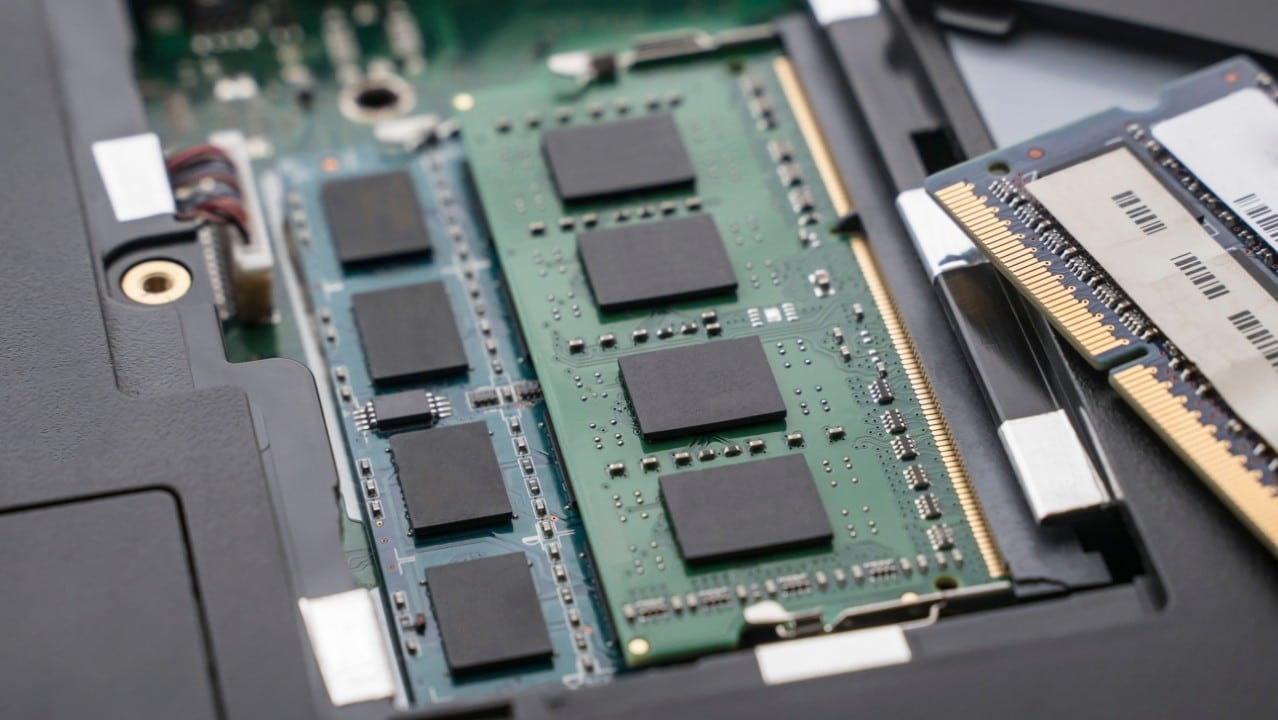
The global memory chip market is facing one of the biggest tensions in recent years. The demand for artificial intelligence has significantly increased the prices of DRAM and HBM modules, directly affecting consumer devices such as notebooks, smartphones and consoles.
In China, the scenery presents notable contrast. Empresas locations such as ChangXin
This difference stems from the worldwide prioritization of production for AI data centers. Grandes international manufacturers direct capacity towards high-bandwidth memories, reducing supply for the consumer segment.
Record high in global memory prices
DRAM prices recorded an increase of up to 90% in the first quarter of 2026 compared to the previous period. Esse movement reflects the strong demand for HBM, essential for training artificial intelligence models.
Manufacturers such as Samsung, SK Hynix and Micron focus their efforts on producing advanced memories for servers. Essa strategy limits the availability of DDR5 and DDR4 modules to the common market, increasing costs for end consumers.
Analysts point out that AI data centers are expected to consume around 70% of global production of high-performance DRAM this year. The trend maintains upward pressure on internationally practiced values.
DDR5 modules can cost more than US$900 in some markets, an impact felt by electronic device manufacturers. The situation compromises profit margins and can influence final prices of products for consumers.
Accelerated expansion of Chinese producers
CXMT consolidates its position as the fourth largest DRAM producer in the world. The company holds around 11% of global installed capacity and plans to increase this share to close to 14% by 2027.
Billion-dollar investments support new production lines at China. The company plans to significantly expand DRAM chip manufacturing over the next two years.
YMTC advances in the NAND flash segment with the goal of reaching 15% of the global market by 2028. The company develops lines with domestic equipment to reduce external dependence.
Both companies benefit from the international focus on HBM. The reallocation of capacity by competitors leaves room for growth in the supply of conventional memories.
Most competitive prices in the Chinese market
Memory modules sold at China have values substantially lower than those practiced globally. A 32 GB DDR4 kit can cost around US$138 in the country, compared to higher levels in other markets.
This difference attracts local buyers and reinforces the position of national companies. Consumidores Chinese people access products of comparable quality at more affordable prices.
The phenomenon arises from the volume strategy adopted by CXMT and YMTC. Scale production allows us to offer viable alternatives without the same constraints of global shortages.
Vendors in centers like Shenzhen report steady stock of local memories. Availability contrasts with the restriction observed in import-dependent regions.

Qualification by major global automakers
International PC manufacturers have started testing with CXMT memories. Empresas like HP, Dell, Acer and Asus evaluate the integration of Chinese chips into their products.
The qualification process reflects the search for alternatives to the current shortage. Approval could insert Chinese memories into global supply chains.
The move signals a gradual shift in the traditional dominance of Samsung, SK Hynix and Micron. The entry of new players diversifies options for the industry.
Testing involves large-scale compatibility and performance checking. Positive Resultados could accelerate adoption in the coming months.
Capacity and participation projections
CXMT forecasts significant revenue growth driven by domestic demand. The company is preparing a listing on the Xangai stock exchange to raise additional funds.
- Expansion of DRAM factories in Hefei and other regions
- Development of HBM technologies to compete in the premium segment
- Partnerships with local equipment suppliers
- Increased production of DDR5 to serve the consumer market
YMTC focuses efforts on high-density NAND. The company doubles bit output by the end of the decade, consolidating its presence in flash storage.
Technological advances despite restrictions
Chinese companies have progressed to architectures like Xtacking for NAND. Inovações enable greater density and efficiency in domestically produced chips.
Joint investments exceed US$28 billion between 2025 and 2026. Recursos finance plant modernization and independent research.
The Chinese semiconductor sector gradually gains autonomy. The strategy reduces external vulnerabilities and supports continuous expansion.
Local manufacturers fill gaps left by global AI prioritization. The dynamic redefines balance in the global supply of memories in the coming years.
Current global supply scenario
Global HBM production remains sold for months ahead. Hyperscalers and cloud providers guarantee priority lots from large suppliers.
This concentration limits options for other segments. Montadoras of electronics face extended deadlines and high costs.
At China, the focus on conventional DRAM and NAND creates alternative availability. Produtores locations meet pent-up demand without the same bottlenecks.
The situation is expected to persist throughout 2026. Analistas monitor the evolution of Chinese capacity and its effects on the global balance.



