
Ferrari’s first electric Luce highlights lightweight, innovative steering wheel with modern retro design

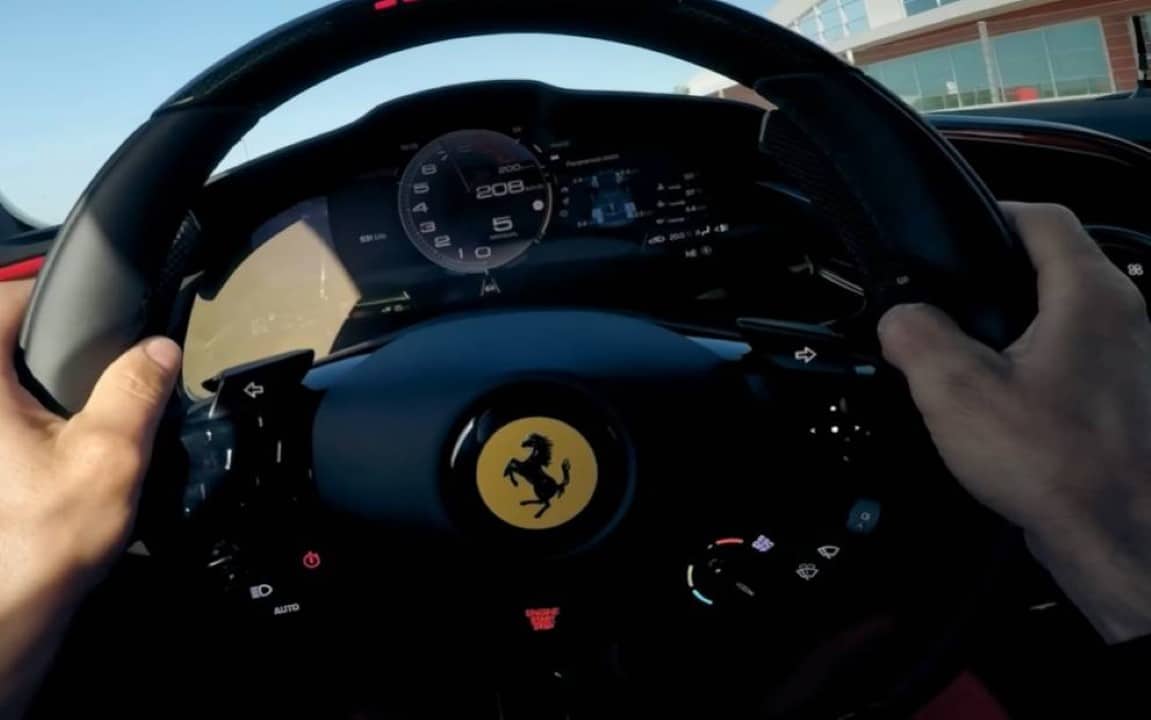
Ferrari released details of the interior of its first 100% electric vehicle, called Luce. The model, scheduled for launch in 2026, features an innovative steering wheel that combines classic elements with sustainable materials and advanced technology. The Italian brand emphasizes the intuitive interaction between driver and machine in this project.
The steering wheel adopts a three-spoke design, inspired by the iconic Nardi models from the 1950s and 1960s. Fabricado made of 100% recycled aluminum alloy, the component undergoes anodization for greater mechanical resistance.
- The process involves 19 CNC machined parts.
- The steering wheel weighs 400 grams less than the current Ferrari equivalents.
- This reduction contributes to better drivability.
Steering wheel design combines tradition and innovation
The Ferrari Luce steering wheel maintains the classic essence of the brand, but incorporates modern solutions for the electrical context. The simplified three-spoke structure makes instruments easier to read and improves visibility of the digital dashboard. Engineers prioritized ergonomics in extensive testing with development pilots.
The controls are organized into two analog modules, similar to those used in Fórmula 1 cars. The Cada button offers precise mechanical and acoustic feedback, adjusted after more than 20 evaluation sessions. Essa configuration ensures intuitive operation even at high speed.
Sustainable materials mark the component
Ferrari developed an exclusive recycled aluminum alloy for the steering wheel of the Luce. The material receives anodizing treatment that increases durability without compromising surface quality. Essa choice reflects the brand’s commitment to environmental practices in its transition to electric vehicles.
The reduced weight of the steering wheel improves directional response and contributes to the model’s overall energy efficiency. The absence of traditional coating exposes the pure aluminum, reinforcing the premium tactile sensation.
Commands prioritize sensory feedback
The steering wheel control modules feature buttons designed for tactile and sonic harmony. Tests carried out by Ferrari ensured that each press provides clear feedback to the driver. Essa feature maintains the emotional connection typical of the brand’s models, even in the absence of a combustion engine.
The intuitive layout of the controls allows quick access to essential functions without distracting the driver. Paletas behind the steering wheel regulate regenerative braking and other performance parameters.
Integration with the digital panel
The steering wheel hub connects directly to the instrument cluster, which moves depending on the seating position. Essa solution maintains perfect alignment between the rim and the digital screen regardless of the driver’s adjustment. The system reinforces the feeling of unity in the cabin.
Ferrari designed the interior in collaboration with human-machine interface experts. The result offers visual clarity and simplified operation in all usage conditions.
Context of the electrical transition of Ferrari
The Italian brand plans to maintain its sonic and emotional identity in electric models. The Luce represents the first concrete step in this direction, with an estimated power of over 1000 horsepower distributed across four engines. The steering wheel plays a central role in transmitting information to the driver.
Ferrari invests in a new factory dedicated to the production of electric vehicles in Maranello. Essa unit will allow flexibility between thermal, hybrid and electric engines according to demand.
Technical details revealed
The interior of the Luce includes premium leather seats and a floating center screen with aluminum grab bar. The passenger can adjust the position of the screen for greater comfort during travel. The overall design prioritizes space and minimalism without sacrificing luxury.
- Four electric motors ensure advanced all-wheel drive.
- The high-density battery promises competitive autonomy in the segment.
- The torque vectoring system optimizes power distribution.
Expectations for the launch
The Ferrari Luce is expected to hit the market in the second half of 2026 with initial limited production. The brand is already seeing high demand for its current electrified models, such as the SF90. The new flywheel sets the standard for future Ferrari electrical projects.
Analysts predict that the Luce will maintain prices in the range of the brand’s traditional supercars. The combination of extreme performance and sustainability attracts a new customer profile.




