
Ferrari’s first electric steering wheel combines classic design with innovative sustainable materials

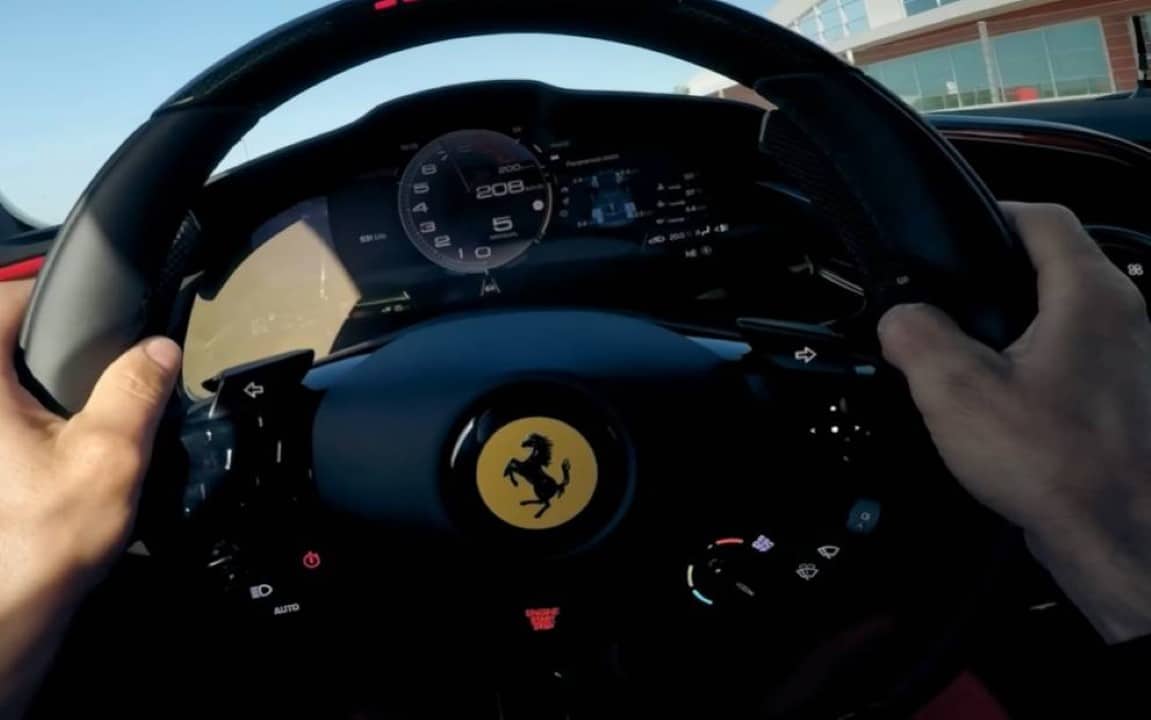
Ferrari has released unprecedented details about the interior of its long-awaited first 100% electric vehicle, called Luce. The model, which represents a milestone in the history of the Italian automaker, features an innovative steering wheel that combines historical references with cutting-edge engineering. The brand emphasizes that the main objective of the project is to maintain the intuitive and emotional interaction between the driver and the machine, even in the era of electrification.
The component was designed to be the fundamental communication link in the cabin, prioritizing ergonomics and sensory response. By abandoning traditional combustion engines, the manufacturer sought tactility and usability as a way to preserve the sporting DNA that has established it on the tracks and roads over the last few decades.
Engineers and designers worked together to create a piece that was not only functional, but also served as a statement of principles about the company’s future. The choice of recyclable materials and advanced manufacturing processes signals Maranello’s commitment to sustainability, without giving up luxury and exclusivity.
Retro inspiration and advanced construction
The steering wheel design adopts a three-spoke structure, directly inspired by the iconic Nardi models that equipped the Ferraris in the 1950s and 1960s.
To guarantee superior mechanical resistance and a premium finish, the component goes through a rigorous anodizing process. Manufacturing involves the machining of 19 individual parts via CNC, demonstrating the technical complexity hidden beneath the piece’s minimalist, classic appearance.
One of the great advantages of this engineering is the significant reduction in mass. The new steering wheel weighs 400 grams less than the brand’s current equivalents, which directly contributes to better handling and more agile directional response, essential characteristics for an electric super sports car.
Ergonomics focused on the pilot experience
The streamlined three-spoke structure is not just aesthetic; It makes the instruments easier to read and improves the visibility of the digital panel. Durante development, extensive testing was carried out with test drivers to ensure that the ergonomics met the most demanding standards of sports driving.
The controls were organized into two analog modules, reminiscent of the arrangement found in the Fórmula 1 cars. The Cada button was designed to offer precise mechanical and acoustic feedback, adjusted after more than 20 technical evaluation sessions to ensure that the activation is satisfactory.
This configuration allows intuitive operation even at high speeds, preventing the driver from having to look away from the road. The absence of traditional coatings exposes pure aluminum, reinforcing the premium tactile sensation and direct connection to the vehicle.
Technological integration and digital interface
The steering wheel hub connects directly to the instrument panel, which has a movable mechanism dependent on the seating position. Essa solution guarantees perfect alignment between the steering wheel rim and the digital screen, regardless of the adjustment made by the driver.
Ferrari designed the interior in collaboration with human-machine interface experts to optimize visual clarity. The result is a system that reinforces the feeling of unity in the cabin, where technology serves the driver without creating unnecessary distractions while driving.
Performance and technical specifications
The Luce is not just a design exercise, but an extreme performance machine. The model will have an estimated power of over 1000 horsepower, distributed by four electric motors that guarantee advanced all-wheel drive. The torque vectoring system promises to optimize force distribution in curves.
The high-density battery was designed to offer competitive autonomy in the super sports car segment. Além In addition, the new factory in Maranello will allow flexibility in production, switching between thermal, hybrid and electric engines as global market demand evolves.
Details that define modern luxury
The vehicle’s interior includes premium leather seats and a floating central screen with aluminum grab bar. The passenger will also be able to adjust the position of the screen for greater comfort during trips, reinforcing the model’s grand tourer character.
Below are the main technical highlights of the Luce project:
– Quatro electric motors ensure all-wheel drive and superior performance.
– The torque vectoring system optimizes power delivery to each wheel.
– The high-density battery promises relevant autonomy for daily use.
– The overall design prioritizes minimalism and internal space without sacrificing sophistication.
Market and launch expectations
The Ferrari Luce is expected to hit the market in the second half of 2026, initially with limited production. The demand for the brand’s electrified models, such as the SF90, already indicates a strong interest among consumers in this new phase of the Italian automaker.
Automotive analysts predict the Luce will maintain the price range of the company’s traditional supercars. The combination of extreme performance with sustainable practices aims to attract a new customer profile, focused on both the thrill of driving and environmental responsibility.




