
HyperOS update boosts Xiaomi 17 line cameras with cinema features and focus on creators

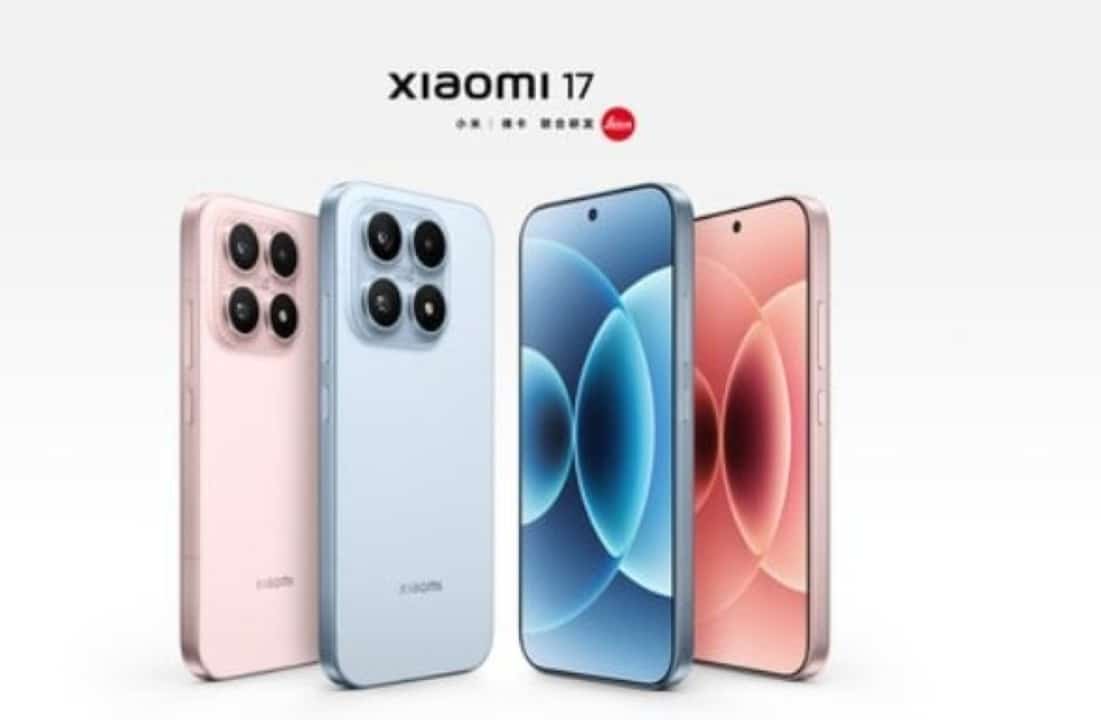
The Chinese technology giant has started to roll out a robust package of improvements for its latest smartphones, focused on elevating the image and video capture experience. The new software, built on the HyperOS architecture, brings tools that bring mobile devices closer to professional filming equipment. The distribution includes fine adjustments in image processing and new interface features, meeting a growing demand for greater manual control in audiovisual productions made via cell phone.
Owners of high-end models in the Asian market have already started receiving update notifications. The main focus is on the ability to handle challenging lighting scenarios and the introduction of dual view modes. Embora the hardware remains the same, software optimization promises to extract superior performance from the optical sensors already installed in the devices.

The manufacturer’s strategy reinforces the regional segmentation of its premium products. Enquanto the Chinese market enjoys exclusive features in the Pro and Pro Max models, international consumers await the official arrival of the global and Ultra variants. The current update serves as an indication of what can be expected in the Western releases scheduled for the coming weeks.
Experts point out that these changes aim to compete directly with other brands that lead the mobile videography segment. The inclusion of advanced color profiles and real-time monitoring takes the 17 series to a new level of usability for digital content creators.
New tools for audiovisual production
The technical highlight of the update lies in the enhancement of LOFIC mode, a sensor technology designed to expand dynamic range. With the new firmware, users gain the ability to activate this feature manually on more advanced models, ensuring the preservation of details both in areas of deep shadow and in points of intense light. The system supports recording in 4K resolution at 60 frames per second, maintaining the fluidity necessary for high-quality productions.
The camera interface has also undergone an overhaul to accommodate the Dual-View mode. Essa functionality allows simultaneous capture using the rear lens and front camera, a valuable feature for vloggers who need to record reactions and environments at the same time. Toolbar customization has been expanded, allowing each user to organize shortcuts according to their usage routine.
In addition to standard capture improvements, the update introduces improved support for LOG video with LUT preview. Isso means that cinematographers and videographers can view a more faithful preview of the final colors during recording, facilitating the post-production and color grading process. Dynamic photo functionality and smart scene cards complete the package, automatically adjusting parameters for specific situations such as nighttime shows.
Differentials of models Pro and Pro Max
Devices of the Pro and Pro Max variants received special attention in the use of their secondary screens. The update enables the use of the rear display as a real-time reference monitor, operating in Full-Frame mode. Isso allows users to use the main camera array, which has superior quality, to record themselves with precise framing.
The integration between the LOFIC sensor and the specific hardware of these models results in a more balanced image composition. The system drastically reduces overexposure in high-contrast scenarios, such as sunny days or environments with direct artificial lights. Rear screen latency has been optimized to ensure the displayed image instantly matches actual movement.
These advanced features, however, remain restricted to units sold at China. Importing these devices is a route used by enthusiasts, but involves risks related to warranty and network compatibility. The absence of official technical support outside the country of origin continues to be a limiting factor for the mass adoption of these specific models in the West.
Perspectives for the global market and model Ultra
Consumer attention outside the Ásia now turns to the launch of the standard Xiaomi 17 and the highly anticipated Ultra model. The company confirmed that the Ultra model will reach international markets equipped with an even more refined version of the LOFIC sensor, seeking to serve photographers and videographers who demand maximum performance without resorting to imports.
The standard model of the 17 line will also receive a significant part of the software improvements via global update. The adaptation of HyperOS for Western audiences ensures that features such as LOG recording and improved stabilization are available, maintaining the device’s competitiveness in its price segment.
The choice between importing an Pro model with a secondary screen or waiting for the official release of the Ultra involves weighing up unique hardware features and the security of a locally supported product. The manufacturer maintains its policy of differentiating lines, using the domestic market as a testing ground for innovations that eventually reach the global portfolio.
Keywords for SEO: Xiaomi 17, HyperOS update, LOFIC mode, LOG recording, Xiaomi camera.
Long-tail keywords: how to activate dual-view mode on Xiaomi 17.



