
King Charles III’s cancer pushes William and Kate to the center of the British monarchy’s decisions


The power dynamics within Casa of Windsor are going through a moment of accelerated and historic transformation. With King Charles III’s cancer diagnosis, the responsibility that falls on the shoulders of Prince William and Kate Middleton stopped being a distant future perspective and became an immediate operational reality. The couple, who had already been charting a path of modernization for the institution, found themselves forced to assume a central role in carrying out royal duties, guaranteeing the stability of the Coroa in a period of medical uncertainty and institutional challenges.
The constant presence of the princes of Gales at diplomatic events and public engagements is not just protocol, but functions as a pillar of support for the current British monarchy. Enquanto the monarch adjusts his schedule to prioritize treatment and recovery, William and Kate have intensified their appearances, filling gaps and ensuring that the visibility of the royal family remains intact. Esta strategy, carefully orchestrated by the Palácio of Buckingham and Kensington, aims to convey a clear message of continuity and resilience, both to the subjects in
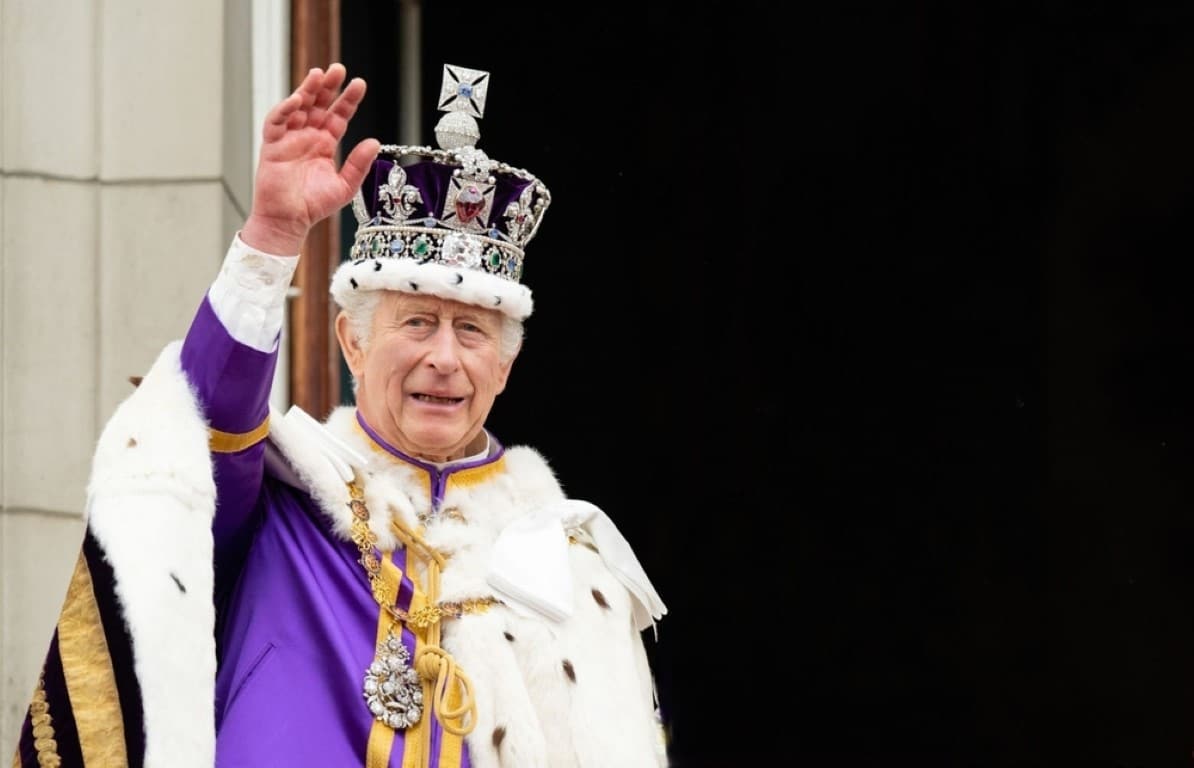
Experts in royal matters point out that this period serves as practical and intensive training for the future reign of William. The transition, which under normal circumstances would occur gradually over decades, gained a sense of urgency. The couple’s response has been marked by an approach that combines non-negotiable respect for centuries-old traditions with a contemporary vision of leadership, focused on empathy and direct connection with the social issues that afflict the modern population.
The current scenario requires a delicate balance between family support for the king and fulfilling Estado’s duties. William, trained since childhood to assume the throne, demonstrates a pragmatic and strategic stance, while Kate solidifies his position as a figure of enormous popularity and influence. The joint action of the two not only reinforces the image of the institution, but also prepares the ground for a new era in the monarchy, where social relevance and the ability to adapt will be decisive for the survival of the Coroa.
Institutional adaptation and modernization strategies
The management of King Charles III’s health crisis revealed the adaptability of the “Firma”, as the royal family is internally known. The transparency adopted regarding the monarch’s diagnosis, although controlled, represented a paradigm shift compared to previous generations, which treated medical issues as absolute Estado secrets. Nesse context, William and Kate have acted as the main vectors of this more open and humanized communication, using their platforms to dialogue with an audience that demands authenticity.
The modernization led by the couple is reflected in the choice of causes they defend and the way they interact with the public. Diferente away from the rigid formality of other times, the princes of Gales seek a genuine connection, often breaking dress or physical interaction protocols to get closer to people. Essa approach is not accidental; it is a deliberate strategy to keep the monarchy relevant in a digital and diverse society where automatic deference to royalty is no longer guaranteed.
Among the initiatives that demonstrate the couple’s focus on contemporary and urgent issues, areas that go beyond traditional ceremonies stand out. The work agenda of William and Kate has prioritized themes that require concrete action and long-term engagement, shaping the identity of their future reign:
- Mental health and emotional well-being:Continuidade of campaigns that aim to destigmatize mental illnesses and promote psychological support in all layers of society.
- Sustainability and climate crisis:William’s direct involvement in global environmental preservation projects, positioning the monarchy as an active voice in the fight against climate change.
- Early Childhood Development:Kate Middleton’s structural work focuses on children’s first years of life, based on scientific research and partnerships with education experts.
- Inclusion and social diversity:Esforços to ensure that the monarchy more faithfully represents the multicultural makeup of the modern Reino Unido.
This proactive agenda serves two fundamental purposes: filling the vacuum left by the temporary reduction in the king’s activities and building a legacy of his own for future kings. William and Kate’s ability to navigate between tradition and innovation has been crucial in maintaining high public interest and popular approval, even in the face of recent turmoil.
Political stability and public confidence in succession
Public perception of the leadership capacity of William and Kate has reached significant levels, as indicated by recent opinion surveys in Reino Unido. Mais 70% of Britons express confidence in the couple’s fitness to lead the monarchy in the future. Esse data is vital for institutional stability, as the legitimacy of the constitutional monarchy intrinsically depends on the consent and support of the population. The figure of Kate, in particular, emerges as an invaluable diplomatic asset, with his ability to move smoothly between the global elite and local communities.
During recent visits to the north of Inglaterra and other regions of the country, the warm welcome extended to the couple signals that the transfer of affection from the Elizabethan era to the new generation is occurring successfully. The public sees in William the seriousness and preparation of a statesman, while it sees in Kate the compassion and elegance of a future queen consort who deeply understands her role. Essa combination of attributes creates a shield against republican criticism and strengthens the unity of Reino Unido.
The global role and royal diplomacy
The influence of the British monarchy extends far beyond the borders of Grã-Britain, playing a fundamental role in the country’s diplomatic “soft power”. In an unstable geopolitical scenario, the presence of William and Kate at international events and the relationship they cultivate with heads of Estado and world leaders are strategic tools for the British government. Mesmo with the travel restrictions imposed by the king’s health situation, the couple has maintained open channels of dialogue and strengthened Commonwealth’s ties.
The international projection of William and Kate also serves to promote British interests abroad, from trade to cultural cooperation. The image of a renewed monarchy, aware of global challenges and willing to participate in solutions, helps to modernize the perception of Reino Unido in the world. The couple understands that their global relevance depends on their diplomatic usefulness and their ability to inspire positive change on an international scale.
As King Charles III continues his treatment, the division of labor within the royal family is likely to continue to evolve. The practical “co-reign” model, where the monarch maintains constitutional authority while the heir assumes public and operational visibility, appears to be the way forward in the coming years. William and Kate, prepared and willing, ensure that the transition of power, when the definitive moment arrives, will be marked by stability, competence and unwavering commitment to public service.



