
Monster Hunter Stories 3 analysis points to Xbox Series S close to PS5 and highlights potential of Switch 2

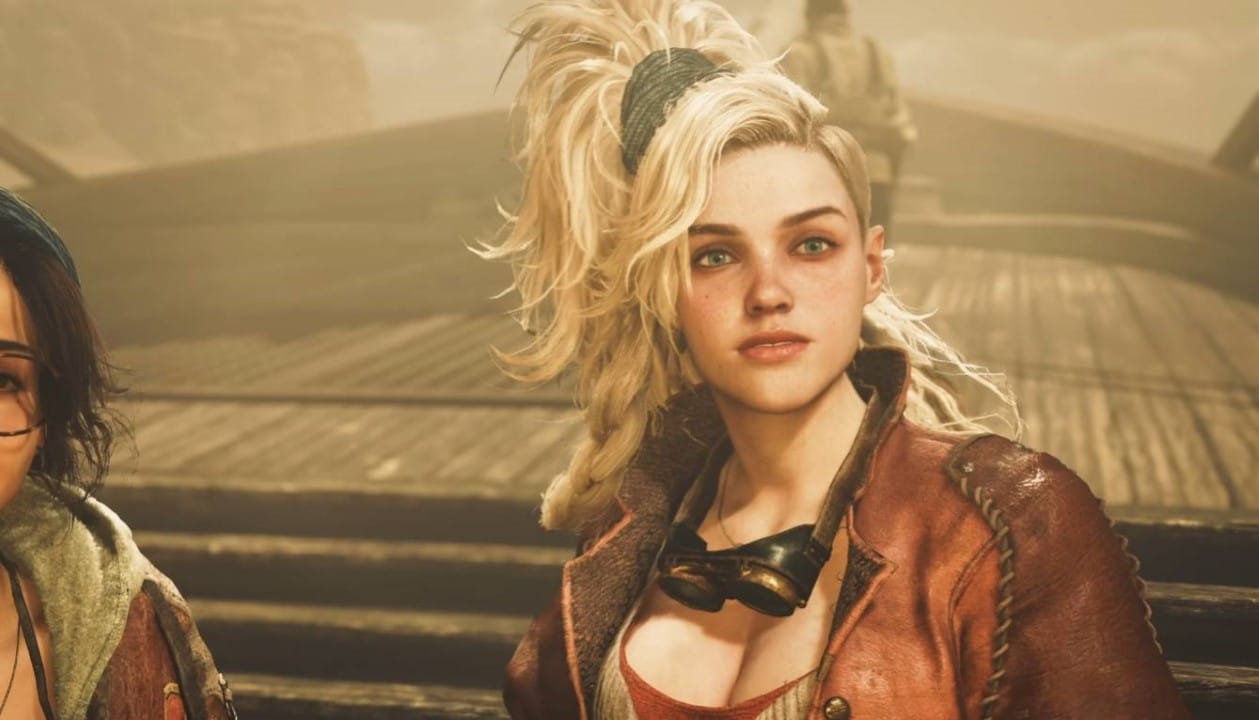
A detailed technical survey revealed surprising data about the execution of Capcom’s new RPG on current generation consoles and Nintendo’s new hardware. The analysis, focused on the performance of
Tests carried out by the specialized channel ElAnalistaDeBits indicate that the developer managed to extract notable performance from the Xbox Series S. The Microsoft entry-level console, often underestimated in direct comparisons with more robust machines, presented a graphical quality very close to that observed on the PlayStation 5. Esse visual leveling is considered a feat of software engineering, given the gulf of technical specifications that theoretically separates the two devices.
In the Sony ecosystem, the PlayStation 5 maintains its usual consistency, operating with a frame rate that varies between 35 fps in Qualidade mode and can reach peaks of 80 fps in Desempenho mode. Essa flexibility allows users to prioritize resolution or fluidity based on personal preference, a feature that has become an industry standard for big-budget titles.
Performance details by platform
Technical analysis dissected how each console handles the vast game world, revealing distinct optimization strategies. Enquanto table consoles offer multiple viewing modes, the new portable from Nintendo relies on a unique yet robust configuration, especially when connected to the base.
Key quantitative highlights of the study include:
– PlayStation 5: Garante stability above fixed targets, delivering the most fluid experience in Desempenho mode.
– Xbox Series S:
– Nintendo Switch 2: Apresenta quality equivalent to the “Balanced” mode of larger consoles when in docked mode.
The visual parity achieved in the Xbox Series S does not come without cost. To maintain a competitive frame rate, the system makes dynamic adjustments to elements such as shadow quality and draw distance. However, analysis suggests that these compromises are barely noticeable during the frenetic action, validating Capcom’s strategy of focusing on the overall experience rather than microscopic details.
The behavior of Nintendo Switch 2
The performance of the successor to Switch was one of the highlights of the technical evaluation. When operating in docked mode (connected to the TV), the console demonstrated stability that, in certain specific scenarios, even surpassed the consistency of the Xbox Series S in locked modes. Isso signals a significant advancement in the Nintendo architecture, allowing cross-platform titles to run without the harsh compromises seen in the previous generation.
However, mobility takes its toll. Quando used in handheld mode, the Switch 2 faces challenges in high-density scenes. Batalhas with multiple monsters or exploring in heavily populated areas can cause the frame rate to drop below 30 fps. Essa variation is expected due to the thermal and power constraints of the portable format, but still, image quality remains impressive for a device in this category.
Optimization for hybrid hardware reflects the developer’s effort to maintain the game’s artistic integrity. Mesmo with occasional drops in portable mode, the visual experience does not suffer severe degradation, maintaining the vibrant identity that characterizes the Monster Hunter franchise.
Rendering strategies and graphics modes
Flexibility is the keyword for the PlayStation 5 and Xbox Series S versions. Players have three different configurations available: Qualidade, Desempenho and Balanceado. The Qualidade mode focuses on native resolution and richer post-processing effects, ideal for those who have 4K screens and prefer to enjoy detailed scenes. Já Desempenho mode sacrifices resolution for a high frame rate, essential for precision in turn-based combat and exploration.
The Balanceado mode appears as an interesting compromise, trying to offer the best of both worlds. However, it is in Desempenho mode that the PlayStation 5 really shines, managing to maintain high frame rates without sudden fluctuations, ensuring responsive gameplay. The Xbox Series S, although brave, may present small instabilities in this specific mode, although nothing that compromises gameplay.
These technical differences highlight the importance of engine optimization. The fact that the game scales competently from a portable to high-performance desktop consoles indicates that the Capcom graphics engine has reached a new level of versatility. Historicamente, versions of games for less powerful consoles suffered from blurry textures and simplified geometry, something that Monster Hunter Stories 3 manages to successfully avoid most of the time.
Reception and impact on the consumer
The disclosure of this technical data serves as a valuable guide for the end consumer. With the price of games reaching new heights, knowing exactly how the product behaves on each platform is decisive for purchasing. Proprietários and Xbox Series S, in particular, receive confirmation that their console still has the strength to deliver satisfactory “next-gen” experiences.
For Nintendo enthusiasts, the review confirms that the Switch 2 is a viable platform for demanding third-party games. The ability to run the game with similar quality to desktop consoles when on the dock is a strong argument for those who prefer the versatility of the hybrid system, even with the caveats of portable mode.




