
New Nissan Leaf 2026 becomes an electric compact SUV with 488 km of range and faces BYD and GWM

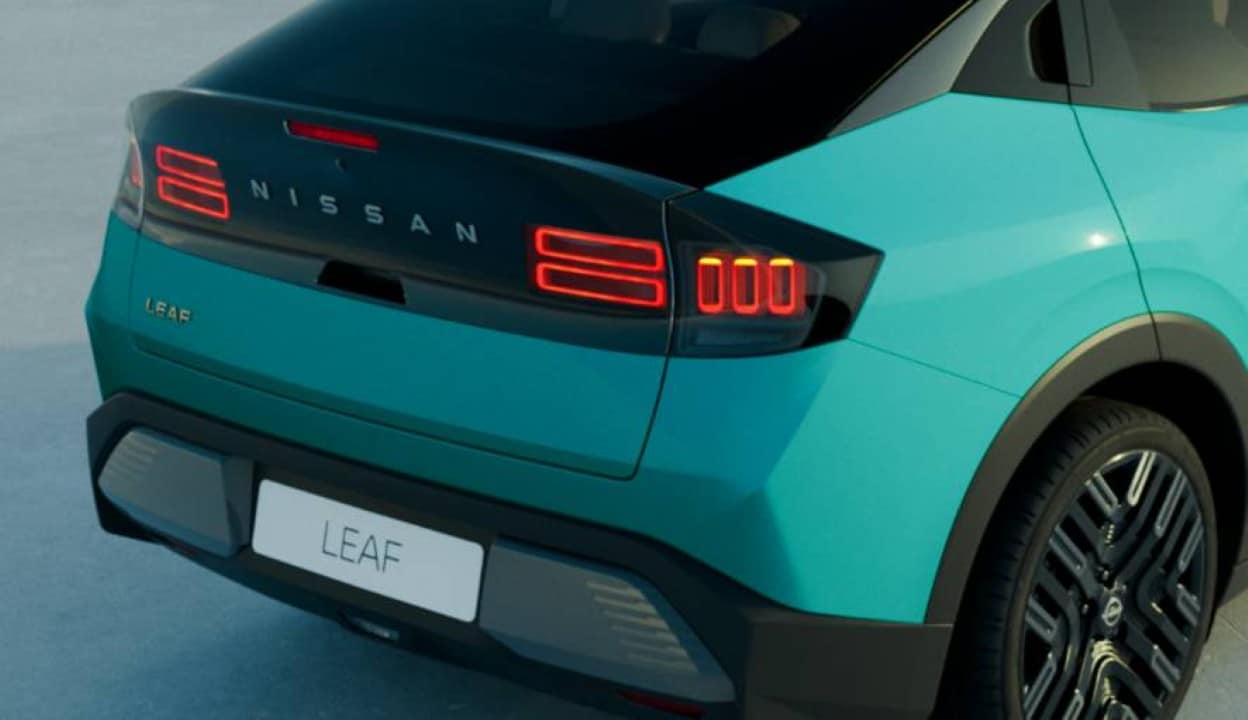
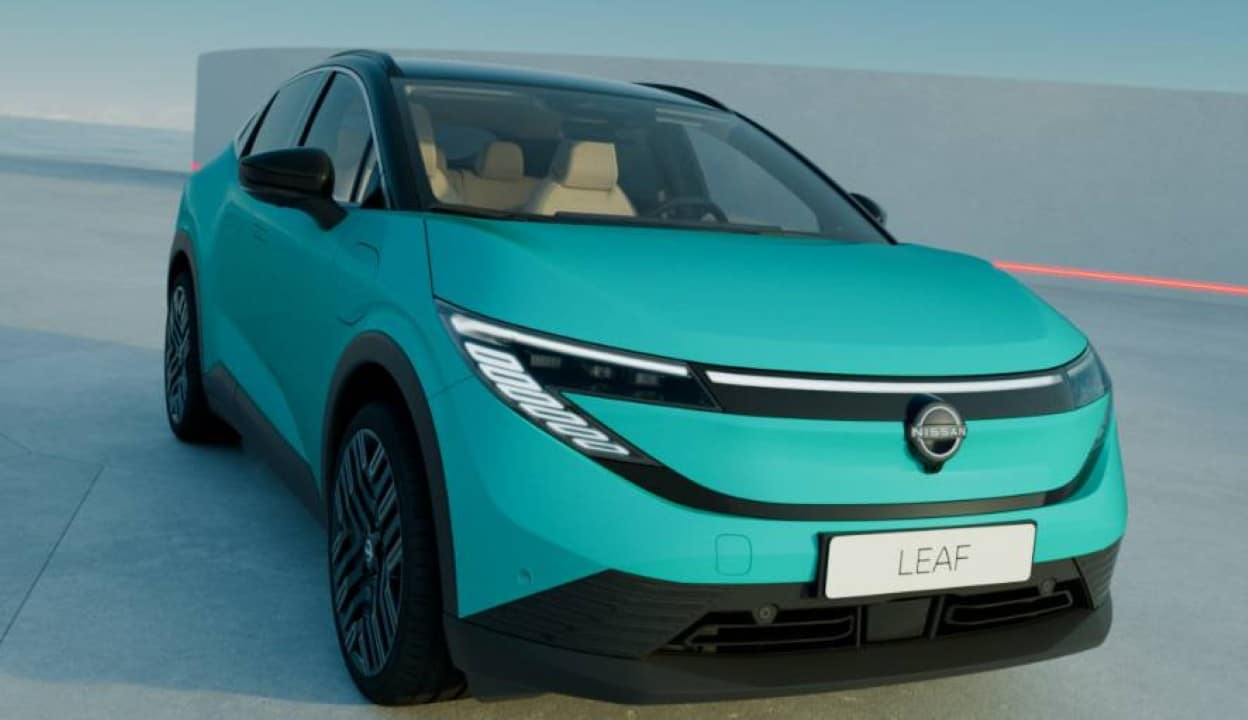
The Nissan revealed the new generation of the Leaf for the 2026 model, now with a compact SUV body and a maximum range of 488 km in the WLTP cycle. The vehicle abandons the traditional hatch format and adopts elevated lines, greater ground clearance and a robust design to attract families and urban users. Essa change allows the Japanese brand to compete directly with Chinese models from BYD and GWM, which dominate the affordable electric segment in the Brasil. The strategy includes two battery options and compatibility with fast charging standards.
The repositioning occurs at a time of expansion in the electrified vehicle market in the country. Sales of plug-in models reached 10% of total registrations in January 2026, according to data from Associação Brasileira of Veículo Elétrico (ABVE).
Nissan seeks to regain share with competitive pricing and updated technology. The model arrives at Brazilian dealerships in the second half of 2026.
Radical change in design
The Nissan Leaf 2026 features a higher hood and pronounced bumpers. Essas changes improve access to the interior and increase the feeling of robustness.
The high ground clearance facilitates circulation on irregular streets common in Brazilian cities. The aerodynamic coefficient remains optimized to preserve energy efficiency.
The internal space has grown significantly. The rear seat accommodates three adults with greater comfort than in the previous generation. The enlarged trunk meets everyday family needs.
Battery and range options
The entry-level version uses a 52 kWh battery and reaches up to 440 km of autonomy in the WLTP cycle. Essa configuration serves drivers with daily urban or metropolitan routes.
The 75 kWh battery increases the range to 488 km in mixed conditions. Ela reduces the frequency of recharging on longer trips.
Both options support CCS fast charging. The system recovers from 10% to 80% of capacity in approximately 35 minutes at compatible stations.
Electric motor performance
The electric motor delivers between 174 hp and 215 hp, depending on the version. Instant torque guarantees agile acceleration and safe restarts on roads.
Front-wheel drive maintains the balance between efficiency and cost. The suspension assembly has been recalibrated for the new, higher center of gravity.
- Immediate torque makes overtaking easier.
- Quick responses on climbs and urban maneuvers.
- Driving silence typical of trams.
- Optimized weight distribution for stability.
Embedded technology features
The infotainment system integrates built-in Google natively. Services include real-time navigation and advanced voice assistant.
Connectivity allows for over-the-air updates. The MyNissan app monitors charging and preconditioning remotely.
Driving assistants include automatic emergency braking and lane keeping. ProPilot has evolved to operate in more traffic scenarios.
Competition in the Brazilian market
BYD and GWM have led electric sales in the Brasil since 2024. Modelos like Dolphin and
The Leaf 2026 comes with the proven durability proposal of the Nissan. The wide dealership network facilitates technical assistance throughout the country.
The electrified vehicle market registered 23,706 registrations in January 2026. Plug-ins represent growth of 88% compared to the previous year.
Nissan is betting on future local production to reduce costs. Parcerias with Brazilian suppliers can lower maintenance prices.
Prices and commercial positioning
Starting prices for the Estados Unidos start at US$29,990 in the base version. No Brasil, estimates are around R$220,000 in the entry-level configuration.
The top version with a larger battery should cost close to R$280,000. Esses prices position the model between cheaper Chinese and premium European competitors.
The Nissan offers an eight-year battery warranty. The package includes scheduled revisions with predictable costs.
Charging infrastructure in the country
The public fast charger network has expanded on major highways. Estações CCS become standard in shopping malls and gas stations.
Home charging with a wallbox recovers the battery overnight. Muitos condominiums install shared points for residents.
The federal government maintains tax incentives for importing electric vehicles. Programas states reduce IPVA in several units of the federation.
Advantages for daily use
The Leaf 2026 prioritizes practicality in urban traffic. The reduced turning radius makes it easier to maneuver in tight spaces.
Average consumption is below 18 kWh/100 km in real use. Isso results in a lower cost per kilometer than combustion.
The absence of direct emissions contributes to rotation restrictions in large centers. Proprietários gain exemption in low emission areas.
The new 2026 Nissan Leaf represents a complete evolution of the electric pioneer of the Nissan. The transition to a compact SUV, combined with extended range and modern technology, reinforces the brand’s competitiveness in the expanding segment.



