
Next generation iPhone should unify screen and camera technologies to enhance entry-level models

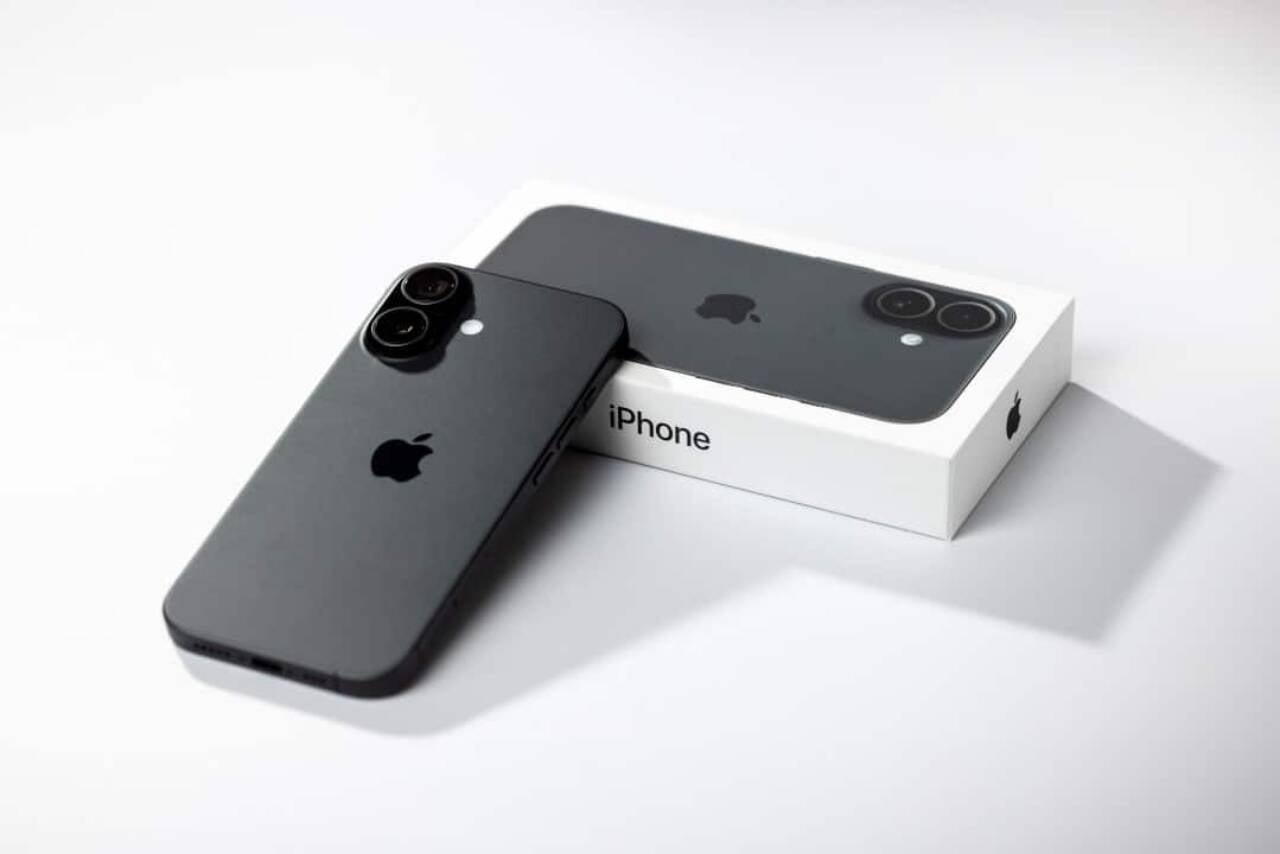
Apple plans a significant restructuring of its smartphone line for the next launches, aiming to reduce the technical disparity between basic models and more expensive versions. The strategy involves the implementation of features that were previously exclusive to the Pro line in entry-level devices, raising the quality standard perceived by the end consumer. Essa movement seeks to justify the price positioning of devices in an increasingly competitive and demanding market regarding hardware specifications.
The main focus of this update is on the visual experience and image processing capabilities, areas where users often notice the biggest differences in everyday use. The company recognizes that maintaining old technologies in new models can affect the perception of value, especially when competitors offer faster screens and advanced cameras at similar price points. The goal is to transform the standard model into a robust option that doesn’t feel like a stripped-down version of the core product.

Market analysts point out that this change of direction is essential to keep the user base interested in annual updates, as the device exchange cycle has become longer. By offering premium features in the base model, the manufacturer encourages the migration of those who own previous generations, ensuring that the technological leap is noticeable and justifies the investment in the new equipment.
Evolution in screen refresh rate
One of the most anticipated changes for the new generation is the adoption of ProMotion technology in all models in the line, definitively abandoning the 60Hz panels. The expectation is that the iPhone 17 will feature screens capable of reaching refresh rates of up to 120Hz, providing much more fluid animations and a significantly faster touch response. Essa technology uses LTPO panels that dynamically adjust frequency to save battery power when high performance is not needed.

The difference in the fluidity of navigation is notable, impacting everything from scrolling through pages on the internet to running games that support high frame rates. Até At the time, the company reserved this functionality only for models with the surname Pro, creating a clear visual barrier between product categories. The democratization of this feature puts entry-level models on par with the industry standard for high-performance smartphones.
In addition to visual smoothness, the new screen technology should allow features such as displaying information with the screen locked in a more energy-efficient way. Brightness and color accuracy should also receive improvements, ensuring that the media consumption experience, such as high-definition videos and photographs, is uniform across the brand’s entire family of devices.
Improvements to the photographic system
The camera suite will also undergo a complete overhaul, with the introduction of higher resolution sensors in the standard model. Espera includes a 48-megapixel main lens, allowing the capture of images with a much higher level of detail and better performance in low-light environments. Computational photography, one of the brand’s pillars, will directly benefit from this more capable hardware, offering professional results without the need for complex manual adjustments.
The unification of camera specifications aims to meet the growing demand for high-quality content creation for social media. With more powerful sensors, users will be able to crop images without significant loss of quality, simulating an optical zoom through the software. Isso eliminates one of the main complaints of owners of current models, who often feel a lack of versatility when photographing.
Storage and processing capacity
Another crucial point in the new strategy involves increasing internal capacity and processing power. Rumores indicate that Apple can double the base storage, starting options at 256GB instead of the traditional 128GB. Essa change reflects the need for more space to accommodate high-resolution photos, 4K videos, and applications that become progressively heavier and more complex.
The heart of the device must be the new A19 chip, or an optimized variation of it, guaranteeing longevity to the device and support for artificial intelligence features that demand high computational power. By equipping the standard model with a cutting-edge processor and more memory, the company ensures that the device will maintain its fluid performance for many years, increasing the value of the product on the resale market and increasing long-term customer satisfaction.



