
Recent study on Kurt Cobain’s death raises doubts about suicide and suggests homicide of the Nirvana singer

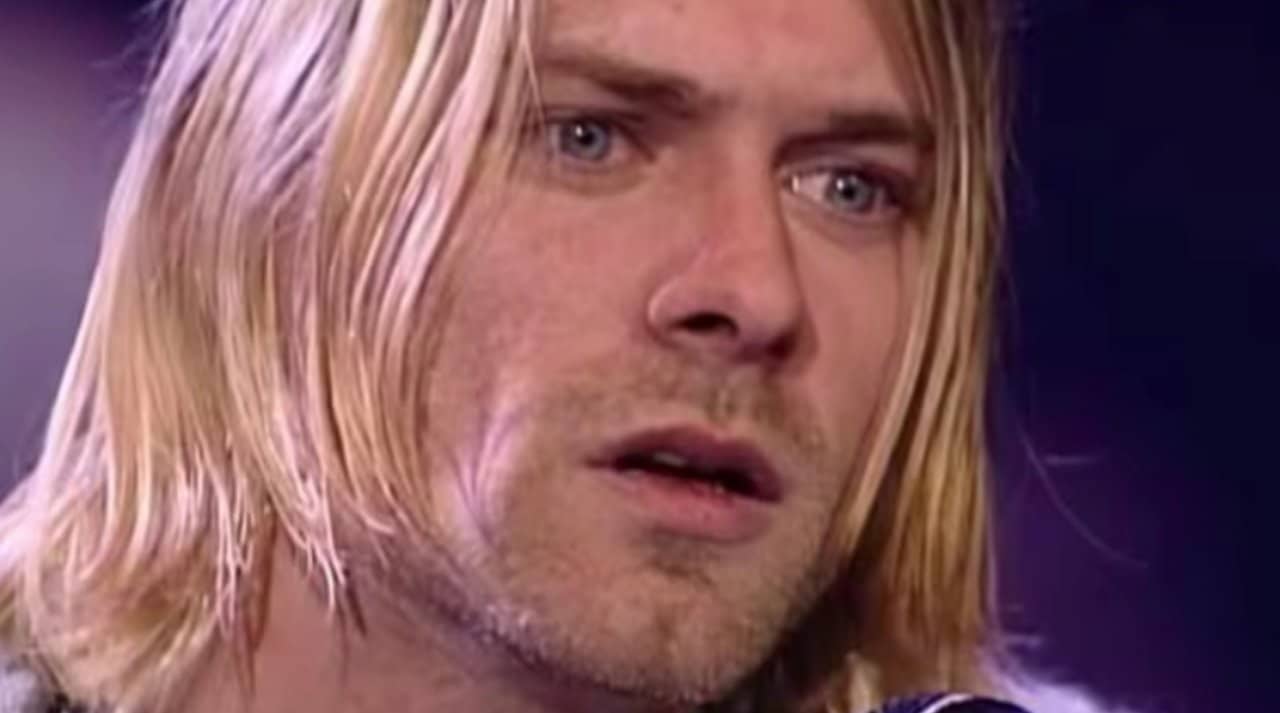
New information emerges decades after the death of iconic Nirvana frontman, Kurt Cobain, reigniting a long-running debate over the circumstances of his passing. A team of private sector forensic scientists has released an analysis that questions the official conclusion of suicide, suggesting that the musician may have been the victim of homicide. The research, recently published in a peer-reviewed article, points to inconsistencies in the evidence that was initially considered at the time of the incident.
Cobain, one of the most influential names in grunge music, was found dead in his home in Seattle, on April 5, 1994, at the age of 27. The cause of death was attributed to a self-inflicted gunshot wound from a 20-gauge Remington Modelo 11 shotgun, with the official investigation concluding that it was a suicide. Este outcome had a profound impact on fans and the music industry, transforming the musician into a symbol of the complexity and challenges of fame.
The controversy surrounding the death of Cobain
The official version of Kurt Cobain’s death has always been the subject of speculation and skepticism on the part of some fans, investigators and family members. Desde the beginning, a current of opinion suggested that there were gaps in the investigation and details that did not fit neatly into the suicide narrative. The notoriety of the case and lack of complete consensus have fueled the persistence of these alternative theories over the years.
Several aspects of the case were revisited by independent analysts, who pointed to what they considered “red flags” or inconsistencies in the original investigation. The complexity of the scenario and the absence of direct witnesses contributed to the mystery deepening, making each new analysis add a layer of intrigue to the tragic end of a rock legend.
New elements in forensic investigation
The team of forensic scientists who carried out the recent research used modern methodologies to re-evaluate the available evidence. Eles argue that the death scene and the condition of Cobain’s body may have been altered to simulate a suicide, masking the possibility of a violent crime. The study details specific points that, according to the researchers, contradict the self-extermination hypothesis.
Among the main arguments raised is the amount of heroin found in Cobain’s system. The research suggests that the level of the substance would be so high that the musician would be unable to handle a weapon and shoot himself. Tal finding calls into question the physical capacity of Cobain to carry out the act, as described in the official police report.
Furthermore, the absence of clear fingerprints on the shotgun, a point often highlighted by proponents of the homicide theory, is again highlighted in the new analysis. The forensic team questions how a weapon used in such an intimate act could not contain conclusive digital traces, raising doubts about the manipulation of the object at the scene.
Analysis of the scene and initial evidence
The original investigation into Kurt Cobain’s death, led by Departamento of Polícia of Seattle, quickly determined the case to be a suicide. The scene was described with the presence of the shotgun, a farewell note and the musician’s body. Entretanto, over the decades, numerous ballistics experts and independent forensic investigations have noticed anomalies.
The positioning of the weapon, the angle of the shot and the distribution of gunshot residue were elements that, for some, did not align with a suicide scenario. The house where the body was found, a barn above the garage, presented an environment that, although isolated, could have allowed the presence of third parties without immediate witnesses, as defended by proponents of the homicide theory.
Alternative theories and their proponents
Over the years, several personalities and independent investigators have dedicated themselves to exploring the hypothesis that Kurt Cobain was murdered. One of the best known is the private detective Tom Grant, hired by Cobain’s wife, Courtney Love, initially to find the musician after his disappearance from a rehabilitation center. Grant, after his death, became one of the main critics of the suicide thesis, accumulating what he considers to be a vast amount of evidence pointing to homicide.
Among the points most cited by Grant and other defenders of the alternative theory are:
- The parting note:The handwriting of the final part of the note, where Cobain expresses his desire to leave the music scene and move away from his family, is questioned by some experts in graphology, who suggest that it may have been written by someone else or that the last lines were added to incriminate the musician.
- The use of the shotgun:Alguns argue that it would be unusual for someone planning suicide by gun to use a shotgun of such a large caliber, which would cause extensive and virtually unrecognizable damage to the face, rather than a pistol.
- Escape from a rehabilitation center:Cobain had left a rehabilitation center on March 30, 1994, less than a week before his death. Este erratic behavior, although not evidence of homicide, was used as an argument to suggest he was in a vulnerable situation.
The role of the heroine and the farewell note
The high concentration of heroin in Kurt Cobain’s blood is one of the pillars of the new research that reinforces the homicide thesis. The levels detected would be so high that, according to experts, they would have induced an instant coma, making it impossible for Cobain to perform any complex motor action, such as lifting a shotgun and pulling the trigger. Essa analysis directly contradicts the suicide narrative, which presupposes a conscious and deliberate action.
The farewell note found in the scene, although initially interpreted as a clear indication of suicide, is also a point of contention. Para those who defend the homicide theory, the majority of the letter expresses Cobain’s desire to abandon music and stardom, not necessarily life. Apenas the last lines seem to be directed towards a suicidal intention, and the authenticity or origin of these last phrases are the focus of questions and parallel graphological investigations, which suggest that they could have been added later by a third person.
Context of the musician’s life before his death
In the months leading up to his death, Kurt Cobain faced a series of personal and professional challenges. Sua struggles with drug addiction, the pressure of global fame and the tumultuous relationship with Courtney Love were public knowledge. The artist had expressed on several occasions his discontent with the music industry and the burden of being a public figure, which was often interpreted as signs of deep depression.
Furthermore, there were indications that Cobain was considering leaving Nirvana, which generated tensions within the band and its inner circle. Esses complex factors paint a picture of instability in the musician’s life, but not necessarily a definitive inclination towards suicide. The new research seeks to separate the artist’s emotional context from purely objective forensic evidence.
Public reactions and the lasting legacy
With each new revelation or analysis about Kurt Cobain’s death, the fan community and media react with renewed interest and debate. The figure of Cobain transcended music, becoming a cultural icon whose early death generated collective mourning and a legacy of speculation. Para many, the idea that his death could have been a crime offers a different, albeit painful, perspective on one of the most tragic events in rock history.
The legacy of Nirvana and the influence of Cobain on music and popular culture remain unshakable. The ongoing discussion about the circumstances of his passing only reinforces the lasting impact of his art and the aura of mystery that always surrounded him. The search for truth, whatever it may be, continues to be a yearning for many who have been touched by his music.
What the new research suggests
The team of forensic scientists, although without official power to reopen the case, hope their peer-reviewed analysis will prompt a reevaluation of the evidence and possibly encourage authorities to consider the homicide hypothesis more seriously. The research does not present definitive conclusions about who the possible attackers were, but focuses on demystifying the authorship of the gunshot wound as self-inflicted, shedding new light on one of the great enigmas of pop culture.



