
Science reveals surprising pathways that lead fish to populate isolated lakes in high mountains


The presence of complex aquatic life in bodies of water located at high altitudes and with no apparent connection to rivers or seas has always intrigued the scientific community. Durante decades, the existence of fish populations in crater lakes or isolated mountain valleys generated theories that ranged from extreme meteorological phenomena to ancient geological interventions. Estudos recent studies have consolidated the understanding that there is no single answer to this biological enigma, but rather a combination of natural and anthropogenic factors that have occurred over centuries.
Researchers in the field of ecology and evolutionary biology have used advanced genetic analysis technologies to map the origin of these species. Através DNA sequencing and comparison with populations from nearby river basins made it possible to trace colonization routes that were previously invisible to human eyes. The data shows that nature finds creative and often unlikely ways to expand life to new frontiers.
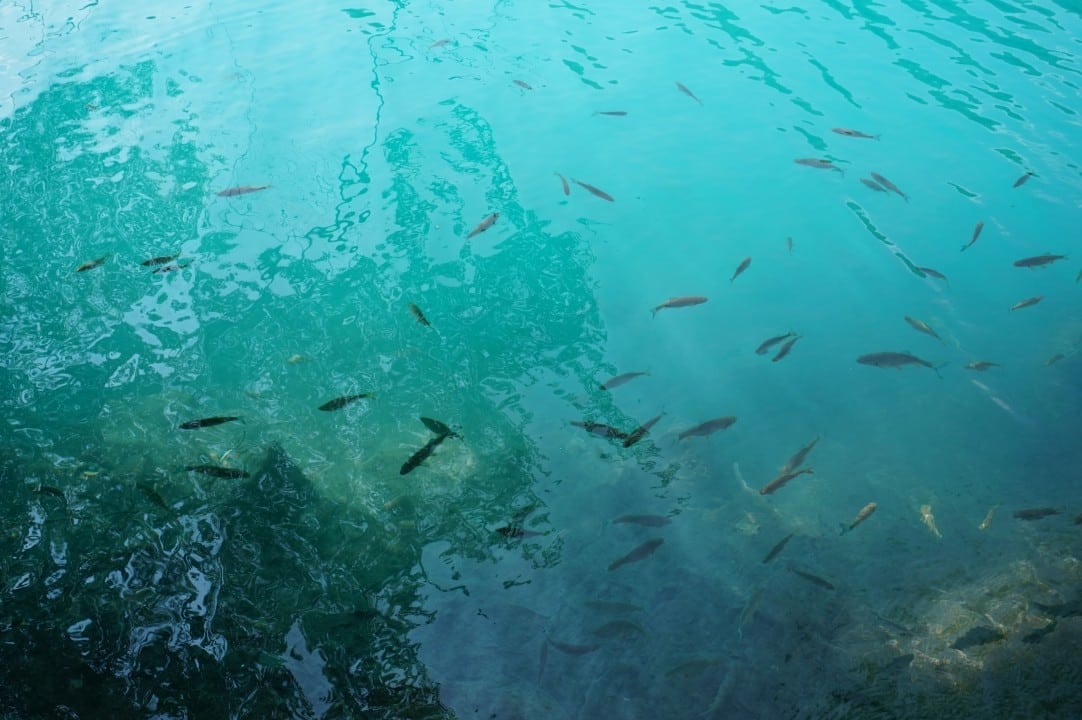
Understanding these mechanisms is essential for the preservation of mountain ecosystems, which are notoriously fragile. The introduction of new species, whether by natural means or by human hands, drastically alters the local food chain, affecting everything from water quality to the survival of native amphibians and insects. Constant monitoring of these areas has become a priority for environmental agencies in different parts of the world.
Geological connections and climate events
One of the most fundamental explanations for the phenomenon lies in the geological history of the landscape itself. What today looks like an isolated mountaintop lake may have been, thousands of years ago, part of an interconnected river system that was altered by tectonic movements or volcanic activity. Essas changes in topography can trap ancestral populations of fish that, over time, evolve to adapt to the new enclosed environment, creating unique endemic species.
In addition to long-term changes, temporary climate events play a crucial role in short-distance dispersal. Chuvas Torrential and seasonal floods can raise river levels to the point where they overflow into adjacent basins or nearby lakes, creating ephemeral “liquid bridges.” During these periods, adult fish and fry are able to swim to new territories which, after the waters retreat, become their new permanent habitats.
Another documented natural phenomenon, although rarer, involves the action of waterspouts and strong winds. Under specific conditions, these meteorological events have enough force to suck water and aquatic organisms from smaller bodies of water, transporting them considerable distances before precipitating them back onto land, in an event that popularly became known as animal rain.
Biological transport via waterfowl
Local fauna acts as an involuntary but extremely efficient vector in transporting aquatic life between disconnected lakes. Aves migratory species, such as ducks, geese and herons, frequent different bodies of water on their feeding and breeding routes. Ovos of fish, which often have sticky surfaces, can attach themselves to the legs or feathers of these birds, catching an aerial “ride” to the bird’s next landing in a pristine mountain lake.
Further study revealed an even more fascinating possibility: endozoochory. Algumas species of fish produce eggs resistant enough to survive passage through the digestive tract of birds. Quando the bird defecates in a new location, the still viable eggs are deposited directly in the water, ready to hatch and start a new colony. Esse method guarantees dispersion over much greater distances than external transport would allow.
The influence of human intervention
Despite the ingenuity of natural methods, human action remains the fastest and most impactful vector in the distribution of fish in mountain lakes. Historicamente, local communities and governments have deliberately fished alpine lakes to create food sources or promote sport fishing. Essa practice, common in regions such as América, Norte and Europa, transformed entire ecosystems in a few decades.
Often, this introduction is done without a prior environmental impact study, taking predator species to environments where the local fauna has no natural defenses. The frequent result is the decline or extinction of native amphibian and invertebrate species, which are unable to compete with or escape the voracious new inhabitants. Atualmente, there is a global effort to reverse this damage, with projects to remove exotic fish from lakes where their presence threatens the original biodiversity.
Ease of access to remote areas, driven by adventure tourism and improved roads, has also increased the incidence of accidental introductions. Equipamentos poorly sanitized fishing boats, boats and even hiking boots can transport eggs or microscopic larvae from one body of water to another, spreading invasive species silently and continuously.




