
Stress monitoring on smartwatches reveals essential physiological data for well-being


Smart watches incorporate advanced sensors that capture physiological signals throughout the day. Esses devices analyze variations in heart rate to estimate the user’s stress level. The technology allows you to identify periods of high tension even when you are resting.
Many models present results on simple scales, divided into categories such as low, moderate or high. Data collected includes resting heart rate, sleep patterns and daily physical activity.
- Greater variability in the intervals between beats indicates a state of relaxation.
- Reduction in this variability signals activation of the nervous system in response to stress.
- Algorithms process this information to generate personalized reports.
- Some devices suggest guided breathing exercises for immediate relief.
Continuous monitoring offers objective insight into how the body reacts to everyday demands. Usuários can adjust habits based on this precise information.
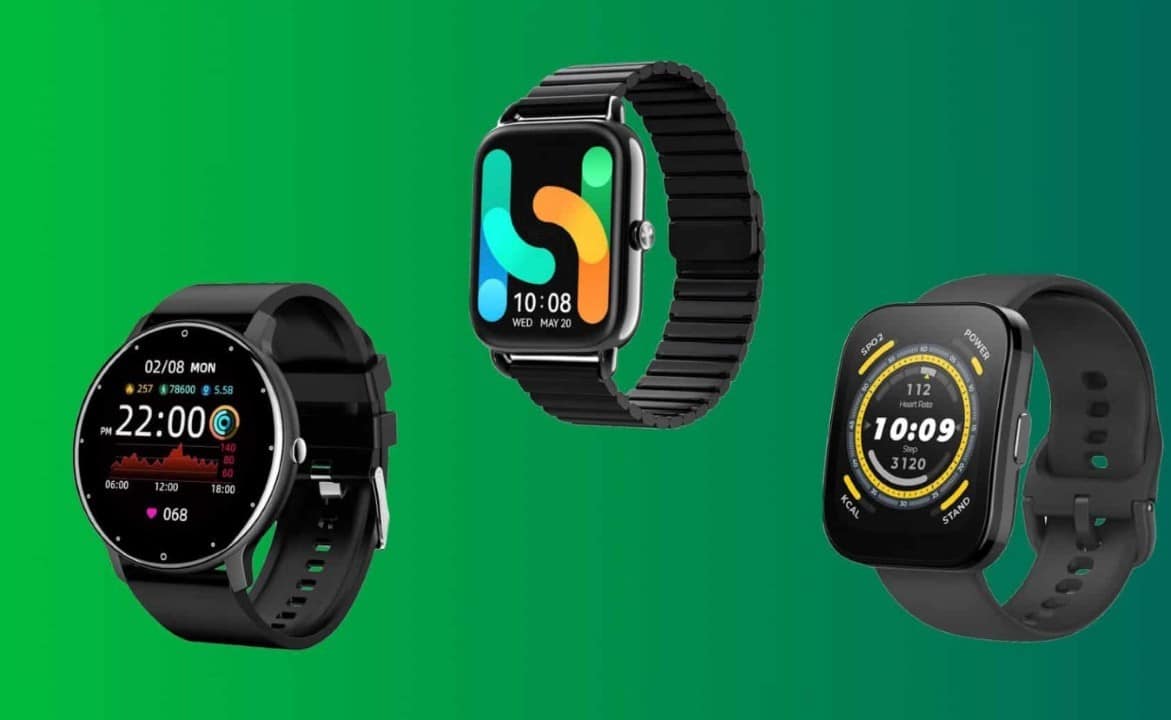
How sensors work in wearable devices
Smartwatches employ optical heart rate sensors located on the bottom of the device. Esses components emit green or infrared light that penetrates the skin and detects blood flow.
Heart rate variability serves as a key indicator because it reflects the balance between the sympathetic and parasympathetic nervous systems. Quando the body faces stress, the sympathetic predominates and reduces variations between beats.
Additional parameters in the analysis
In addition to heart rate variability, the devices consider breathing rate captured indirectly. Qualidade of sleep recorded during the night also influences the daily calculation.
Algorithms compare current data with individual patterns established over weeks. Essa customization increases the accuracy of the estimates provided.
Accuracy in different conditions
Measurement takes place passively throughout the day without the need for manual intervention. Períodos of physical inactivity allows for more reliable baseline readings.
Multiple data integration
Watches combine movement information with heart signals to differentiate stress from physical exertion. Essa distinction avoids misinterpretations in intense activities.
What heart rate variability reveals
Heart rate variability represents the variable time between consecutive beats. Elevated Valores demonstrate good adaptation of the organism to environmental changes.
Reduced levels for prolonged periods indicate nervous system overload. Essa condition may precede visible symptoms of fatigue or accumulated tension.
Factors such as age, physical fitness and daily habits influence each person’s baseline values. Continuous monitoring establishes accurate individual benchmarks.
External influences on indicators
Sleep deprivation significantly reduces the variability recorded the following morning. Regular Exercícios tend to increase rates over time.
Inadequate nutrition or excessive caffeine consumption also affects daily measurements. The devices record these fluctuations objectively.
Patterns throughout the day
Levels naturally vary between morning and evening in healthy people. Picos during busy work times appears clearly in the generated graphs.
Benefits of daily monitoring
Monitoring allows you to identify specific triggers of tension in everyday life. Usuários recognize patterns related to meetings or tight deadlines.
This awareness facilitates practical changes in professional or personal routine. Muitos adjust regular pauses after observing recurring spikes.
Reducing risks to physical health
Prolonged stress contributes to elevated blood pressure over time. Monitorar physiological indicators help prevent cardiovascular complications.
Heart diseases are directly related to chronic high levels of tension. Early monitoring guides effective preventive measures.
Impact on the immune system
Prolonged periods of stress reduce the body’s defense capacity. Infecções become more frequent in phases of low heart rate variability.
Monitoring helps maintain habits that strengthen natural defenses. Adequate Descanso appears as a determining factor in the records.
Relationship with mental health
Anxiety and depression often accompany altered physiological indicators. Device data complements expert professional assessments.
Healthcare professionals use this information to contextualize reported symptoms. Integrated monitoring improves treatment strategies.
Improvement in sleep quality
Fragmented sleep patterns directly reflect morning stress levels. Usuários adjust bedtimes based on generated reports.
More regular routines gradually increase nighttime recovery rates. The devices record progressive improvements in these parameters.
Current limitations of the technology
The measurements do not directly capture hormones like cortisol responsible for stress responses. Physiological indicators offer a partial view of the complete picture.
Deep emotional or psychological factors escape detection by optical sensors. Subjective suffering requires additional professional assessment.
Accuracy in different profiles
Darker skin or tattoos may interfere with the optical reading of the sensors. Fabricantes improve algorithms to minimize these discrepancies.
Intense movement during the day temporarily affects passive readings. The systems filter these interferences automatically.
Need for correct interpretation
Isolated data does not replace specialized medical diagnosis. Usuários should consider the overall context when analyzing daily reports.
Comparison between available models
Different devices employ varying scales to present results. Alguns prioritize continuous measurements while others require manual sessions.
Proprietary algorithms process information differently between brands. Individual consistency matters more than direct comparisons.
Practical tips for reducing detected levels
Deep breathing exercises activate the parasympathetic system quickly. Muitos devices guide short sessions during the day.
Moderate outdoor walks improve indicators in a few weeks. Records show clear progress in these practices.
Recommended eating habits
Balanced meals stabilize physiological responses throughout the day. Redução of stimulants appears on the weekly charts.
Adequate hydration keeps readings more stable during hot periods. The devices indirectly capture these effects.
Integration with other functions
Monitoring naturally combines with physical activity tracking. Usuários balance exercise and recovery based on unified data.
Weekly reports summarize overall wellness trends. Essas broad views guide planning healthier routines.
Smartwatches transform physiological data into practical self-care tools. Accessible technology democratizes the monitoring of important health indicators.




