
Ten early signs reveal risks of Alzheimer’s Parkinson’s and neurodegenerative dementias


Neurology experts emphasize that frequent forgetfulness and changes in daily behavior may indicate the onset of neurodegenerative diseases. Essas conditions affect millions of people around the world and pose a growing challenge to healthcare systems.
In Brasil, it is estimated that around two million individuals live with some type of dementia, with projections of a significant increase in the coming decades. Early detection of these signs allows interventions that preserve autonomy and improve quality of life.
Diseases such as Alzheimer, Parkinson and vascular dementia are among the main causes of these symptoms. Reconhecer early alerts facilitate access to specialized assessments and available treatments.
Common warning signs in everyday life
Difficulties in recording recent information represent one of the most frequent indicators. Pessoas affected people begin to rely excessively on notes or reminders from family members to remember important dates or events.
Another manifestation involves reduced performance of routine tasks, especially those that require calculations. Atividades managing finances or paying bills takes more time than usual and generates recurring errors.
Temporal or spatial disorientation also appears as a relevant sign. Indivíduos may forget the route taken or confuse the day of the week, impacting daily independence.
Changes in visual perception affect the identification of colors and distances. Essas changes interfere with actions such as driving vehicles safely.
Changes in behavior and social interaction
Difficulty selecting appropriate words during conversations impoverishes communication. Vocabulary reduces and prolonged pauses become common in simple dialogues.
Frequent loss of personal objects accompanies unfounded accusations of theft. Esse pattern reflects failures in recent memory and generates unjustified distrust.
Problems in financial management include payments of incorrect amounts. Erros in simple transactions indicates progressive cognitive impairment.
Carelessness with hygiene and adequate nutrition reveals gradual neglect. Rotinas basic personal care loses priority in everyday life.
Isolation and mood swings
Withdrawal from previously enjoyed activities marks social isolation. Indivíduos reduce contacts with friends or abandon hobbies that provided pleasure.
Abrupt personality changes include increased irritability or apathy. Comportamentos of excessive distrust also emerge for no apparent reason.
These signs, when combined, suggest the need for professional evaluation. Observações of family members contribute to identifying patterns that the individual himself may not notice.
Most prevalent neurodegenerative diseases
Alzheimer disease is the leading cause of dementia in the country. Ela causes accumulation of proteins in the brain that interfere with cognitive functions over time.
Vascular dementia results from circulatory problems in the brain. Redução in blood flow damages regions responsible for memory and reasoning.
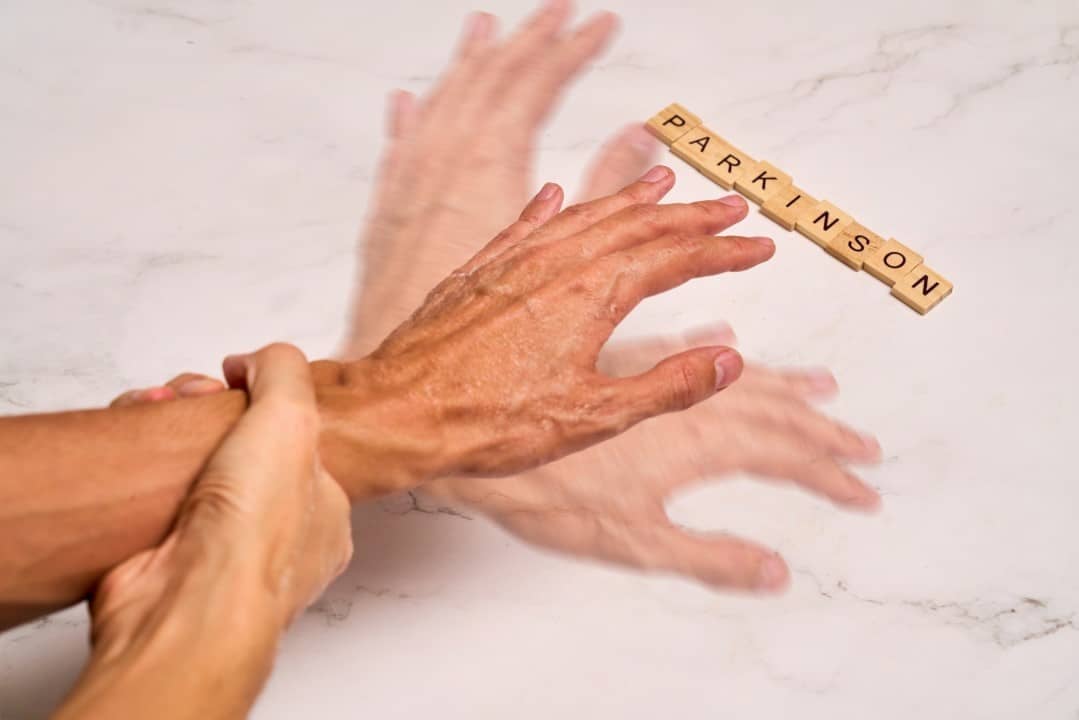
Parkinson disease initially affects motor control, but progresses to cognitive symptoms. Tremores and rigidity accompany behavioral changes in advanced stages.
These conditions share mechanisms of neuronal progression. Fatores as advanced age and family history increase vulnerability.
Benefits of early medical evaluation
Timely diagnosis allows the initiation of therapies that delay the progression of symptoms. Medicamentos recent approved in Brasil act to reduce brain plaques in early stages.
Non-pharmacological interventions, such as cognitive exercises, complement the treatment. Atividades regular physical exercises contribute to maintaining preserved functions.
Planning future care becomes feasible with early identification. Famílias organize adequate support and avoid unexpected complications.
Neurological assessments distinguish normal changes of aging from pathological signs. Fatores how stress or sleep disturbances can mimic early symptoms.
Recent advances in research and treatments
New disease-modifying drugs have gained regulatory approval in recent months. Essas options aim to remove toxic proteins accumulated in the brains of patients with mild Alzheimer.
Therapies for Parkinson include options that improve control of motor and cognitive symptoms. Incorporações to the public health system expand access to established treatments.
Studies identify hidden signs, such as olfactory changes, years before classic symptoms. Pesquisas explore intestinal connections with brain progression.
Government initiatives invest in long-term projects to combat dementia. Recursos targeted support diagnosis and specialized monitoring.
When to seek specialized help
Repetitive symptoms that interfere with daily routine require immediate consultation. Mudanças noticed by close relatives reinforce the indication for evaluation.
Family history of similar conditions raises the priority of investigation. Exames complementary aids assist in accurate diagnostic confirmation.
Professionals recommend continuous monitoring of cognitive changes. Regular Consultas facilitate evolutionary monitoring.
Modifiable risk factors
Blood pressure control reduces chances of vascular dementia. Hábitos healthy people include regular monitoring of cardiovascular indicators.
Moderate physical activity protects brain function in the long term. Exercícios aerobics improve circulation and stimulate neuronal connections.
A balanced diet rich in antioxidant nutrients benefits brain health. Consumo of fruits, vegetables and omega-3 is associated with a lower incidence of cognitive decline.
Constant intellectual stimulation strengthens cognitive reserves. Leituras, games and continuous learning delay symptomatic manifestations.
- Difficulty storing recent information and dependence on reminders;
- Reduction in the performance of usual tasks with numbers;
- Disorientation in time or space;
- Visual changes that affect depth perception;
- Difficulty finding suitable words;
- Frequent loss of objects with unrealistic justifications;
- Errors in handling money;
- Neglect of personal hygiene;
- Social isolation and loss of interest in activities;
- Mood changes with irritability or apathy.



