
Toyota revamps the look of the RAV4 with an aggressive front end and improves the hybrid system for the new generation


The Japanese automaker is making decisive progress in the development of the sixth generation of its most famous sports utility vehicle, consolidating a complete transformation that promises to redefine the standards of the medium SUV segment. The project, which is already in advanced stages of completion, seeks to balance the model’s heritage of reliability with an urgent need for aesthetic and technological modernization. The brand’s strategy involves abandoning conservative lines in favor of a much bolder and more dynamic visual identity, aligned with the company’s recent global design guidelines.
This renovation is not just limited to external appearance, as engineers and designers worked together to ensure that the visual evolution was accompanied by substantial gains in energy efficiency and dynamic performance. The market leadership of the vehicle, which faces increasingly competent competitors from Coreia, Sul and China, depends on this capacity for reinvention. The main focus is on optimizing the electrified drive systems, ensuring the new model meets stringent emissions standards while delivering a superior driving experience.
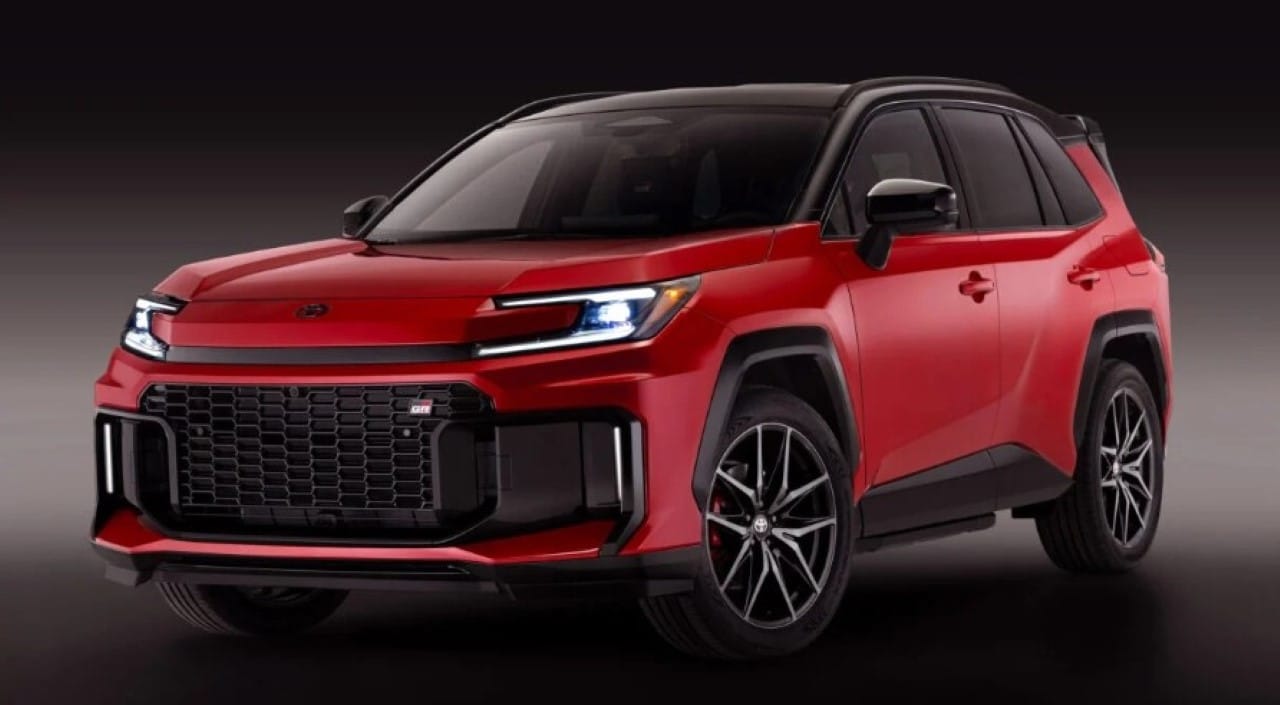
Aesthetic evolution and visual identity
The most impactful change in the utility’s new lineage lies in the adoption of the design language known internally as “Hammerhead Shark”, or hammerhead shark. Este concept, which has already demonstrated success in other recent launches of the brand, gives the front of the vehicle a much more imposing and aerodynamic presence. The optical assemblies have been redesigned to incorporate “C”-shaped LED signatures, which are fluidly integrated into the front grille, creating a sensation of width and visual stability that was missing in previous generations.
On the side, the car’s silhouette has undergone significant revisions to convey a feeling of robustness and movement, even when the vehicle is stationary. The waistlines were raised and the wheel arches gained prominence, reinforcing the proposal of a vehicle capable of tackling varied terrains without sacrificing urban elegance. The rear follows this evolution with taillights connected by a light bar, a design element that has become a trend in the industry and which, in this case, serves to emphasize the technological sophistication of the project.
Platform and mechanic improvements
Underneath the new bodywork, the global TNGA architecture has received critical updates that result in a chassis with greater torsional rigidity and a lower center of gravity. Essas structural changes are essential to improve cornering stability and steering response, eliminating the sensation of floating common in SUVs of this size. The suspension has been recalibrated to offer a more refined balance between ride comfort and dynamic precision, absorbing asphalt imperfections with greater competence while keeping the body level in sudden maneuvers.
The heart of the new model continues to be its hybrid engine, but with adjustments that take efficiency to a new level. The conventional hybrid system (HEV) has been optimized to deliver superior combined power, exceeding the 222 horsepower mark, ensuring safe overtaking and vigorous acceleration. The electronic management of the intelligent all-wheel drive system (AWD-i) has been refined to distribute torque between the axles more quickly and accurately, improving grip on slippery surfaces and performance when exiting curves.
The plug-in hybrid version (PHEV) represents the pinnacle of efficiency in this new generation, incorporating high-density batteries that allow a range in pure electric mode of up to 100 kilometers. Este increase in emission-free driving capacity transforms the vehicle’s usage profile, allowing the majority of daily urban journeys to be carried out without using the combustion engine. The transition between electric and hybrid modes has been smoothed, providing a quiet, linear driving experience that approaches that of fully electric vehicles.
Technological revolution in the interior
The cabin underwent a complete redesign, abandoning the utilitarian layout in favor of a minimalist and highly connected environment. The absolute highlight is the new multimedia center with a screen measuring up to 14 inches, which dominates the central panel and concentrates most of the vehicle’s functions. The operating system has been updated to offer faster, more intuitive responses, with full support for wireless smartphone mirroring and over-the-air updates that ensure the car’s software always remains up to date with the latest features available.
The ergonomics have been rethought to reduce driver distraction, maintaining physical controls only for essential functions such as temperature and volume adjustment, a decision that balances modernity with practicality. The instrument panel is now fully digital and customizable, allowing the driver to choose which information they want to prioritize in their field of vision. The use of soft-touch materials and improved acoustic insulation contribute to a more refined atmosphere on board, distancing the model from its simpler origins.
The interior space also benefited from changes to the platform, offering greater comfort for rear seat passengers and a trunk with increased capacity. The intelligent arrangement of the hybrid system’s components allowed the floor to be flatter, making it easier to accommodate three adults in the second row. Soluções of intelligent storage units were spread throughout the cabin, meeting the needs of modern families who demand versatility and practicality in their travels.
Active safety and driving assistance
Security remains a central pillar in the development of the utility, which now incorporates the latest version of the Toyota Safety Sense package. The system uses high-resolution sensors and cameras with a larger field of view to detect pedestrians, cyclists and other vehicles with millimeter precision, even in low light conditions. Adaptive cruise control gained new features, being able to manage speed in curves and adjust the distance to the vehicle in front in a more natural and progressive way.
Lane Keeping Assist has been enhanced to recognize road edges even when lane paint is worn, offering more subtle and less intrusive steering corrections. Além In addition, the autonomous emergency braking system now operates at intersections, preventing side collisions that are common in urban environments. Essas technologies not only increase occupant safety, but also reduce driver fatigue on long journeys by taking on part of the cognitive load of driving.
With a global launch scheduled to take place in a staggered manner, the model arrives to reaffirm its dominant position against rivals such as the Honda CR-V and Hyundai Tucson. The combination of an emotional design, cutting-edge energy efficiency and a robust technological package positions the new generation as a benchmark to beat. The expectation is that sales will gain full traction throughout 2026, consolidating the brand’s strategy of offering sustainable mobility solutions without giving up the practicality and reliability that have earned millions of customers loyalty around the world.



