
Xiaomi democratizes professional photography and releases Leica filters on all devices with HyperOS system


Smartphone owners in the Xiaomi ecosystem have just received a significant improvement in the image capture capabilities of their devices. The Chinese manufacturer has begun global distribution of advanced camera features, co-engineered with Germany’s Leica, for the entire base of devices running the HyperOS operating system. The measure breaks the previous exclusivity, which restricted these features only to the top-of-the-line models of the Ultra series, and extends the professional tools to intermediate and entry-level segments.
The update focuses on software processing and color science, allowing devices with varying hardware to achieve similar aesthetic results. The release of the package includes photography modes that have become the visual signature of the partnership between the two companies, offering ordinary users access to an experience previously limited to enthusiast photographers or owners of premium devices. Entre the main additions that reach users of the Redmi and Poco lines, stand out:
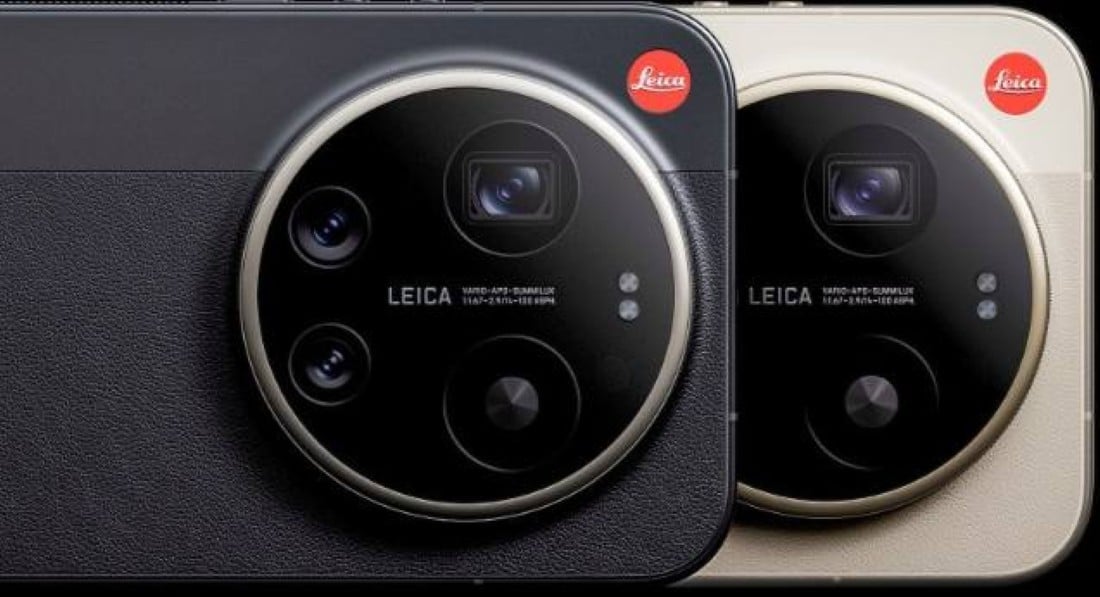
– Modo Leica Authentic: preserves the naturalness of lights and shadows, ensuring a classic and realistic look.
– Modo Leica Vibrant: adjusts saturation and brightness to create more vivid and impactful images on social media.
– Filtros Artísticos: Preset options for specific scenarios, such as night photography and portraits.
Operating system unification strategy
The decision to release Leica features across the entire portfolio reflects the maturity of HyperOS as a unified platform. By standardizing the camera software layer, Xiaomi can optimize development and ensure that innovations created for flagships can be adapted and distributed to millions of devices quickly. Essa shared architecture eliminates old barriers that rigidly separated product categories, strengthening brand identity in all market niches.
The movement also responds to growing consumer demand for higher photographic quality at affordable price points. With computational photography taking a central role in final image quality, software has become as important as physical sensors. The availability of the Leica algorithms for models in the Redmi Note series and the Poco line demonstrates that the company is committed to intelligent post-processing to differentiate its products from the competition, raising the visual standard of the entire ecosystem.
Technical details of available tools
The new features work directly into the native camera app, without the need for complex installations or third-party apps. The Leica’s color science works during image signal processing (ISP), interpreting the information captured by the sensor and applying specific tone and contrast curves. Isso means that, even with smaller sensors or less bright lenses, the software can emulate the “Leica look”, characterized by deep blacks and refined highlight management.
In addition to the main color modes, the update introduces optimized scene filters. Opções and “Sunset Glow” are calibrated to bring out the orange and gold tones of sunsets without blowing out bright areas, while the “Clear Essas tools offer immediate creative control, allowing the user to preview the final result on screen before even releasing the shutter.
The user interface has also received subtle tweaks to accommodate the new functions. Specific Ícones indicate which color profile is active, and switching between “Vibrant” and “Authentic” modes can be done with a single tap on the preview screen. Essa simplicity of use is essential to ensure that professional functions are enjoyed by the general public, who often prefer automatic mode.
Scope and update process
Extended compatibility is the highlight of this update. Xiaomi confirmed that there will be no distinction based on the processor or age of the device, as long as it is running a compatible version of HyperOS. Isso covers an extensive list of devices, ensuring that recent releases and popular models from years past receive the same software treatment.
The installation process takes place gradually and transparently. Users must check availability through the system application updater or through the manufacturer’s official app store. Recomenda- Keep your device connected to a stable Wi-Fi network and have sufficient battery power to avoid interruptions during the download and installation of camera resource packs.
Impact on the mobile photography market
The democratization of premium technologies changes the dynamics of the mid-range smartphone market. Historicamente, partnerships with traditional photography brands, such as Leica, Zeiss or Hasselblad, served only as a selling point for devices that cost thousands of reais. By breaking this paradigm, Xiaomi puts pressure on other manufacturers to improve their image processing algorithms across all price ranges.
Experts point out that this strategy makes the user loyal to the ecosystem. By noticing a tangible improvement in the quality of photos without having to change devices, consumers tend to value the brand’s software support. Mobile photography, driven by artificial intelligence and strategic partnerships, is consolidated as the main battleground for product differentiation in today’s mobile technology industry.



