
Xiaomi expands Leica camera features to all devices with HyperOS system in new update


A wide range of users in the Android ecosystem have just gained access to professional photography tools that were previously restricted to elite models. The Chinese technology giant has begun global distribution of a software package that integrates renowned color science and filters from German brand Leica into devices operating with the HyperOS interface. The measure breaks the exclusivity that kept these features only on high-end smartphones, democratizing image quality for owners of mid-range and entry-level devices, including the popular subsidiaries Redmi and Poco.
This strategic update aims to unify the visual identity of photographs captured across the brand’s portfolio, raising the quality standard regardless of the hardware price. By releasing image processing co-developed with German engineers, the manufacturer seeks to deliver a more consistent user experience, allowing millions of consumers to explore advanced visual aesthetics without the need to invest in the company’s most expensive models.
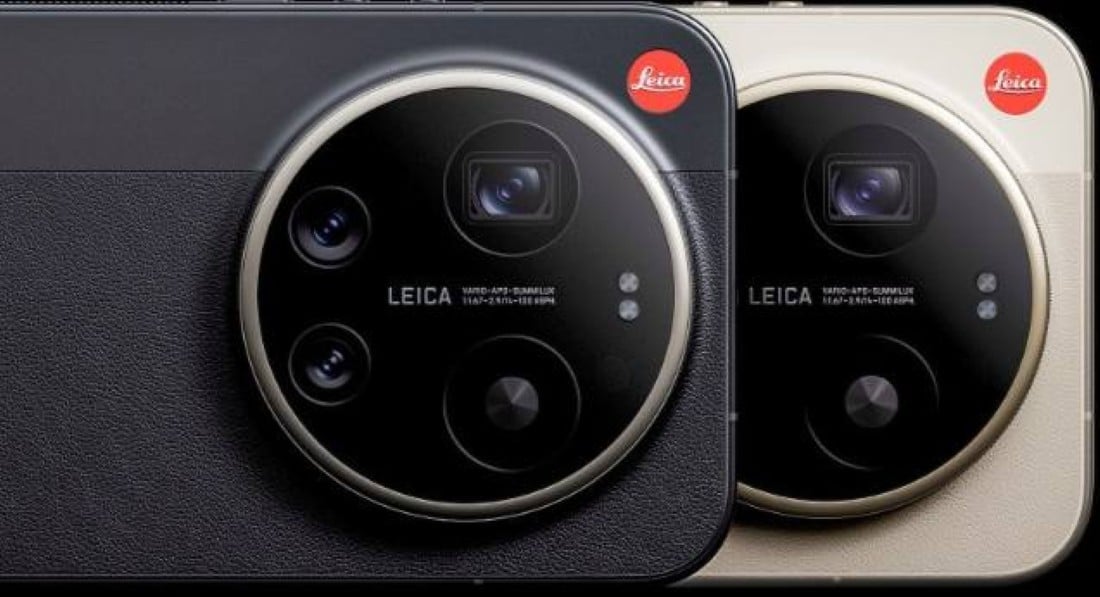
Technical details of visual integration
The industrial collaboration between the two companies goes beyond the simple use of logos, involving deep engineering work in image signal processing. The central goal is to replicate the classic visual signature of rangefinder cameras on mobile devices, focusing on realistic textures and precise light management. With the new update, the camera’s native software now offers real-time processing options that change the perception of depth and color of scenes.
Users will immediately notice the presence of two main operating modes that define the capture style:
– Leica Authentic:Focado in preserving reality, this profile maintains the original contrast of the scene and avoids artificial saturation, making it ideal for documentary photography and portraits that require fidelity of skin tones.
– Leica Vibrant:Desenvolvido To create images with high visual impact, this mode dynamically adjusts brightness and saturation to deliver social media-ready photos, highlighting colors in landscapes and modern architecture.
In addition to the main profiles, the software package introduces specific artistic filters that simulate classic lenses. Opções as the high-contrast black and white filter and adjustments for night scenes allow photography enthusiasts to apply a cinematic aesthetic with just a touch of the screen, previewing the final result before even releasing the shutter.
Installation and compatibility procedures
The distribution of new features occurs gradually through the HyperOS “Over The Air” (OTA) update system. The operating system has been programmed to automatically notify users as soon as the package is available for the device’s specific serial number. Integration occurs directly in the native camera application, eliminating the need for the user to download external tools or complex manual configurations.
To ensure a safe and seamless transition during firmware installation, it is recommended to follow some basic security protocols:
– Manter the device connected to a stable Wi-Fi network to avoid excessive consumption of mobile data.
– Assegurar that the battery is charged more than 50% or connected to the charger during the process.
– Realizar a preventive backup of important photos and documents, although the update does not delete user data.
Although an exhaustive list of all models has not been published, the implementation logic covers the majority of devices capable of running HyperOS. Isso includes everything from the main numerical series to models focused on cost-benefit, such as the Redmi Note line and the high-performance devices of the Poco F and X series. The software adaptation has been optimized to ensure that image processing does not compromise the fluidity of the system on hardware with more modest specifications.
Ecosystem valorization strategy
The decision to release premium features to the expanded user base reflects a shift in the perception of value within the smartphone market. Rather than limiting software innovations to the luxury segment, the strategy strengthens brand loyalty by delivering continuous improvements that extend the lifespan and relevance of mid-range devices. Computational photography has become a decisive differentiator when purchasing electronics, and the association with a historic optical brand serves as a seal of quality that now benefits a much wider audience.
The move also sets the stage for future integrations between hardware and software. By standardizing image processing algorithms across price points, developers are able to collect more comprehensive data to improve the artificial intelligence responsible for focus, exposure, and white balance in challenging lighting conditions. Para the end consumer, the practical result is a camera that becomes more intelligent and capable over time, transforming the smartphone into a powerful creative tool.
Keywords: Xiaomi, Leica, HyperOS, Câmera, Atualização.
Long-tail keywords: new leica filters for xiaomi hyperos, how to update xiaomi leica camera, hyperos redmi and poco photography features.
Sources researched:
https://www.mi.com/global/hyperos
https://leica-camera.com/en-int/leica-xiaomi-partnership
https://www.gsmarena.com/xiaomi_hyperos_update_leica_features-news.php



