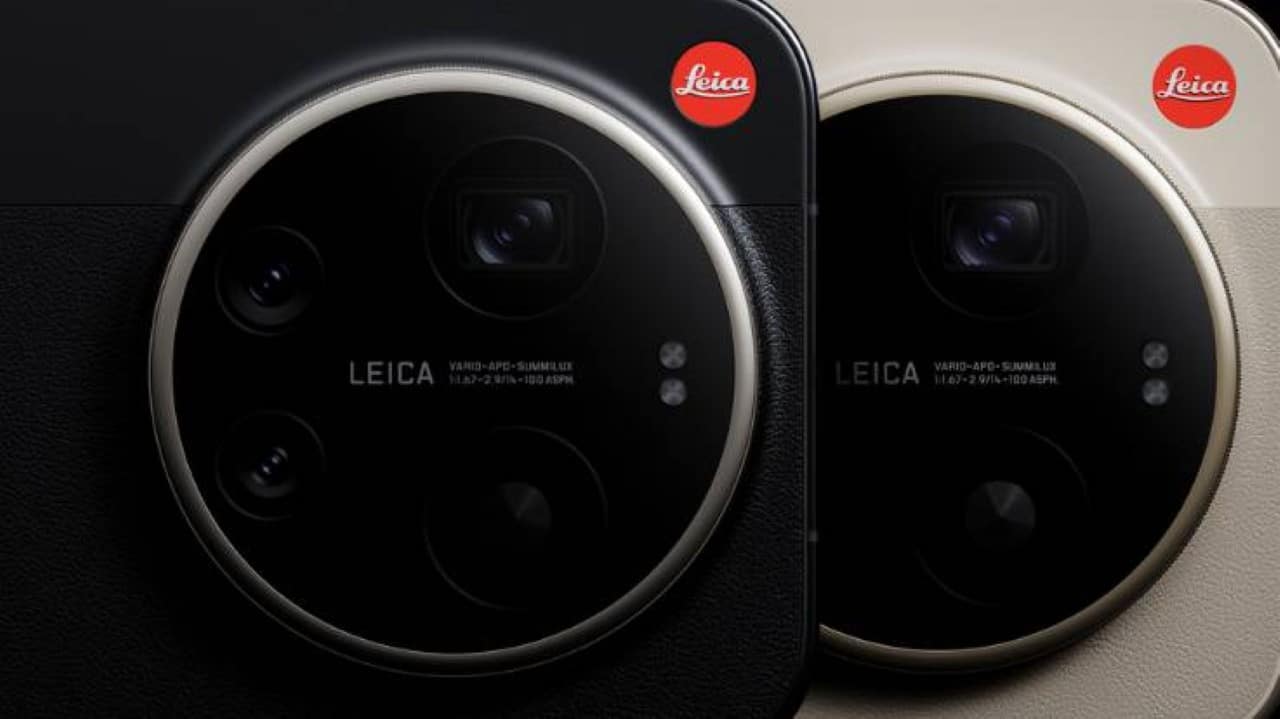
The Chinese manufacturer has just made available a new compilation of its operating system aimed specifically at the most demanding photography and video users. The version of HyperOS, identified by the code 3.0.44.0.WPCCNXM, arrives to refine the user experience on the most robust models of the brand’s current generation of smartphones. The main focus of this package is the introduction of professional tools that bring mobile devices closer to dedicated cameras.
Owners of the Pro and Pro Max models, which are part of the acclaimed 17 series, are the main beneficiaries of the changes to the image capture software. The update prioritizes flexibility in content creation, allowing manual adjustments that were previously unavailable in the standard interface. The firmware distribution has already started in the Chinese market and brings important corrections for image processing.

This move reinforces the company’s strategy of keeping its top-of-the-line products competitive through continuous software support, months after the official launch. The partnership with Leica continues to be a central pillar, ensuring that new features respect the color calibration and visual aesthetics that have become the line’s signature. The update not only adds features, but optimizes the sensors’ overall performance.
Among the improvements, the ability to deal with complex lighting scenarios and the introduction of new recording formats stand out. The company seeks to serve both the casual user, who wants better selfies, and the content creator who needs video files with greater dynamic range for later editing. The changes to the camera system are profound and alter the way the hardware is used.
New professional video features
One of the big additions in this update is support for LOFIC recording mode on the Pro and Pro Max devices. Essa technology, essential for preventing the loss of details in highly lit areas, can now be activated manually by the user. The feature even works at high resolutions, supporting 4K captures at 60 frames per second, ensuring fluidity and quality.
For videographers seeking a cinematic aesthetic, the update has expanded LUT options for videos recorded in LOG format. Essas color correction tables allow for a more faithful and vibrant preview during filming, facilitating post-production work. The tool makes the workflow more professional directly on the cell phone screen.
Additionally, the dual view function has been implemented to allow simultaneous recording with the rear and front cameras. Esse feature is particularly useful for vlogs and news reports, where it is necessary to show the environment and the presenter’s reaction at the same time, eliminating the need for complex external equipment.
Expanded Rear Screen Utility
The secondary screen, a distinctive feature of the Pro and Pro Max models, gained a new practical use with the update. Agora, the rear panel can function as a full-frame viewfinder, allowing users to utilize the main camera array to take the highest quality selfies possible. The feature offers a real-time preview of the frame.
This functionality solves an old problem for those who produce content alone, ensuring accurate compositions without depending on the front camera, which generally has smaller sensors. The integration of the rear display with the main camera system demonstrates how software can unlock the potential of these devices’ unique hardware.
Smart optimizations and interface
The camera’s artificial intelligence system has also received significant improvements with the introduction of Cartão from Cena Inteligente. Este mode automatically adjusts exposure and color parameters for specific, challenging situations, such as strobe light shows or fireworks. The functionality, which debuted on the Ultra model, now becomes more accessible within the line.
The camera app interface has undergone a redesign to offer greater freedom of customization. Users can now organize the toolbar and menus according to their usage preferences, making access to the most used functions much more agile and intuitive.
Another interesting new feature is the Dynamic Photo feature, which allows you to capture moving photos while recording a video. Isso creates files similar to “Live Photos”, adding an extra layer of versatility for those who want to capture spontaneous moments without interrupting the main footage.
Check out the summary of the main implementations of this version below:
– Ativação LOFIC mode manual for 4K videos at 60fps.
– Recurso dual vision for simultaneous camera recording.
– Novos LUTs for video monitoring in LOG format.
– Uso of the rear screen as a full viewfinder for high-resolution selfies.
– Automatic Otimização of complex scenes via AI.
– Personalização total camera layout and menus.
– Captura of dynamic photos when recording videos.
Global availability and market context
While the Pro and Pro Max models remain exclusive to the Chinese market, mainly due to the production complexity of the rear screen, the global version of the standard Xiaomi 17 is preparing to reach new markets. The base model offers a robust alternative, retaining the advanced image processing but without the secondary screen hardware.
The Xiaomi 17 Ultra model, considered the absolute top of the family, has a confirmed global launch and should reach regions such as the The geographic segmentation strategy allows the company to test specific innovations at China before possible expansion.
For enthusiasts who import Chinese devices, it is important to note that features such as notifications on the rear screen are still in beta and the absence of an official global ROM may limit support and warranty. However, the frequency of updates like this demonstrates the brand’s commitment to refining the product throughout its useful life.
SEO keywords: Xiaomi 17 Pro, HyperOS update, Leica cameras, LOG recording, mobile technology.
