
Xiaomi update releases exclusive Leica filters for mid-range cell phones with HyperOS system


Xiaomi smartphone users, including owners of models from the Redmi and Poco lines, are starting to receive a significant improvement in their image capture systems. The Chinese manufacturer has started distributing an update package for the HyperOS interface that democratizes access to advanced photographic features, previously restricted to the brand’s high-end devices. The measure aims to bring the visual signature of Leica, the legendary German optical company, to a massive consumer base around the world.
The strategic change alters the positioning of several devices in the market, adding value to mid-range cell phones without the need to change hardware. At the moment, features such as the “Leica Authentic” and “Leica Vibrant” color profiles were exclusive differentiators of premium models, serving as a selling point for the more expensive products in the portfolio. With the release via software, the company seeks to unify the visual experience and image processing quality across its entire mobile ecosystem.
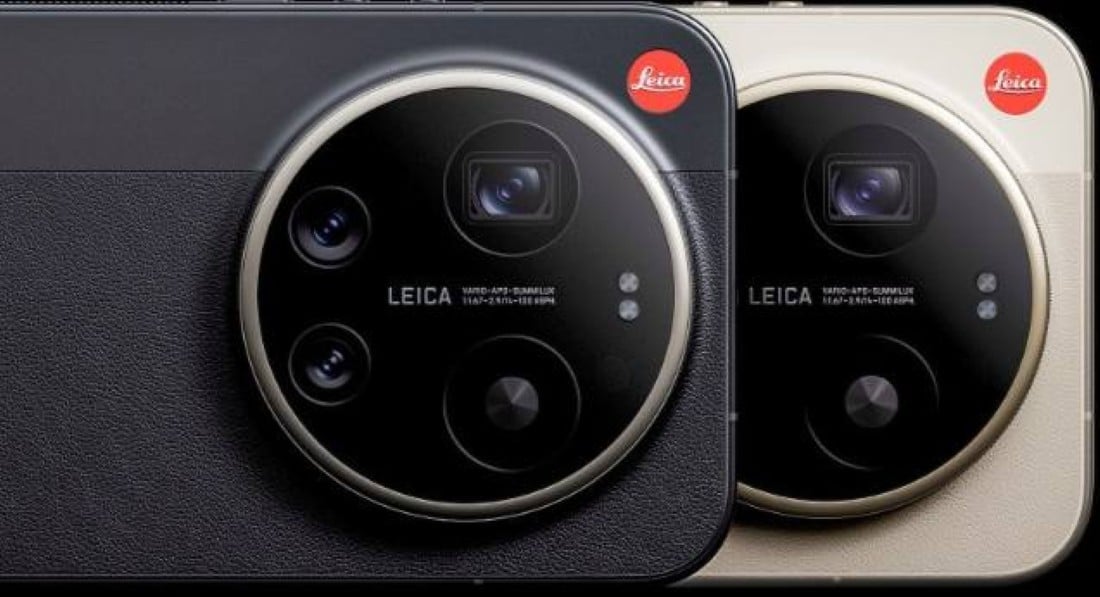
The update process occurs gradually and automatically through the company’s servers. Compatible devices will identify the new data package, which integrates tools directly into the native camera app. Não It is necessary to download third-party applications or perform complex manual installation procedures (sideloading), ensuring the security and stability of the operating system during the transition.
This initiative reflects an industry movement to focus on optimizing software and artificial intelligence to improve photography, overcoming the physical limitations of smaller sensors found in more affordable devices. By applying the color science of the Leica in post-processing, the Xiaomi promises to deliver results with greater dynamic range, noise reduction and a professional aesthetic, even in photos captured with modest specification lenses.
Details of the new photo modes
The main new feature of the update lies in the introduction of two distinct image profiles that change the way the cell phone processes light and colors. The “Leica Authentic” mode was developed to preserve the naturalness of the scene, maintaining strong contrasts and avoiding the excessive saturation that is common in cell phone cameras. Este profile is ideal for documentary and portrait photography, where fidelity to skin tones and the original atmosphere of the environment are priorities.
In contrast, the “Leica Vibrant” profile offers a more modern and dynamic approach, automatically adjusting brightness and saturation to create social media-ready images. The collaboration between the two companies’ engineering teams resulted in an algorithm that enhances blue skies and vegetation without making the image artificial, balancing vibrant aesthetics with German technical precision.
In addition to the main profiles, the update releases a collection of artistic filters that simulate classic films and historical lenses. Opções like high-contrast black and white filters and modes specifically for night photography allow users to explore creativity. The camera app interface has been tweaked to allow quick switching between these modes, with real-time preview on screen before shooting.
Ecosystem impact and compatibility
The expansion of Leica resources to the Redmi and Poco sub-brands strengthens Xiaomi’s competitiveness in the intermediate segment, which is the most voluminous in global sales. Consumidores that opt for models focused on cost-benefit or raw performance, such as those in the Poco F and X line, now gain a photographic refinement that was generally absent in these categories. Isso reduces the perceived quality distance between an entry-level cell phone and a flagship cell phone in ideal lighting conditions.
While the full list of models was not individually detailed in a single advisory, the general rule applies to devices that support the latest version of HyperOS. The system architecture was designed to be modular, allowing high-level functionality to be ported to less powerful processors, as long as there is compatibility with the chips’ camera drivers and neural processing units (NPU).
Procedures for verification and installation
To access the news, users must keep their devices connected and regularly check the availability of new packages. The standard path involves going to system settings, selecting the “About phone” option, and tapping the HyperOS version to check for updates. It is recommended that the download be performed via the Wi-Fi network due to the size of the files, which may contain other security and performance optimizations in addition to camera improvements.
Installation requires that the battery is charged at more than 50% to prevent accidental shutdowns that could corrupt the system. Após after restarting the device, a brief tutorial may be displayed when opening the camera for the first time, introducing the new icons and the location of the Leica style selectors in the user interface.
If the update still does not appear, it is important to remember that the distribution is done in regional batches to avoid overloading the servers and allow for quick correction of any bugs. The expectation is that the majority of eligible devices will receive the features over the next few weeks, completing the renewal cycle of the brand’s camera interface.
Mobile technology experts point out that this update could extend the useful life of devices launched in the last two years. By receiving software features that modernize image capture, the user feels less need to change devices just to get a better camera, which aligns with sustainability and conscious consumption trends in the electronics market.
The future of partnership and software development
The consolidation of the partnership between Xiaomi and Leica through software signals a future where hardware will be just one part of the photographic equation. Computational processing capacity and image processing algorithms take center stage, allowing the “signature” of a luxury brand to be digitally replicated on millions of devices. Este move sets a new standard for the market, pressuring competitors to also invest in optical partnerships and software solutions that benefit not just buyers of ultra-premium models, but the entire user base.



