
6-year-old boy turns his grandmother’s chickens into a source of income and continues his studies at a private school

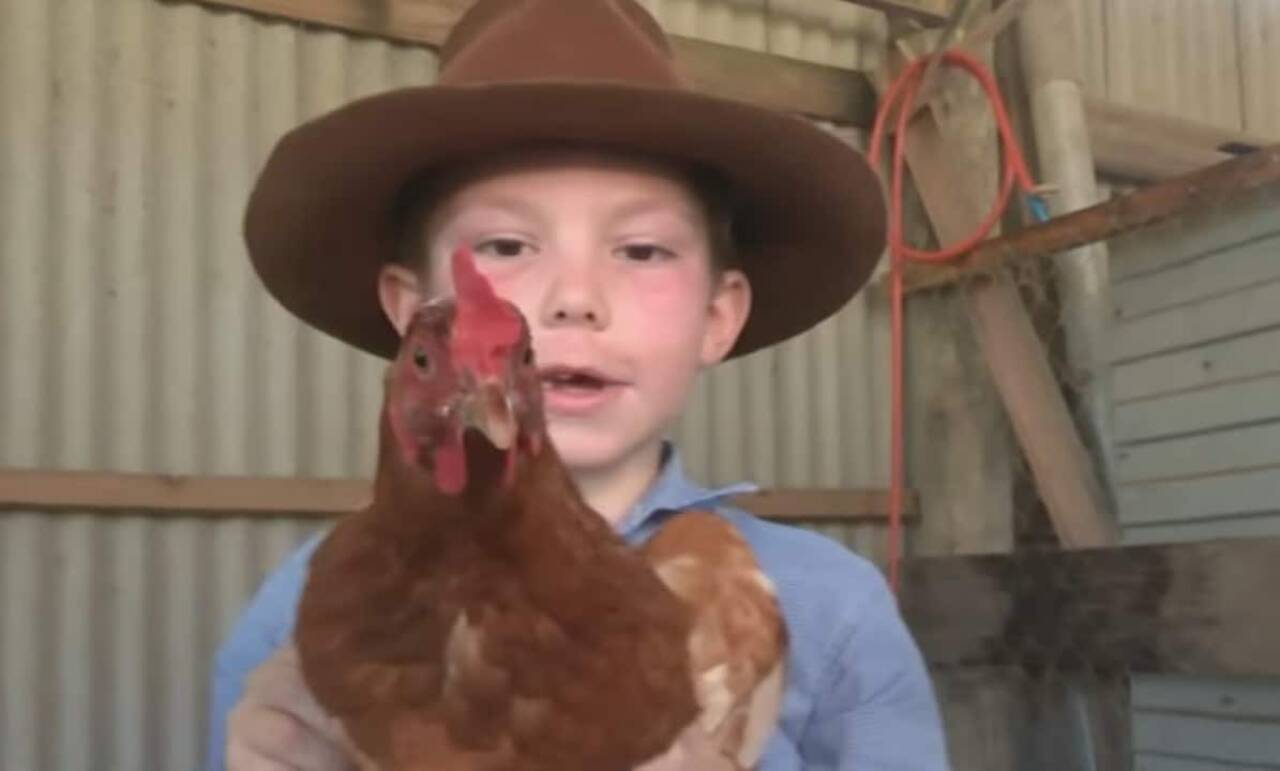
José Pedro Pereira, aged 6, resident in the neighborhood Arraial of Ouro, in The activity generated enough income to cover the costs of re-enrolling at the private school where he studies. The initiative emerged in February 2026, when the family faced budget restrictions that put the boy’s stay at his current institution at risk.
The boy took on daily responsibilities for raising birds and selling eggs, gaining regular customers in the neighborhood. The brand “Zé dos Ovos” identifies the products, packaged in dozens with personalized labels. The routine combines chicken care and deliveries, maintaining a balance with school activities.
The family supported the idea, which came from José Pedro himself when he realized the financial impact on continuing his studies. The grandmother provided the first chickens, and the number of birds increased as demand grew.
Origin of the family initiative
Financial difficulties arose at the beginning of 2026, affecting school re-enrollment planning. José Pedro proposed raising chickens as a practical solution to generate additional income. The family accepted the suggestion and provided the necessary initial support.
Grandmother Tereza of Santos, aged 81, donated the first birds and follows the routine in the backyard. The mother, Vamila of Santos Pereira, helps organize sales and contact customers. Essa intergenerational collaboration structured the small business.
Daily routine in production
José Pedro collects eggs twice a day, in the morning and afternoon, ensuring freshness in the products. Ele separates eggs by size and quality before packing them in plastic boxes.
The brand “Zé dos Ovos” appears on labels with a photo of the boy, highlighting the organic origin. Deliveries are made directly to customers in the neighborhood, many of whom are repeat customers.
- Feeding the chickens with balanced feed;
- Regular cleaning of the chicken coop;
- Monitoring bird health;
- Simple recording of daily production.
These tasks require discipline and are carried out before or after school hours.
Sales growth in the neighborhood
The first customers were neighbors and family, who approved the quality of the free-range eggs. Demand gradually increased, expanding the reach to other streets from Arraial to Ouro.
Buyer loyalty results from on-time delivery and personalized service by José Pedro. Parte of the income covers school expenses, while the remainder helps with the household budget.
Role of family support
Tereza dos Santos brings experience in raising birds, guiding her grandson in daily practices. Vamila of Santos Pereira manages logistical aspects, such as transporting products when necessary.
The involvement of adults reinforces the sustainability of the business without taking away the boy’s autonomy. Essa family dynamics transform the activity into a stable source of supplementary income.
Interaction between generations strengthens bonds and transmits practical knowledge about work and responsibility. The project evolved from an initial idea to a consolidated operation in a few weeks.
Organization and packaging of products
The eggs undergo rigorous selection, discarding damaged or irregular units. Dozens receive transparent packaging with labels printed at home.
Identification as “Eggs Orgânicos” values production without the use of pesticides or antibiotics. Clientes receive orders at home or collect at the agreed location.
This attention to detail contributes to the preference of local buyers. The professional presentation differentiates the product in relation to industrial options.
Visibility on social media
Publications about José Pedro’s routine reached thousands of views on digital platforms. The profile dedicated to the business quickly surpassed a thousand followers.
Videos show the boy feeding chickens and packing eggs, highlighting the authenticity of the operation. The exhibition increased the interest of residents of nearby areas in Gaspar.
The online presence attracted new orders without changing the artisanal scale of production. The family controls growth to maintain quality and balance with studies.
Balance between school and work
José Pedro attends classes regularly and performs business tasks in his free time. The income obtained fully covered the 2026 re-enrollment.
The boy demonstrates understanding of the relationship between daily effort and concrete results. Professores and colleagues follow the story, which serves as an example of dedication.
Practical experience complements formal learning at the private school. The activity does not interfere with academic performance, according to family reports.
Controlled expansion perspective
The family is evaluating a gradual increase in the number of chickens as management capacity allows. Novos delivery points are under analysis in the municipality of Gaspar.
Production remains focused on free-range eggs, prioritizing quality over volume. Investimentos in chicken coop structure improves breeding conditions.
The business maintains a family and local character, with no plans for industrialization. Current demand meets financial needs without burdening the boy.
Raising free-range chickens is a common activity in regions such as Vale and Itajaí, where small properties supplement income. José Pedro follows the example of local producers who value traditional methods. The initiative demonstrates the viability of small-scale enterprises in the current context.



