
Bruce Willis gave up millions to fulfill his dream of acting with Paul Newman in the 94 classic

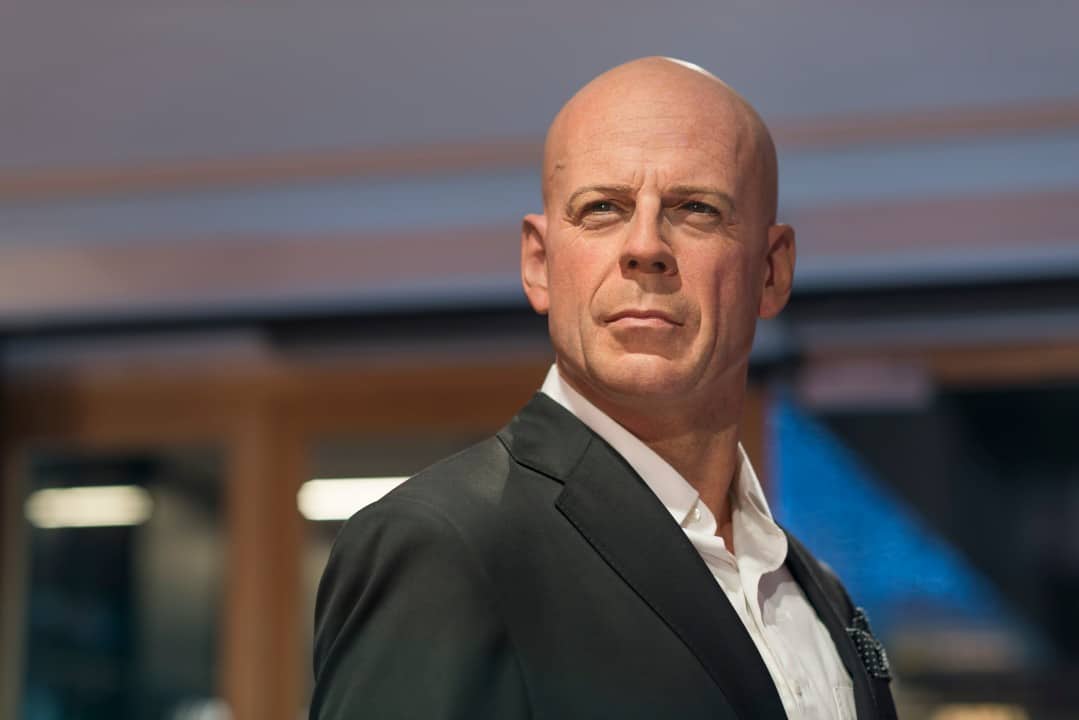
During the height of his career in the 1990s, Bruce Willis made a decision that surprised the film industry and redefined his artistic trajectory by prioritizing the opportunity to work with one of his idols over a million-dollar salary. Conhecido worldwide for explosive action franchises that guaranteed astronomical box office returns, the actor opted for a different path by accepting a role in the drama “O Indomável” (Nobody’s carry out at any cost.
At that time, Willis’s standard fee was around $15 million per film, a figure that reflected his status as one of Hollywood’s biggest stars. However, to guarantee his participation in the production directed by Robert Benton, he agreed to receive the minimum wage required by the actors’ union, which at the time was approximately 1,400 dollars per week. Essa drastic reduction in earnings demonstrated a commitment to the art of acting that many critics did not associate with the protagonist of “Duro de Matar”, revealing a more serious and dedicated side to his work.
Behind the scenes of a historic negotiation
The choice of Bruce Willis was seen as one of the most daring maneuvers by an actor of his caliber, defying the commercial logic that prevailed in the studios at the time. By accepting a symbolic payment compared to his usual earnings, he enabled the production of a more modestly budgeted film, focused on character development and dialogue rather than special effects. The film, budgeted at around $20 million, depended on this flexibility to maintain its stellar cast and ensure the integrity of the director’s vision.
The strategic move allowed Willis to momentarily escape the invincible action hero stereotype, placing him in an environment where subtlety and vulnerability were required. The production not only saved millions in salaries, but also gained significant media clout by announcing that one of the biggest stars in the world was on the project out of pure passion for the script and cast. The overall financial result of the film, which raised around 39 million dollars in the Estados Unidos alone, proved that the bet on the drama and the combined talent of the actors was right.
For director Robert Benton, having Willis in the cast under these conditions was an unexpected asset that elevated the production’s status even before its premiere. The actor’s presence attracted an audience that might not have been interested in an introspective family drama, expanding the reach of the work. Além Furthermore, Willis’s willingness to work for the “love of the art” generated an atmosphere of mutual respect on the film set, where the focus remained entirely on the quality of the performances.
Chemistry between generations of stars
The interaction between Paul Newman, then 70 years old, and Bruce Willis resulted in a dynamic that specialized critics widely praised after the film’s release. Newman, who played Sully, an elderly man dealing with late responsibilities, found in Willis a scene partner capable of keeping up with his rhythm and improvisation. The relationship between the characters reflected a tension and affection that seemed to transcend the script, the result of the genuine admiration that Willis had for the veteran.
Production reports indicate that the two actors spent long periods talking and exchanging experiences during recording breaks, creating a bond that strengthened the veracity of their joint scenes. Willis, often seen as an unreachable figure due to his fame, adopted an apprentice’s stance towards Newman, absorbing the nuances of acting from someone who had already achieved everything in the industry. Essa professional humility was crucial to the film’s tone, which required restrained and realistic performances.
The film benefited immensely from this collaboration, delivering moments of subtle humor and poignant drama that proved memorable. Critics at the time highlighted that Willis did not try to overshadow the protagonist, but rather served the story, delivering a supporting performance that perfectly complemented Newman’s work. Essa’s generosity on stage was one of the highlights of the production and solidified Willis’s reputation as a versatile actor.
Fundamental elements of success
The production of “O Indomável” brought together several factors that contributed to the film becoming a cult classic and an example of narrative excellence. The adaptation of the novel by Richard Russo brought a literary depth that was rarely seen in commercial films of that period. The combination of a solid script and Benton’s sensitive direction created the perfect environment for the cast to shine.
- Paul Newman’s magnetic presence in one of his last great leading roles.
- The versatility of Bruce Willis, proving its dramatic capacity outside of the action genre.
- The direction needs Robert Benton, who prioritized the human narrative.
- The adapted script maintained the acidic humor and melancholy of the original book.
- The natural chemistry and mutual respect between the protagonists.
Career impact and legacy
Bruce Willis’s financial sacrifice proved to be an invaluable investment in his long-term artistic credibility. The film received two nominations for Oscar, including Melhor Ator for Paul Newman and Melhor Roteiro Adaptado, consolidating itself as a prestigious work. Para Willis, the positive reviews served as validation that he could move between genres with ease, opening the door for future roles in acclaimed films such as “Pulp Fiction” and “The Sexto Sentido”.
The industry closely watched Willis’s movement, which inspired other actors in major franchises to pursue smaller, more artistically significant projects, even if it meant taking pay cuts. The attitude demonstrated that, in addition to box office numbers, an actor’s legacy is also built by the quality of the works and the partnerships he chooses to cultivate. The collaboration with Newman remained one of the highlights of his personal filmography.
Decades later, the story of how Willis gave up millions to work with his hero continues to be cited as an example of passion for cinema. “Indomável” remains a visual testimony of this meeting of generations, preserving the memory of two icons in a moment of pure artistic harmony. The 1994 decision showed that, sometimes, realizing a professional dream is worth much more than any million-dollar paycheck.



