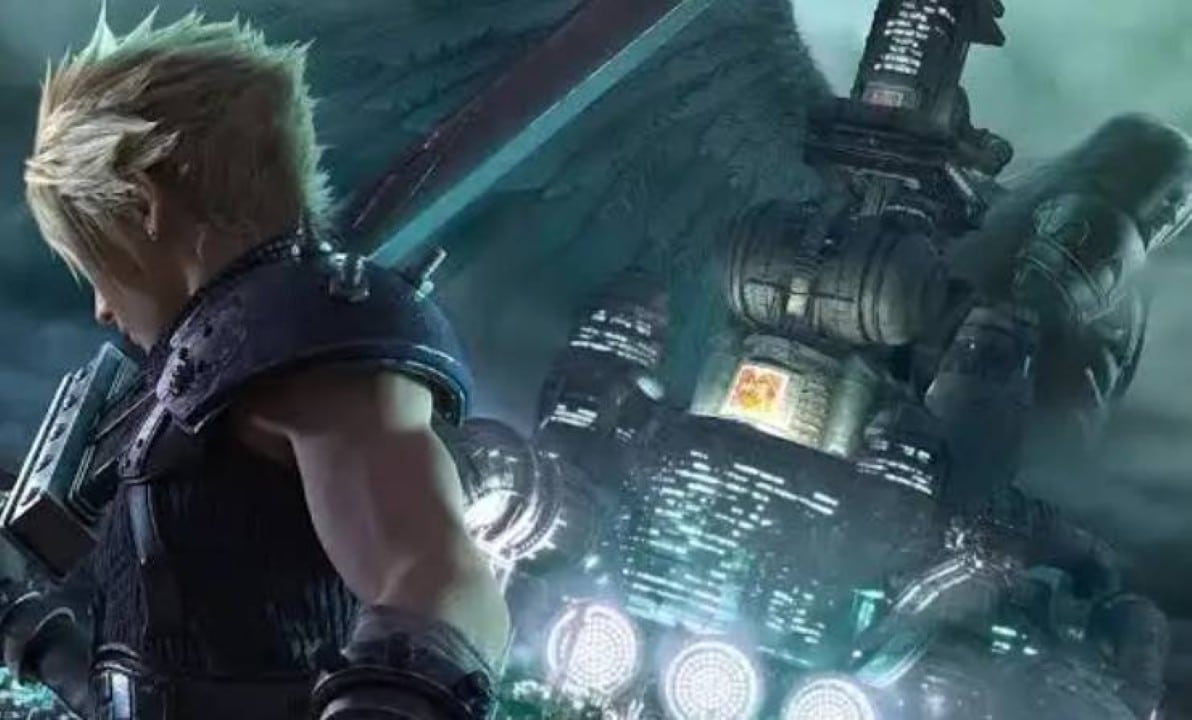
Development of the final part of Final Fantasy 7 gains pace to celebrate 30 years of the franchise


Square Enix has intensified production processes for the third and final part of the Cloud Strife saga, with the clear objective of aligning the release with the three-decade anniversary of the original title. The main script for the work has already been completely completed, allowing the team to move on to the voice recording and motion capture stages, signaling that the pre-production phase has been successfully completed.
Strategy for the historic milestone
Setting 2027 as the launch window is not just a technical goal, but a marketing decision calculated to coincide with the historic date of January 31st. The original game, released in 1997, revolutionized the market with three-dimensional graphics, and the developer plans for the conclusion of this trilogy to serve as the definitive tribute to the franchise’s legacy.
To ensure the desired impact, the company seeks to synchronize the end of the journey with the brand’s global celebrations. The established schedule allows us to honor the fan base that has followed the series since the first Sony console, in addition to using the historic milestone to boost press coverage and close the development cycle with a technologically refined experience.
Optimization and new scenarios
The workflow for this final chapter directly benefits from the solid foundations established in Final Fantasy 7 Rebirth. By reusing already validated combat systems and visual assets, the veteran-led team is able to dedicate more time to polishing and creating new content, maintaining a parallel production structure that was essential to avoid long gaps between releases.
The expectation is to explore iconic locations that have not yet been visited in this modern reinterpretation. Ambientes complexes, such as the northern crater and the sunken city of Mideel, require considerable technical effort to achieve the visual fidelity expected by players on the current generation of consoles, promising to further expand the game world.
Settings about the graphics engine
Behind the scenes, the choice of technology that will drive the outcome of the adventure remains a central point of attention. Embora there is the possibility of migrating to newer rendering and lighting tools, maintaining the current graphics engine appears to be the safest choice to guarantee visual consistency between the three games and avoid unwanted delays.
Following the pattern of its predecessors, the title should initially arrive as an exclusive to the PlayStation ecosystem. Esta strategy aims to associate the power of the hardware with the grandeur of the game, with a likely later release for computers, aligning with Square Enix’s commercial guidelines of expanding its presence in the multiplatform market after the exclusivity period.