
Experts refute viral video made by AI that links the use of Bluetooth headphones to Alzheimer’s


A wave of misinformation has taken over social media recently, alleging that wireless audio devices are responsible for serious neurological damage. The content, widely shared across multiple platforms, uses an alarmist narrative to suggest that wireless technology could break the blood-brain barrier and induce neurodegenerative diseases. However, health authorities and technology experts confirm that this is fake news, manufactured with the help of digital manipulation tools.
The dissemination of this type of content generates unnecessary concern among consumers, who use these accessories daily for work, leisure and communication. Technical analysis of the viral material revealed serious inconsistencies, pointing to a synthetic montage created to generate engagement through fear. The scientific community reiterates that there is no evidence linking the normal use of these devices to any type of dementia.
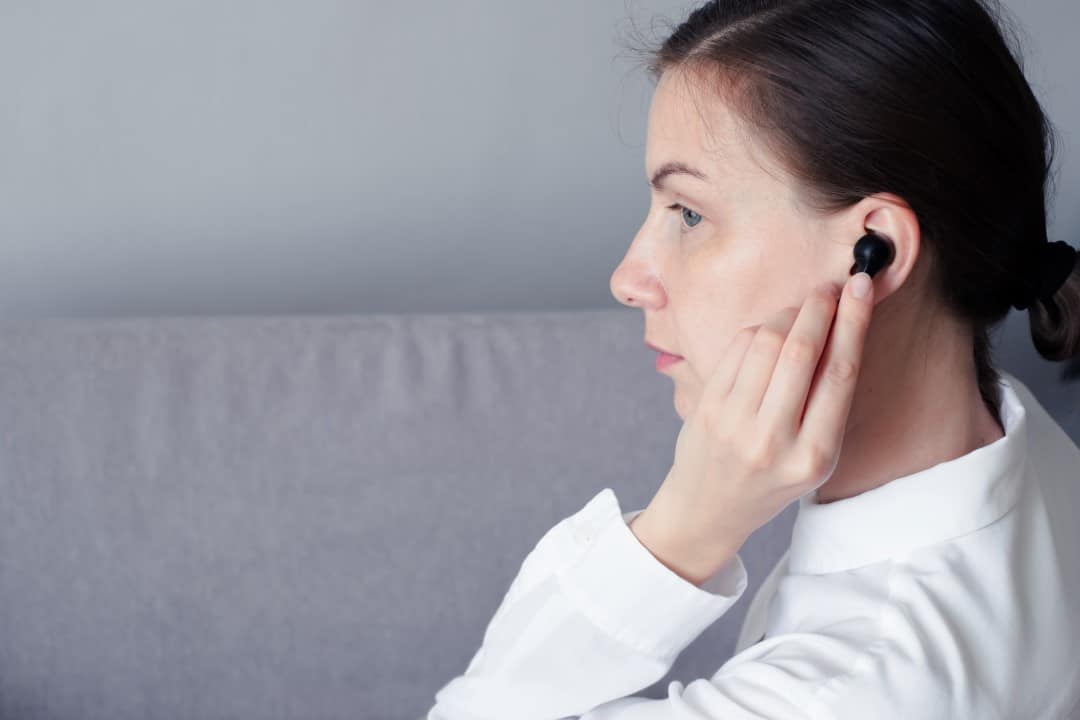
Combating this rumor requires a clear understanding of how the technology works and what the real risk factors for brain health are. By demystifying unfounded allegations, it is possible to reassure the population and reinforce the importance of seeking reliable sources of medical and scientific information.
Identification of manipulation by artificial intelligence
The origin of the controversy lies in a video circulating on the internet, where supposed experts made serious warnings about the risks of headphones. Contudo, digital forensic analyzes carried out by deepfake detection tools indicated a greater than 95% probability that the content was generated or altered by artificial intelligence. The lip synchronization and voice intonation had characteristic audio synthesis flaws, highlighting the fraud.
These AI tools, when used in bad faith, can create convincing narratives for the lay public, simulating the image of renowned doctors or scientists. The goal of these content creators is usually to monetize the panic, attracting millions of views in a short space of time. The video in question used pseudoscientific terminologies to give an appearance of credibility to claims that are not supported in current medical literature.
Information security experts warn that the sophistication of deepfakes requires increased attention from users. Verificar the original source, searching for the CVs of the supposed experts mentioned and cross-checking the information with verified news portals are essential steps to avoid falling into digital traps that exploit the fear of serious illnesses.
The physics behind radio frequency waves
To understand why the claim is false, it is critical to understand the nature of the radiation emitted by Bluetooth devices. Esses devices operate at a low-energy radio wave frequency, specifically in the 2.4 GHz band.
Unlike ionizing radiation, such as X-rays or intense ultraviolet light, radiofrequency waves used in consumer electronics do not have the ability to cause direct cellular mutations. The transmission power of a wireless headset is extremely low, often lower than that of a cell phone or Wi-Fi router, operating within very conservative safety margins.
Studies carried out over the last few decades on exposure to low-frequency electromagnetic fields have not found biological mechanisms that could lead to the destruction of the blood-brain barrier at everyday exposure levels. Basic physics contradicts the theory that these small devices could “cook” the brain or disrupt vital biological tissue.
Real risk factors for Alzheimer’s
Alzheimer disease is a complex and multifactorial condition, the causes of which continue to be the subject of intense study in global medicine. The main risk factors identified to date include genetic predisposition, advanced age, sedentary lifestyle, social isolation, hypertension, diabetes and obesity. Não, in the protocols of the main neurological associations in the world, there is no mention of radiofrequency radiation as a vector for the development of the disease.
Associating the use of wireless technology with such a serious illness distracts from preventative care that actually works. Manter a balanced diet, exercising regularly, stimulating the brain with reading and continuous learning, in addition to taking care of cardiovascular health, are the consensus recommendations to reduce the risk of dementia.
Health misinformation is dangerous precisely because it can lead people to abandon healthy habits or neglect real treatments in favor of unfounded fears. Neuroscience advances in the search for treatments and early diagnoses, focusing on biomarkers and gene therapies, far from conspiracy theories involving consumer electronics.
Strict safety regulations and limits
All legally sold electronic devices undergo rigorous safety testing before hitting the shelves. Agências International and national regulators set strict limits for the Taxa of Absorção Específica (SAR), which measures the amount of radiofrequency energy absorbed by the human body. The Bluetooth headphones operate at rates well below the maximum permitted limits, guaranteeing a wide safety margin for the user.
These standards are periodically revised based on new scientific evidence. Organizações like Organização Mundial of Saúde (WHO) maintain constant monitoring of the effects of electromagnetic fields on human health. Até to date, the official position is that there is no convincing evidence that weak radio frequency signals, such as those from Bluetooth, cause adverse health effects.
Therefore, moderate and correct use of headphones, also respecting volume limits to protect hearing — which is a real and proven risk of inappropriate use — continues to be safe. Wireless technology has brought mobility and convenience, and its operation is based on decades of engineering and applied physics, supervised by competent health bodies.



