
Family sues Tesla after young man dies trapped in burning vehicle due to faulty door handles

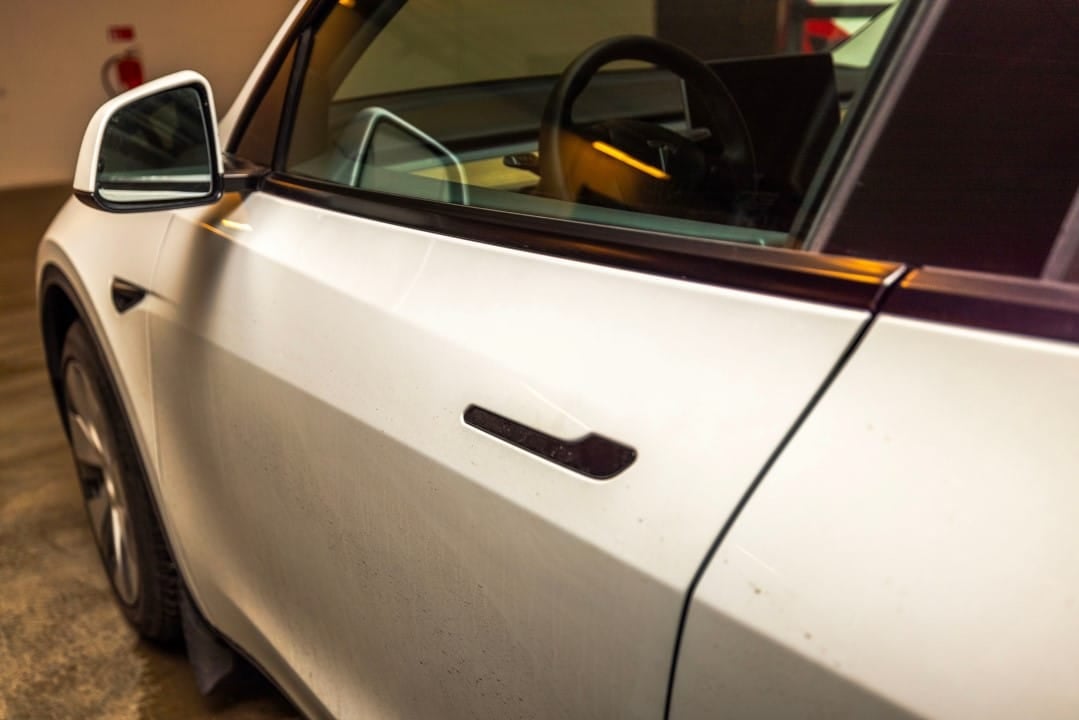
A serious accident in Massachusetts has resulted in legal action against electric vehicle manufacturer Tesla, raising new concerns about the safety mechanisms of its cars. Samuel Tremblett, aged 20, died charred inside a Model Y after colliding with a tree, leaving him unable to escape due to a failure in the electronic system of the doors, which prevented them from opening both from the inside and outside.
Details of the incident and rescue attempt
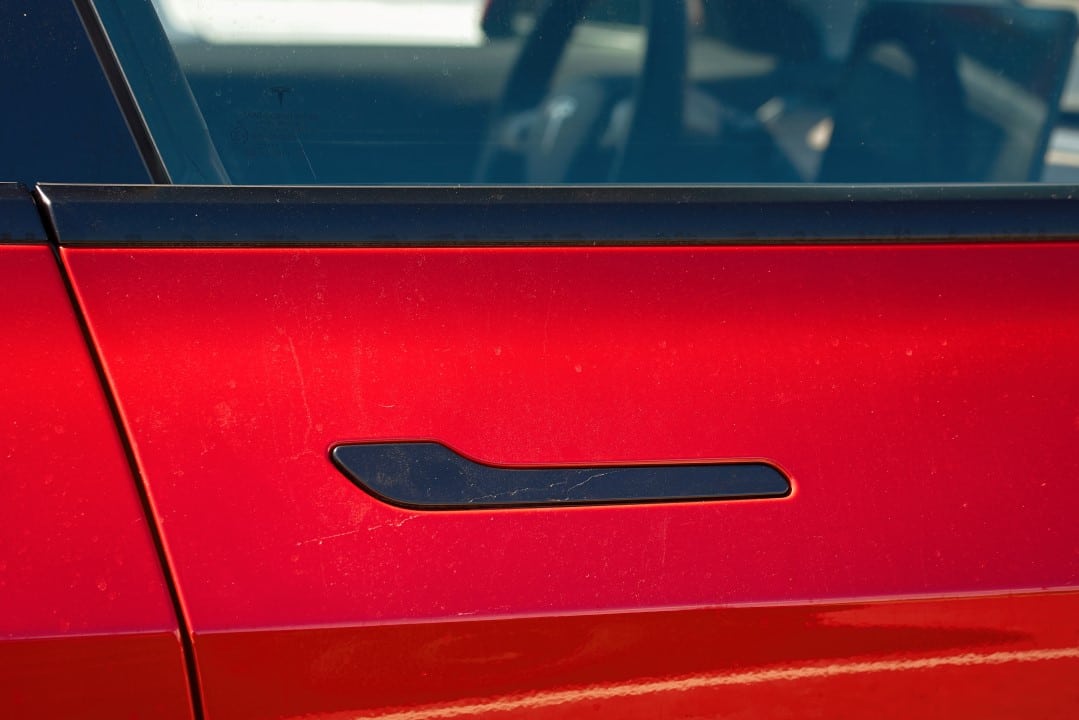
The incident occurred at Rota 138, close to the border with Raynham, when the vehicle left the road and hit a tree, starting an immediate fire in the battery. Testemunhas and police officers who arrived at the scene desperately tried to open the doors to rescue the driver, but the retractable door handles, which are flush with the bodywork for aerodynamics, did not protrude outward due to the loss of electrical energy resulting from the impact.
During his final moments, the victim managed to place a call to 911, reporting that he was conscious but trapped inside the burning car. Recordings of the call reveal the young man’s despair as smoke and heat invaded the cabin, showing that he survived the initial collision, but was victimized by the impossibility of rapid evacuation.
Teams of firefighters and rescuers faced extreme difficulties fighting the fire, a common feature in lithium-ion battery fires, which quickly reach very high temperatures. Quando the flames were finally controlled, it was no longer possible to save the driver, generating commotion in the local community and questions about the automaker’s safety protocols.
The design of the door handles in question
The lawsuit filed by the victim’s parents, Jacquelin and Samuel Tremblett, alleges that the design of Model Y’s door handles is defective and dangerous in emergency situations. The system depends entirely on electrical energy to function externally; Without it, the handles remain retracted, providing no physical surface for rescuers to pull and open the door.
Although there is an emergency manual release mechanism inside the vehicle, it is not intuitive and is located in an inconspicuous position, requiring the occupant to remove a cover on the armrest to access a lever and pull a cable. Especialistas in road safety argue that, in situations of panic, dense smoke and post-trauma disorientation, it is unrealistic to expect a driver to be able to perform this complex procedure.
Repercussion and security context
This case adds to a growing list of incidents involving electric vehicles where electronic lock technology has become a fatal obstacle. Administração Nacional of Segurança in the US (NHTSA)
Tesla maintains in its manuals that vehicles are designed with high safety standards, but the process highlights the need for redundant and easily accessible mechanical systems. The legal debate now focuses on the company’s responsibility to prioritize aesthetics and aerodynamics over practical functionality in scenarios of imminent risk to life.



