
Fiat pickup dominates January sales with ten thousand units and consolidates isolated leadership in the country

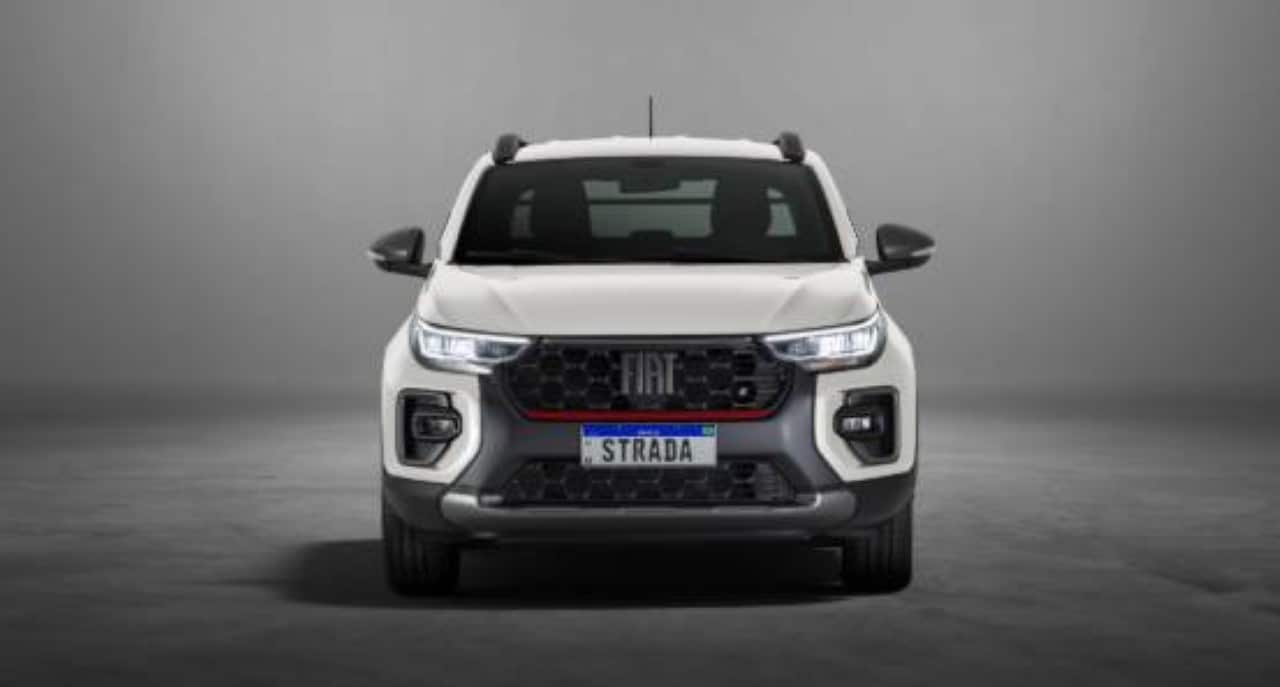
The Brazilian automotive sector started the annual calendar with positive indicators, recording an increase of approximately 4% in the volume of registrations compared to the same period in the previous cycle. In total, 162,342 cars and light commercial vehicles were sold during the month of January, an amount that signals moderate optimism for the industry in the coming months. Esse performance was driven by intense competition between automakers and strong demand in specific categories, especially in the utility vehicle and work vehicle segment.
Market leadership remained unchanged, with the Fiat compact pickup recording 10,541 units sold, a volume that far surpasses second place in the overall ranking. The model consolidated a hegemony that has lasted for five consecutive years, selling almost twice as much as the vehicle that occupies second place. Esse significant result reaffirms the national consumer’s preference for versatile vehicles, capable of meeting both logistical demands and everyday urban use.

Volkswagen performance and dispute at the top
While the Italian automaker celebrated the isolated leadership of its main product, Volkswagen demonstrated strength by positioning three of its models among the five most sold vehicles of the month. The German brand’s strategy of diversifying its portfolio, focusing on SUVs and compact hatchbacks, secured second and third positions in the overall ranking. The T-Cross led its category with 5,741 units, confirming the continued rise of sports utility vehicles in national preference, closely followed by the Polo, which totaled 5,699 registrations.
Still at the top of the table, the German automaker surprised with the performance of the recently launched Tera, which joined the group of the five best sellers with almost 5 thousand registered units. Essa rapid market acceptance highlights the assertiveness of the brand’s recent launches, which seeks to regain share in high-volume segments. The fight for the top positions reflects a scenario where technological updates and modern design are decisive factors in consumer choice.
Hegemony in the light commercial segment
The performance of the Fiat Strada in January goes beyond simple monthly leadership, representing absolute dominance in the pickup truck category and a considerable share of the total market. The more than 10 thousand units sold in just thirty days underline the success of the strategy of offering a product that directly connects with the needs of the Brazilian driver. The model’s versatility, which combines the robustness required for heavy work with the comfort and technology of a passenger car, remains the main driver of its continued success.
The Italian manufacturer maintained investments in constant updates, including new engines, equipment packages and versions that expand its audience reach. Essa approach attracts everything from fleet owners and rural producers to families looking for a vehicle for leisure. The only other model with a bed to appear among the ten best-selling was the Toyota Hilux, with 4,137 units, which maintained its solid position among medium pickup trucks, although far from the numbers achieved by the compact leader.
Advancement of sports utility vehicles and competition
The national preference for SUVs was confirmed once again by January’s data, with the segment occupying seven of the top ten positions in the sales ranking. The search for vehicles with greater ground clearance, generous interior space and a sense of security continues on an upward trend, shaping the strategies of all major automakers operating in the country. Além of the T-Cross, models such as Hyundai Creta and Jeep Compass registered important volumes, both orbiting around 4,400 units sold, fighting a fierce battle for each customer.
Another relevant highlight was the return of the Chevrolet Tracker to the group of ten best-selling vehicles, accounting for 4,532 registered units in the period. Esse result represents an important recovery for the North American brand’s compact SUV, which faced fluctuations in the previous year, and signals that the new commercial guidelines adopted have begun to have an effect. The strong presence of this category at the top of the list reflects a structural change in the market, where consumers are willing to invest in cars that offer greater versatility and status.
At the same time, the advance of Chinese automakers was consolidated as one of the most notable phenomena at the beginning of the year, registering a growth of more than 55% in sales compared to the previous cycle. Modelos electrified and hybrid vehicles with competitive prices, such as the Geely EX2 and the Omoda 5, surpassed the barrier of a thousand monthly units each, challenging traditional brands with offers focused on technology and energy efficiency. With Fiat holding around 21% market share, competition is expected to intensify further with the aggressive expansion of new Asian entrants.



