
Fold in the ear: what to do if you have Frank’s sign and what are the risks of heart problems

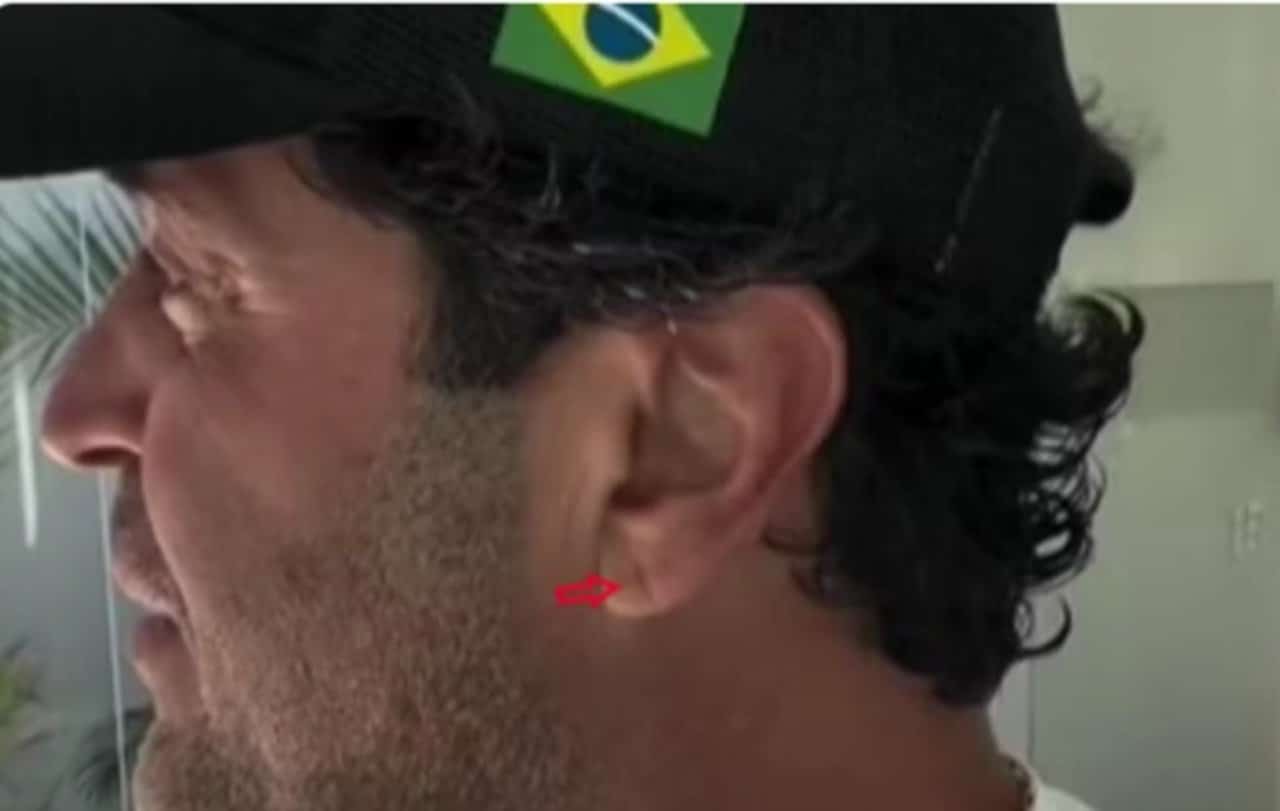
The presence of a diagonal fold in the earlobe, known as the “Frank sign”, has been the subject of studies for decades as a possible visual marker for cardiovascular risk. Este theme once again gained prominence after the recent death of businessman and influencer
The medical community emphasizes that although folding does not constitute a definitive diagnosis, it acts as a potential warning sign. Assessment by a healthcare professional is crucial to interpret the fold in conjunction with other individual risk factors, avoiding hasty conclusions.
Understanding the diagonal pleat
Cardiologist João Vicente of Silveira, of Unidade of Hipertensão of InCor of Faculdade of Conforme your explanation, many people with coronary disease do not exhibit this characteristic, and, conversely, some individuals with the sign do not manifest heart problems.
Hélio Amante Miot, professor and researcher at Unesp, adds that the identification of the diagonal fold does not mean a certainty of a cardiac event. However, its presence should be seen as an indication to increase attention to cardiovascular health, especially in younger adults or when accompanied by other known risk elements.
What is the sign of Frank
Initially described in 1973 by the American doctor Sanders Frank, the diagonal crease sign on the earlobe was associated with the premature aging of blood vessels. Essa condition is seen as a potential marker of atherosclerosis, a pathological process characterized by the accumulation of fatty plaques and cholesterol in the arteries. Tal accumulation significantly increases the risk of events such as acute myocardial infarction and cerebrovascular accident (CVA), by compromising essential blood flow to the organs.
The biological theory behind this association suggests that the earlobe is an area supplied by microarteries, and the formation of the fold may be linked to the disorganization of collagen fibers, which are fundamental to vascular elasticity. The loss of this elasticity hardens the arteries, making them more prone to blockages. Estudos, including one from Faculdade from Medicina from
Risk factors for the heart
Cardiovascular health is influenced by a series of factors that can increase the likelihood of developing heart and blood vessel diseases. Estes elements, when present, act as catalysts for the worsening of conditions such as atherosclerosis, which can lead to serious complications. Identifying and managing these risks are fundamental steps in preventing and maintaining cardiac well-being.
Among the main risk factors for heart problems, the following stand out:
- High blood pressure (hypertension), which places additional stress on the arteries.
- High blood glucose levels, often associated with diabetes, which can damage blood vessels.
- High cholesterol, directly contributing to the formation of atherosclerotic plaques.
- Smoking, a potent risk factor that impairs endothelial function and accelerates atherosclerosis.
- Obesity, which increases the burden on the heart and is linked to other risk conditions.
- Frequent and excessive use of alcoholic beverages, impacting blood pressure and general health.
- A sedentary lifestyle, reducing cardiovascular capacity and favoring the accumulation of fat.
Any individual who presents one or more of these elements, or even a diagonal crease in the lobe, should seek cardiovascular investigation, as recommended by Professor Miot. Early detection and intervention on these factors are crucial to mitigate risks and promote healthier lives.
When the Frank signal appears
The diagonal crease in the earlobe, or Frank sign, tends to appear throughout life and is generally observed on both sides of the head. Conforme explains cardiologist João Vicente of Silveira, medical concern increases considerably when this sign is noticed in younger people. Isso occurs because its appearance in early age groups may indicate an accelerated arterial aging process, which suggests that the person may not be taking the necessary care to maintain cardiovascular health.
Detection in individuals in their 30s, for example, is a strong indication that the health of the arteries may be compromised, even if other symptoms are not evident. “It is practically impossible for a 30-year-old patient to have this sign and have completely normal health. The presence of the sign in young people serves as a warning for further investigation, aiming to identify risk factors early and initiate preventive interventions, essential to avoid future complications.
Medical evaluation and recommended tests
When identifying the Frank signal, the most prudent action is to seek a medical evaluation. The healthcare professional will conduct a comprehensive clinical analysis, which will include checking your blood pressure and, if necessary, ordering a series of additional tests. The choice of exams will depend on the individual risk profile of each patient, considering their age, family history and the presence of other risk factors.
Tests commonly indicated for a cardiovascular investigation may include cholesterol and blood glucose tests, which measure blood fat and sugar levels, respectively. An electrocardiogram (ECG) can be performed to assess the heart’s electrical activity, while an echocardiogram offers a detailed look at the heart’s structure and function. In more specific or higher risk situations, the doctor may opt for an exercise test, which analyzes the behavior of the heart under physical stress, or a coronary tomography angiography, which visualizes the heart arteries. Casos suspected significant obstruction may lead to the indication of invasive tests, such as catheterization, for a more accurate diagnosis.
Approach and treatment
Once the diagnosis has been established or significant risks have been identified, treatment may involve a combination of interventions, always personalized for each patient. Mudanças in lifestyle are often the first line of defense, including adopting a balanced diet, exercising regularly, stopping smoking and moderating alcohol consumption. Essas modifications are crucial for controlling blood pressure, cholesterol and blood sugar levels, and promoting overall heart health.
In addition to lifestyle changes, the use of medications may be necessary to manage conditions such as high blood pressure, high cholesterol or diabetes. In some cases, when there are significant obstructions or imminent risk, more complex procedures may be indicated. Isso may include placement of stents to open blocked arteries, bypass surgery, or other percutaneous interventions to restore adequate blood flow. The therapeutic approach is always defined by the doctor, who considers the severity of the condition and the patient’s specific needs to optimize results and prevent future complications.
Ongoing Prevention and Awareness
The prevention of cardiovascular diseases goes beyond the treatment of already established conditions; it starts with raising awareness and adopting healthy habits from an early age. Compreender risk factors and recognizing signs like Frank allows individuals and healthcare professionals to act proactively. Education about the importance of a balanced diet, rich in fruits, vegetables and whole grains, combined with regular physical activity, is essential.
Controlling stress, ensuring quality sleep and avoiding a sedentary lifestyle are pillars for maintaining heart health. Campanhas public health agencies play a vital role in disseminating this information, encouraging regular check-ups and seeking medical advice at the slightest sign of concern. The central message is clear: the crease in the ear does not predict a heart attack in isolation, but serves as a call from the body to redouble its attention to cardiac health and act preventively on the factors that really impact cardiovascular risk. Individual responsibility, combined with access to reliable information and medical care, is the key to a future with fewer heart problems.



