
Galaxy S26 Ultra leak confirms 60W recharge and performance leap with new chip

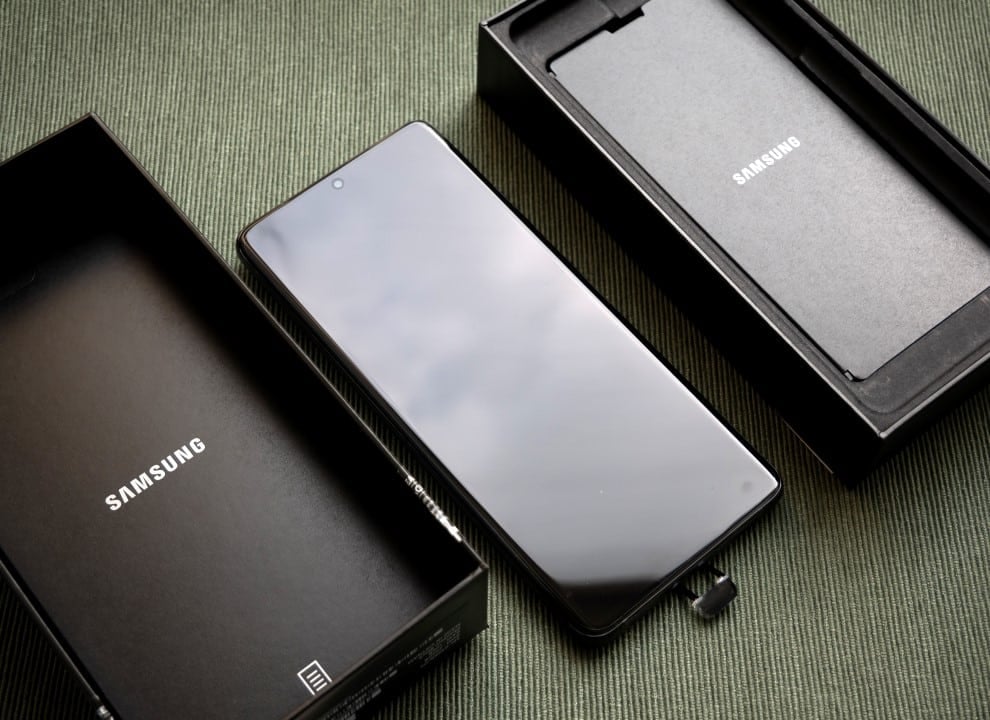
New technical information about the next top of the line Samsung has emerged on the technology market, revealing significant structural changes for the device scheduled for the first quarter of 2026. The leaked data indicates that the South Korean manufacturer plans to raise the standard of hardware specifications, distancing itself from the configurations seen in the previous generation. The main focus of the updates appears to be on energy efficiency, raw processing power and the quality of the camera system, meeting long-standing demands from the brand’s enthusiastic users.
Generational leap in processing
The heart of the new device will be the unprecedented Snapdragon 8 Elite Gen 5 chipset, a platform that promises to redefine speed limits on mobile devices. Segundo preliminary technical reports, this component is designed to operate at a maximum clock frequency of 4.61 GHz on its main cores. Essa eight-core architecture aims to not only surpass synthetic benchmarks, but to offer unparalleled fluidity in complex tasks such as high-resolution video editing and games with advanced graphics.
Galaxy S26 Ultraの噂まとめ:
– 6.9 インチ QHD+ 120Hz AMOLED ディスプレイ
– 厚さ7.9mm | Sペン
– スナップドラゴン 8 エリート第 5 世代
– 200MP + 50MP UW + 12MP (3x) + 50MP (5x) テレ
– 12MP フロント
– 5000mAh + 60W
– 25W Qi2 ワイヤレス
– IP68等級
– 1つの UI 8.5 |人造人間16号発売: 2026 年 2 月pic.twitter.com/mYALakIl9t
— シシル (@ShishirShelke1)2025 年 12 月 15 日
The integration of this new processor suggests a deep optimization between hardware and software, allowing the operating system to manage resources more intelligently. The expectation is that Samsung will use this extra capacity to boost new generative artificial intelligence capabilities directly on the device, without relying exclusively on the cloud. Além Additionally, the thermal efficiency of the chip must ensure that maximum performance is sustained for longer periods without overheating.
Expanded RAM and storage
One of the most welcome changes for those seeking productivity is the standardization of RAM memory. Diferente of past models that started with smaller capacities, the new device should hit the market with 16 GB of RAM as the base configuration. Esse increase in volatile memory is crucial for keeping multiple heavy applications open simultaneously and for supporting the growing demands of embedded AI systems.
In terms of storage, UFS 4.0 technology continues to be the bet to guarantee extremely fast data transfer rates. The most robust model in the line should offer up to 1 TB of internal space, ideal for users who capture a lot of high definition videos or store large libraries of files. Combining more RAM with speedy storage results in a device that responds instantly to any command, eliminating performance bottlenecks.
Evolution in the energy system
Autonomy and recharging time received special attention in this project, marking an important advance compared to its predecessors. The specifications point to the following improvements in the electrical system:
– The battery will maintain its 5000 mAh capacity, but with greater energy density.
– Charging via cable will jump from 45 W to 60 W, drastically reducing time spent at the socket.
– Wireless charging will be upgraded to 25W, compatible with the new magnetic Qi2 standard.
The adoption of the Qi2 standard is particularly relevant as it introduces a magnetic alignment system similar to MagSafe, ensuring that the wireless charger is always in the ideal position for maximum efficiency. Isso solves a common problem of heating and energy loss caused by poor positioning of the device on traditional charging bases.
Screen innovations and privacy
The smartphone’s display will also undergo a generational update, adopting the new M14 panel. With 6.9 inches and QHD+ resolution, the screen promises superior brightness and greater energy efficiency. However, the highlight is a hardware implementation focused on privacy: a technology that limits the viewing angle of the screen when activated, preventing people around you from viewing the displayed content, something essential for corporate use and on public transport.
Photographic refinement and design
The set of cameras will present physical changes that directly impact image quality. The main sensor will have its aperture expanded to f/1.4, a considerable improvement compared to the f/1.7 aperture of the previous model. Essa shift allows significantly more light input, resulting in cleaner night photos with less digital noise and greater detail in challenging scenarios.
The 3x optical zoom telephoto lens will also be updated, going from a 10 MP sensor to 12 MP. Embora may seem like a modest increase in numbers, the modernization of the sensor guarantees greater sharpness and better color matching with the main camera. In terms of design, the body of the device will maintain the titanium construction, but will adopt slightly more rounded corners to improve ergonomics, making it easier to handle a large device.



