
High demand for the new RAV4 causes Toyota to pause sales and the waiting list reaches mid-2026


The Japanese automotive market faces an unprecedented demand scenario following the official launch of the sixth generation of Toyota’s most popular sports utility vehicle. The volume of orders exceeded all of the automaker’s initial expectations, creating an immediate logistical bottleneck at dealerships across the country. Diante due to the impossibility of meeting delivery deadlines in the short term, the manufacturer took the strategic decision to temporarily suspend the acceptance of new orders to avoid a collapse in the distribution system.
Impact on deliveries and extended schedule
Consumers looking to purchase the new model now face a reality of forced patience, with delivery forecasts extending until mid-2026. The situation reflects not only the commercial success of the vehicle, but also the complexity of the global supply chain that still affects the production of high-tech automobiles.
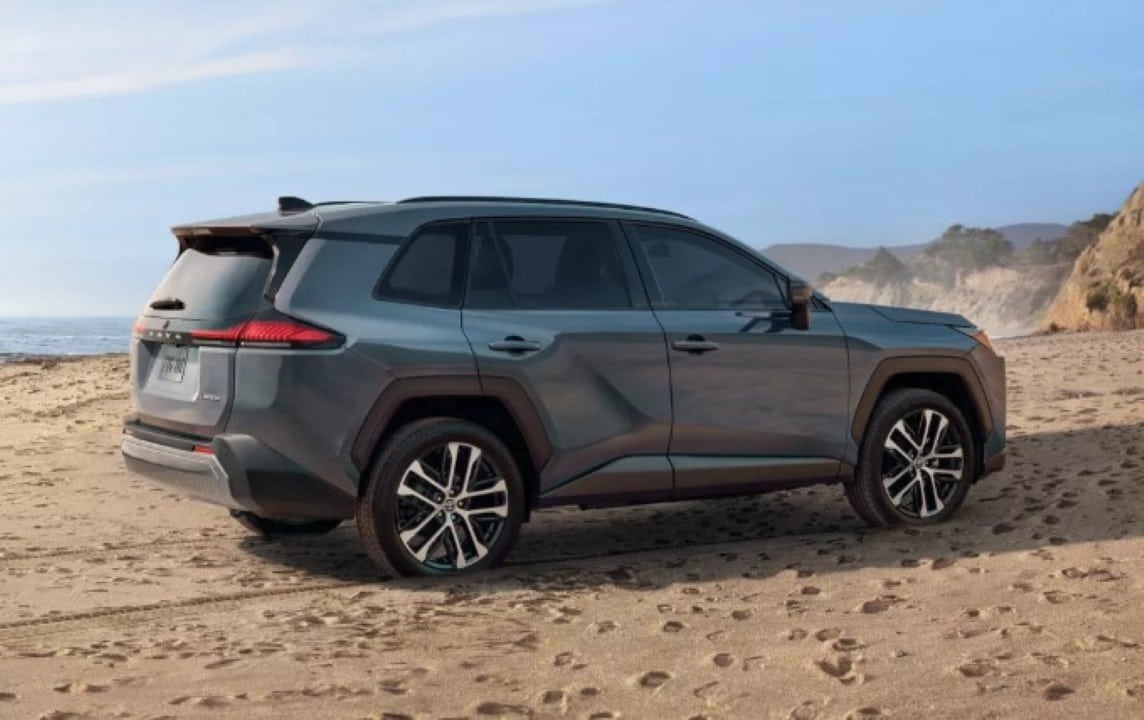
The interruption of sales is a preventive measure to ensure that customers who have already made a purchase receive their vehicles within an acceptable, albeit extended, horizon. The automaker informed that the resumption of orders will depend on the normalization of the flow of components and the ability of the assembly lines to absorb the existing backlog.
For the public, the wait is justified by the significant updates that the model received. Entre the main attractions that drove this rush to dealerships are:
– The renewed design that breaks with the aesthetics of the previous generation, offering more aggressive and modern lines.
– The implementation of the brand’s new global architecture, which promises greater torsional rigidity and safety.
– Atualizações deep into the infotainment and connectivity system, meeting demands for digitalization in the cockpit.
– The improved efficiency of the hybrid mechanical set, focused on fuel economy and low emissions.
Differentiation between versions Z and Adventure
The launch strategy divided the model into two distinct personalities, aiming to capture different consumer profiles. The “Z” version was designed with a focus on urban use and refinement, featuring premium finishes and alloy wheels with an exclusive design, attracting buyers who prioritize comfort and sophisticated aesthetics for everyday life in metropolises.
On the other hand, the “Adventure” variant seeks to bring back the off-road essence of the utility vehicle. Esta configuration focuses on a more robust look, with reinforced bumpers, a different front grille and moldings on the wheel arches that emphasize the vehicle’s ability to face rough terrain. Essa duality allowed the brand to expand the customer spectrum, directly contributing to the massive volume of bookings recorded in the first few weeks.
Supply Chain and Semiconductor Challenges
Despite the public success, production faces technical obstacles that limit manufacturing speed. Intermittent shortages of semiconductors and other essential electronic components continue to be a limiting factor for the global automotive industry. The new SUV, being a highly technological vehicle equipped with the updated Toyota Safety Sense safety package, requires a significant amount of chips for its driving assistance and energy management systems.
Dependence on these components creates a cascade effect: when supply fails, the assembly line has to slow down, which exponentially increases waiting time for the end customer. The automaker is in constant negotiations with its suppliers to try to mitigate these delays and accelerate production as soon as possible.
Evolution of the TNGA platform and motorization
The technical basis for the success of the sixth generation lies in the evolution of the TNGA platform (Toyota New Global Architecture) into the GA-K variant. Esta structure allowed engineers to lower the vehicle’s center of gravity and improve weight distribution, resulting in more stable and safer handling, both on paved roads and in adverse situations.
Under the hood, the 2.5-liter hybrid system has been recalibrated to deliver a quieter, more linear response. The combination of a high-efficiency thermal combustion engine with powerful electric motors guarantees not only performance, but also compliance with current stringent environmental standards. Além Furthermore, expectations now turn to the future plug-in hybrid version (PHEV), whose launch is scheduled to take place in a few months, promising to add even more electric autonomy to the range.



